Community
 Print
Print



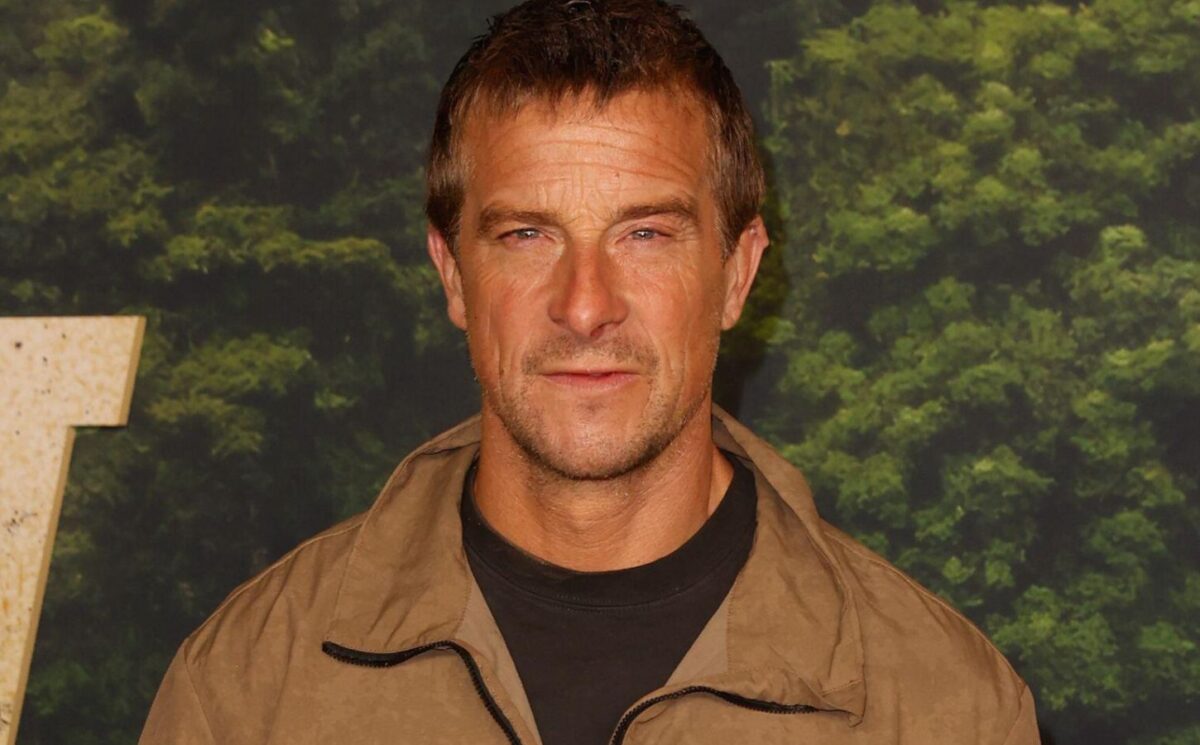
Bear Grylls has once again claimed that meat-heavy diets are healthier and better for the planet than plant-based ones. However, a nutritionist has thoroughly debunked the comments and concluded that they are “not proof” of animal foods’ superiority.
Grylls, a British adventurer and TV presenter, appeared in a recent YouTube video from Niall Kiddle, a self-styled health influencer and the founder of Organised Nutrition. Kiddle’s company produces supplements made primarily from animal derivatives, including the protein, collagen, colostrum, and organs of cows. Grylls endorses these supplements, and they physically appear in the video.
Read more: Prominent Carnivore Doctor No Longer Exclusively Eats Beef, Says Broccoli And Asparagus Are ‘OK’
Grylls has made a series of unsupported health claims in recent years, many of which have also been debunked. These include that breaking wind is the sign of an unhappy gut, and that supplements based on the ancestral diet fallacy are “nature’s best” multivitamins.
Grylls has repeatedly endorsed meat-heavy diets as optimal for health, despite a growing body of reputable, peer-reviewed scientific evidence that suggests precisely the opposite. He has previously discussed how he was vegan for some time, but then quit “for his health” after experiencing kidney pain and other health issues that he later attributed to the diet.
‘Loads of steaks, loads of eggs, loads of honey’
The new video opens with an edited monologue from Grylls on this same topic. He describes getting kidney pain after he “bought into” the idea that veganism was better for his health and better for the planet. He criticizes high oxalate foods and then describes the positive health effects his son experienced after eating “loads of steaks, loads of eggs, loads of honey.”
After adopting a similar, meat-heavy diet himself, Grylls claims that his kidneys and skin immediately “started to clear up,” and he became stronger again, which he credits to animal foods.
Later in the video, Grylls’ comments on vegan diets are shown in more detail. He describes experiencing deteriorating sleep and feeling “skinny and weak” while eating vegan. He says that he drank a lot of raw veg smoothies and then experienced kidney stones and kidney pain.
Nutritionist debunks the latest dietary advice from Bear Grylls
Plant Based News (PBN) reached out to Kathleen Benson, CSSD, CPT, a Registered Dietitian and nutritionist at VNutrition, for more information about Grylls’ experiences.
Firstly, Benson highlighted that “oxalates are real.” While for most “healthy individuals,” they do not cause problems, people who are susceptible to kidney stones may find that consuming excessive amounts of high-oxalate foods – such as broccoli and spinach -may increase risk. This is also particularly likely when consuming raw and blended, as Grylls did.
“While high oxalate intake could potentially be an issue if excessively high, it is not a general issue with well-planned plant-based diets,” explained Benson. “Remember, too much water can be unhealthy. Many factors, including hydration, genetics, and overall diet quality, likely contributed to his overall health decline. A poorly planned vegan diet lacking sufficient calories, protein, or key nutrients (like B12) can lead to weakness and poor health.”
Benson told PBN that switching from a restrictive, low-energy diet reliant on blended raw smoothies to a protein-rich one with ample carbohydrates “would provide a significant and noticeable increase in strength, satiety, and energy.” However, she explained that this is not a benefit “unique to meat,” but simply a result of consuming adequate calories and nutrients.
In the video, Grylls also notes that he previously believed meat was “just saturated fat.” According to Benson, the scientific consensus is now that dietary saturated fat is “less of a singular villain than previously thought.” However, she told PBN that large, long-term studies still “consistently link high intakes of red and processed meats to increased risks for cardiovascular disease, colon cancer, and all-cause mortality,” so moderation is crucial.
Read more: How Media Trends Are Rewriting Public Health – And What You Can Do About It
Bear Grylls’ experiences are ‘not proof of the animal-based diet’s unique superiority’
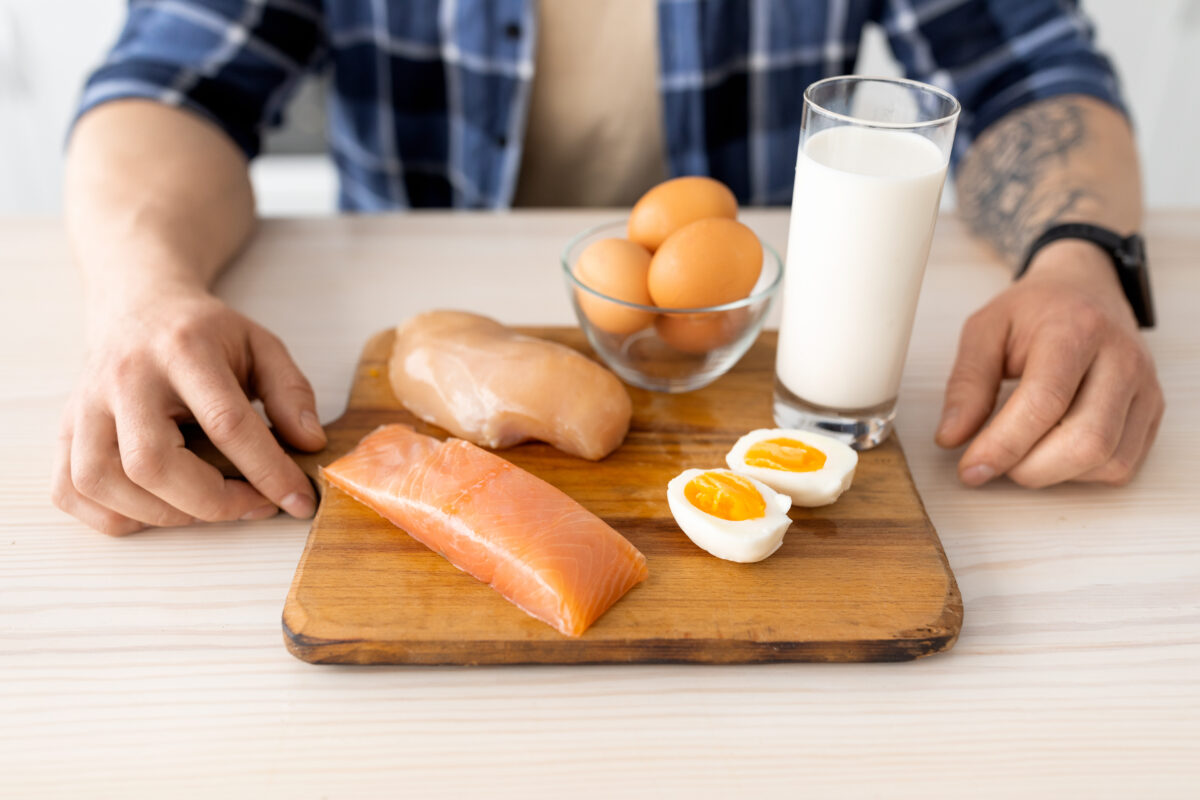
Benson noted that animal products like meat and organ meat, in particular, are “excellent sources of highly bioavailable nutrients.” For someone like Grylls, who was likely deficient in nutrients such as vitamin B12, iron, zinc, and choline on his previous, perhaps poorly planned diet, supplementing them would likely explain the improvement in his energy levels.
“The transformation Bear Grylls experienced was not proof of the animal-based diet’s unique superiority, but rather a classic example of recovering from a nutrient-deficient diet,” said Benson. “Any well-planned, nutritionally complete eating pattern (like the Mediterranean diet) that provides adequate protein, calories, and essential micronutrients could have produced a similar, profound improvement in his health and energy by simply replenishing what was missing.”
In addition to his inaccurate comments on health and nutrition, Benson called out several additional fallacies and myths referenced by Grylls and Kiddle in the video.
These include: the mention of a raw milk smoothie, which carries an “avoidable risk of serious infections” with “no proven” health benefits; reference to the “nature knows best fallacy,” also known as the “appeal to nature fallacy,” which is extremely popular amongst profit-driven influencers but does not “negate the extensive research on how modern food production and consumption patterns affect long-term health;” and the suggestion that people should avoid “toxic” sunscreen, a widely-debunked fallacy also perpetuated online.
“You can choose simpler formulations if you’re cautious, but blanket statements like ‘sunscreen is toxic’ are not evidence-based and harmful,” added Benson.
Read more: Nutritionist Says ‘High-Protein’ Labels Are Just ‘Another Health Halo’
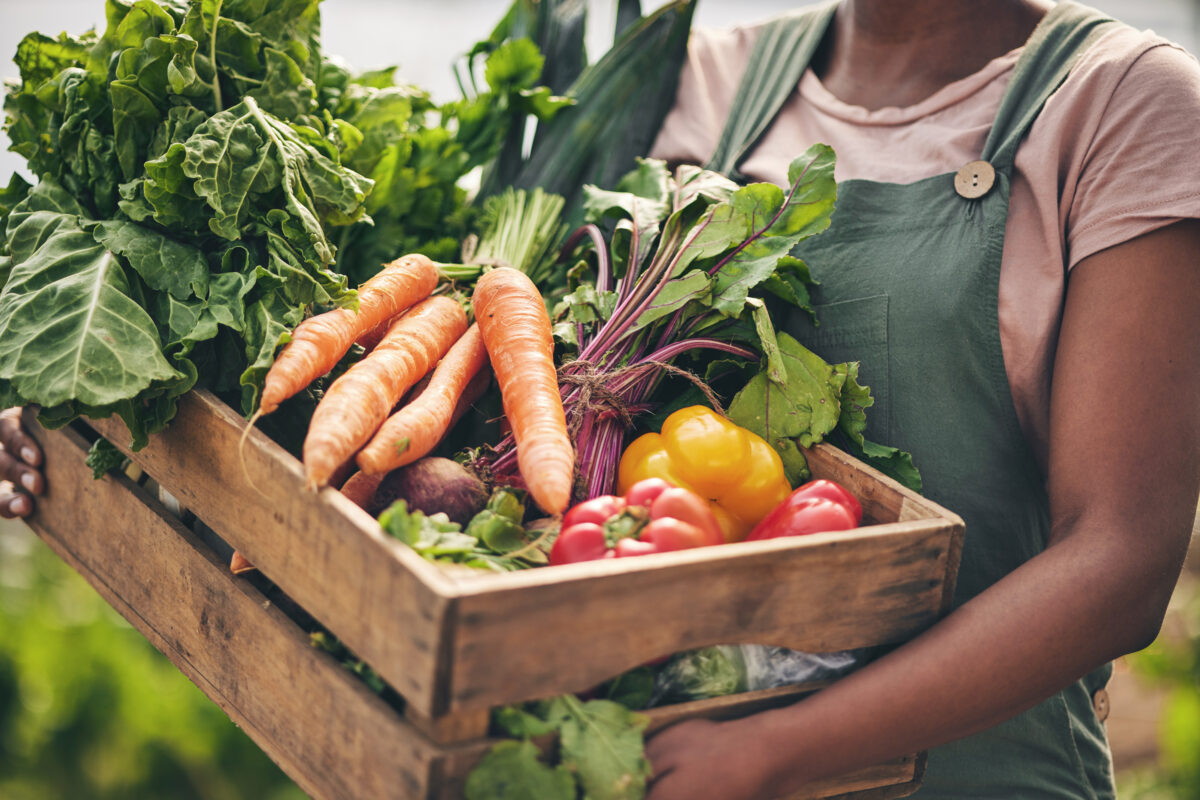
Plant-based diets offer ‘a powerful path to protect animals, tackle climate change, and promote food security’
Along with his comments about veganism and meat in relation to health, Grylls also takes aim at the environmental impact of plant-based diets in the video, and says, “Now, I understand, actually, that veganism is probably one of the worst things you can do for the environment.”
This idea also runs contrary to most of the reputable scientific evidence currently available.
For example, while plant-based options can undoubtedly have a significant footprint – particularly options that feature resource-heavy production or high food miles – those environmental impacts are typically either representative of issues with the food system in general, or insignificant when compared to the enormous impact of meat and dairy.
Animal farming is the world’s biggest cause of food waste. It’s responsible for worsening biodiversity loss, skyrocketing national emissions budgets, pollution, and the exceeding of four out of nine key planetary boundaries that maintain a habitable planet.
Plant-based meat, on the other hand, has an 89 percent smaller environmental impact compared to traditional animal products, and is both healthier and better for the planet. A spokesperson from Compassion in World Farming (CIFW) told PBN:
“We welcome the growing conversation around food, health, and sustainability. While everyone’s dietary journey is personal, as set out in the latest EAT Lancet report, a well-balanced, predominantly plant-based diet can benefit people and the planet. The EAT Lancet report highlights the health benefits of increased consumption of whole grains, fruits, vegetables, legumes, and nuts, and less red and processed meat. Reducing meat consumption, especially from factory farms, and supporting regenerative farming offers a powerful path to protect animals, tackle climate change, and promote food security.”
Read more: Doctor Debunks RFK Jr’s Claims About The Dietary Guidelines