Community
 Print
Print



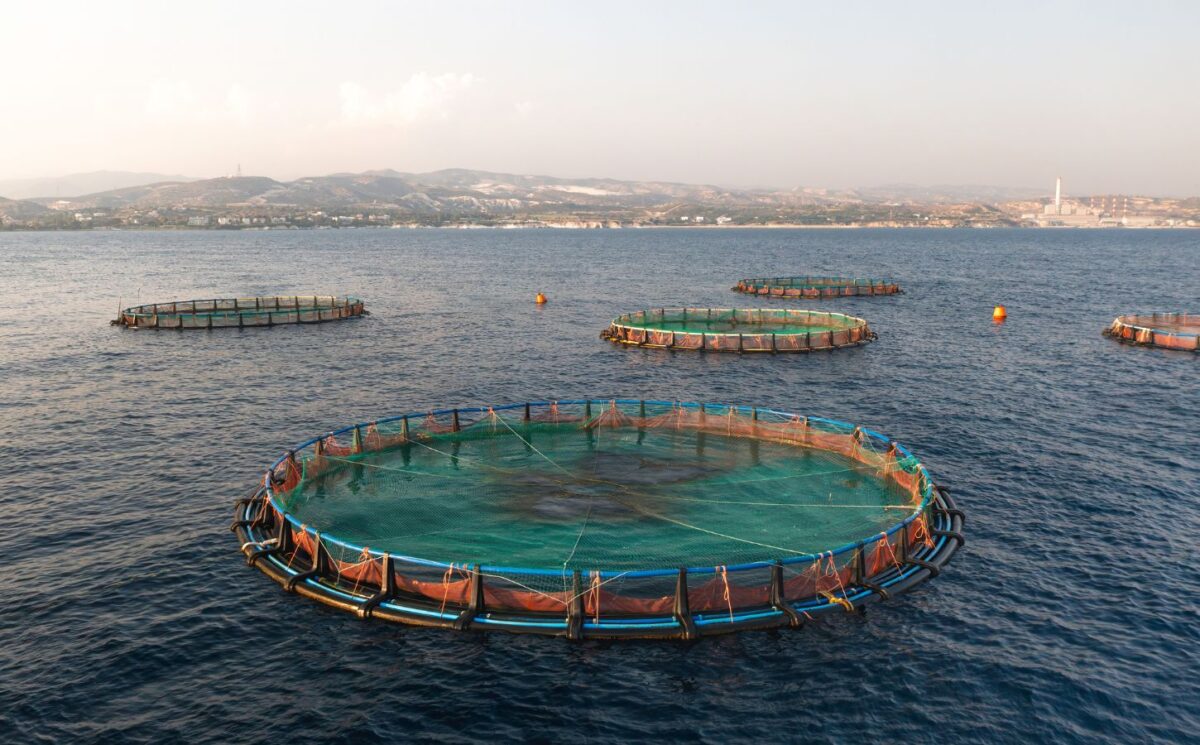
US President Donald Trump has continued to push for what some are calling the “chickenification” of aquaculture.
By removing and watering down the sector’s existing regulations, the US government aims to usher in a new era of mass-produced American seafood, free from much of its pre-existing animal welfare and environmentally-focused red tape.
However, it is already abundantly clear that industrialized poultry farming is far from an ideal template for ethical, sustainable, and healthy food production.
Coinciding with the government’s latest push for increased domestic aquaculture and fishing, a new exposé by Animal Outlook has exposed significant alleged animal cruelty and environmental policy violations at a major salmon hatchery in Maine.
The exposé highlights the many risks of an industrialized model that prioritizes volume and profits above all else, and shows how the rapid growth of aquaculture is leading to negative outcomes comparable to those from chicken farming.
Read more: New Film Highlights The ‘Hidden Human Cost’ Of The Meat Industry
Trump and the ‘chickenification’ of fish farming
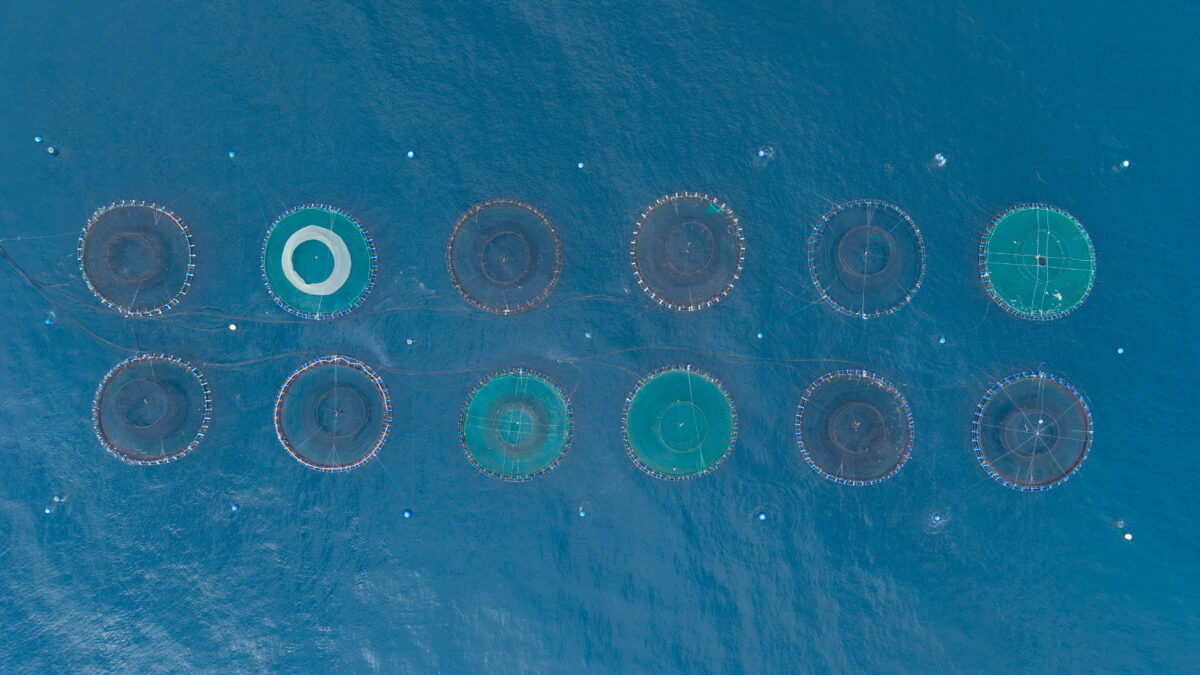
Trump has been pushing to expand industrial fish farming in the US since his first term as president. In 2020, he signed an executive order titled “Promoting American Seafood Competitiveness and Economic Growth. He instructed federal agencies to fast-track permits for fish farms and to identify new “Aquaculture Opportunity Areas.”
Since he returned to office in 2025, Trump has doubled down on his plans for US aquaculture and fishing. In April, he signed an executive order titled “Restoring American Seafood Competitiveness,” which aimed to weaken the regulations that, ostensibly, kept aquaculture, fishing, and seafood processing in check.
Trump then signed another executive order, “Unleashing American Commercial Fishing in the Pacific,” which opened up the Pacific Islands Heritage Marine National Monument – previously the largest of its kind – to commercial fishing.
Trump’s administration has also backed the creation of expanded offshore fish farming zones in the Gulf of Mexico and Alaska.
In April of this year, the US government launched the USDA Office of Seafood, which it said will play “an important role” in promoting an “America First Seafood Strategy.”
According to the USDA, approximately 80 percent of the seafood on US shelves is currently imported, and Trump has framed large-scale aquaculture, which is effectively factory farming but for aquatic life, as a way to boost food production.
Why is chickenification a bad thing?
Critics have described Trump’s deregulation of the fishing industry as a move towards its “chickenification,” whereby aquatic animals will be raised in dense environments that maximize efficiency at the cost of welfare and environmental sustainability, just like the majority of chickens are raised in the poultry industry.
Industrialized chicken farming is one of the most intensive forms of factory farming in the world. Broiler chickens, in particular, grow extraordinarily fast and are slaughtered less than seven weeks after they are hatched. (In the wild, chickens can live for up to seven years.) Broilers are housed in cramped indoor cages and buildings with minimal space per bird, even compared to other factory farming systems.
Modern chickens are often genetically uniform, which makes standardisation easier but birth defects and disease more likely. As fast-growing breeds get sick more often, they require more antibiotics, and the factory farming industry endangers human lives through both the risk of zoonotic diseases and antibiotic resistance.
Fast-growing birds make up roughly 90 percent of the 1.2 billion chickens farmed for meat every year in the UK. In the US, up to 99 percent of the 9.5 billion broilers farmed per year are fast-growing birds, commonly referred to as “frankenchickens.”
There is growing pushback against the factory farming of these sickly, fast-growing birds, for a combination of welfare, environmental, and human health reasons. Simultaneously, as aquaculture grows and becomes more like industrialized chicken farming, the industry has become synonymous with lice, diseases, “inhumane” conditions, mass die-offs, and often, shocking animal cruelty.
Read more: Frankenchickens: Major Fast-Food Brands Scrap Animal Welfare Pledge, Including Nando’s And KFC
The Cooke Aquaculture exposé
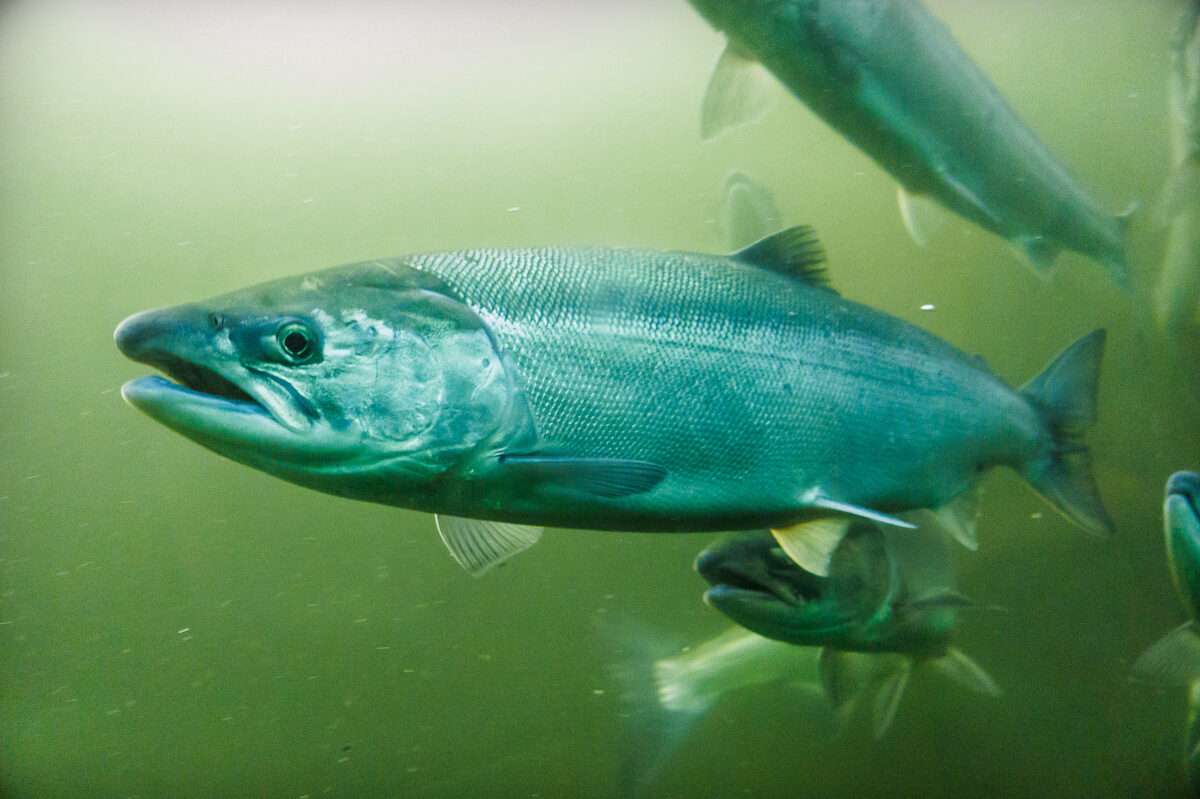
Coinciding with Trump’s latest pro-fish farming push, Cooke Aquaculture, a major seafood producer, is once again under investigation over allegations of animal abuse. The vertically integrated hatchery houses millions of Atlantic salmon, which go into at least one product bearing the third-party Best Aquaculture Practices (BAP) label.
The undercover investigation is the second of its kind published by Animal Outlook, and comes seven years after the first went live. According to the activist organization, it documented much of the same cruelty as before, alongside other policy violations. Covert video footage taken by Animal Outlook at the Cooke Aquaculture salmon hatchery in Bingham, Maine, shows staff kicking, clubbing, and cutting live fish.
Workers ignored containment protocols, thereby increasing the likelihood of captive fish escaping into the local waterways, used feed contaminated by rodents, and made light of mass “die-offs,” including one particularly shocking incident where up to 30,000 salmon died in a single tank. Overall, workers highlighted that the Cooke Aquaculture hatchery fosters a culture of output over effective oversight.
In a statement, Animal Outlook said that the hatchery’s environment was one of “systemic” animal cruelty, and noted that deformities and fungal infections “eating away at their faces” were also present in the hatchery’s salmon population.
‘We did a lot of stuff that we weren’t supposed to f**king do’
Jareb Gleckel, the director of legal advocacy at Animal Outlook, told the Guardian that the covert video shows mistreatment that is “about as bad as it gets.”
“The Cooke facility has no oversight,” he added. “Seven years after the first investigation, this is a systemic issue.”
In the undercover footage, the hatchery manager even referenced the previous Animal Outlook investigation. He said, “We did a lot of stuff that we weren’t supposed to f**king do.” As reported by the Guardian, the manager also said that he wanted to send a horse’s tongue to the “animal activist b***h” who went undercover in 2017.
In an expert affidavit, Jena Questen, the former president of the World Aquatic Veterinary Medical Association, said, “Based on the repeated inhumane treatment of fish depicted in the footage, carried out in full view of co-workers, it is my professional opinion that animal welfare guidelines at this facility are not adequately implemented, enforced, or supported through appropriate training and oversight.”
Questen added, “Absent such measures, it is my professional opinion that animals will continue to experience unnecessary and avoidable suffering until substantial corrective measures are implemented.”
The problem with aquaculture
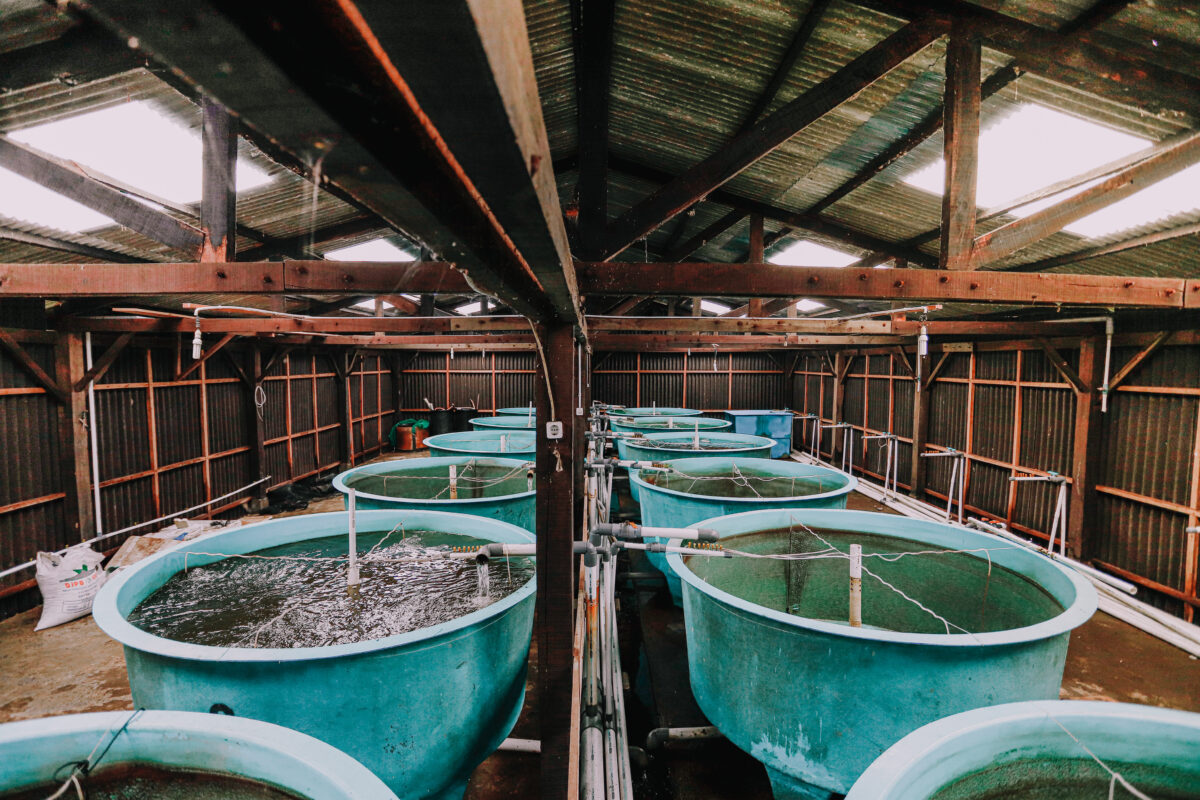
As with all forms of factory farming, animal cruelty, environmental damage, and the spread of disease are unavoidable when producers use an industrialized model.
To produce protein, the aquaculture industry harvests eggs and sperm from wild fish to breed and raise captive animals in controlled environments. These environments can include cages in the sea, circular ponds, or indoor tanks. There are roughly 3,500 farms across the US, and the US aquaculture industry is worth around USD $4 billion.
Even without predicted future growth, there are already clear parallels between aquaculture and the factory farming of land animals. While each industry provides clear benefits to the companies behind production, they are both detrimental to everyone and everything else, including the global food system they are part of.
It is likely that more than one billion individual fish are farmed per year within US aquaculture. The industry expanded globally by more than 600 percent between 1990 and 2020, and is responsible for about half of all fish consumed by humans.
Pollution, dead zones, and resistance to aquaculture
Aquaculture and land-based factory farming each rely on high-density confinement, the use of genetic selection to optimize growth, vertically integrated supply chains, and the use of unnatural and industrialized feed.
Systemic and random animal cruelty is common throughout, as are infections and diseases, the use of antibiotics and human drugs to mitigate animals’ sickness, and uncontainable environmental pollution. A previous study suggested that the negative impact of aquaculture on wild fish populations is “greater than commonly cited,” further undermining the myth that it can be part of a sustainable food system.
Williamson said, “There are escapes, nitrogen and phosphorus pollution affecting the ecology, there’s dead zones developing underneath open net pens, impacts on fishermen – that’s why we are seeing resistance from states and local groups.
The problems presented by industrialized aquaculture are far from exclusive to the US. In February, Animal Equality UK reported that Scottish salmon farms recorded 35 million unexpected fish deaths over a three-year period in which they received just two unannounced inspections, displaying “embarrassingly poor” oversight.
A separate investigation into Scottish salmon farms exposed workers beating fish to death at a farm on the Isle of Skye. Animal Equality noted that the industry has also underreported its antibiotic use by 66 percent, and that Scottish Sea Farms’ Barcaldine was found to have illegally discharged formaldehyde and bronopol – both of which are extremely toxic – into lochs for 117 consecutive days.
Read more: UK’s Worst Ammonia Pollution Hotspots Correlate With Factory Farms
‘Incredibly inefficient when it comes to protein’
Some governments are moving away from intensive aquaculture in light of its risks. In 2024, the Canadian government announced a ban on open-net pen salmon farming, which allows parasites, chemicals, bacteria, and fatal diseases like piscine orthoreovirus (PRV) to flow into the wider ocean ecosystem, infecting wild fish.
“Even if you take out all the willful animal cruelty, keeping that many fish in captivity is not a good life, and therefore it’s cruel,” Williamson said. In addition to improved oversight in the aquaculture industry, he added that he would like to see “people shift their protein consumption away from animal protein towards plant-based.”
“We know that specifically carnivore fish is incredibly inefficient when it comes to protein conversion,” he told the Guardian.
Earlier this year, the American Heart Association (AHA) once again recommended that people eat more plant-based proteins and fewer animal products. Since March, plant-rich diets have been linked to reduced risk of dementia, hypertension, and cancer. Meanwhile, the vegan seafood market is booming amid supply chain and sustainability concerns, from shrimp and caviar to tuna and whole-cut salmon.
Please note: PBN runs a sponsored content model. To explore how you can get featured, please email [email protected] or visit everkinddigital.com