Community
 Print
Print



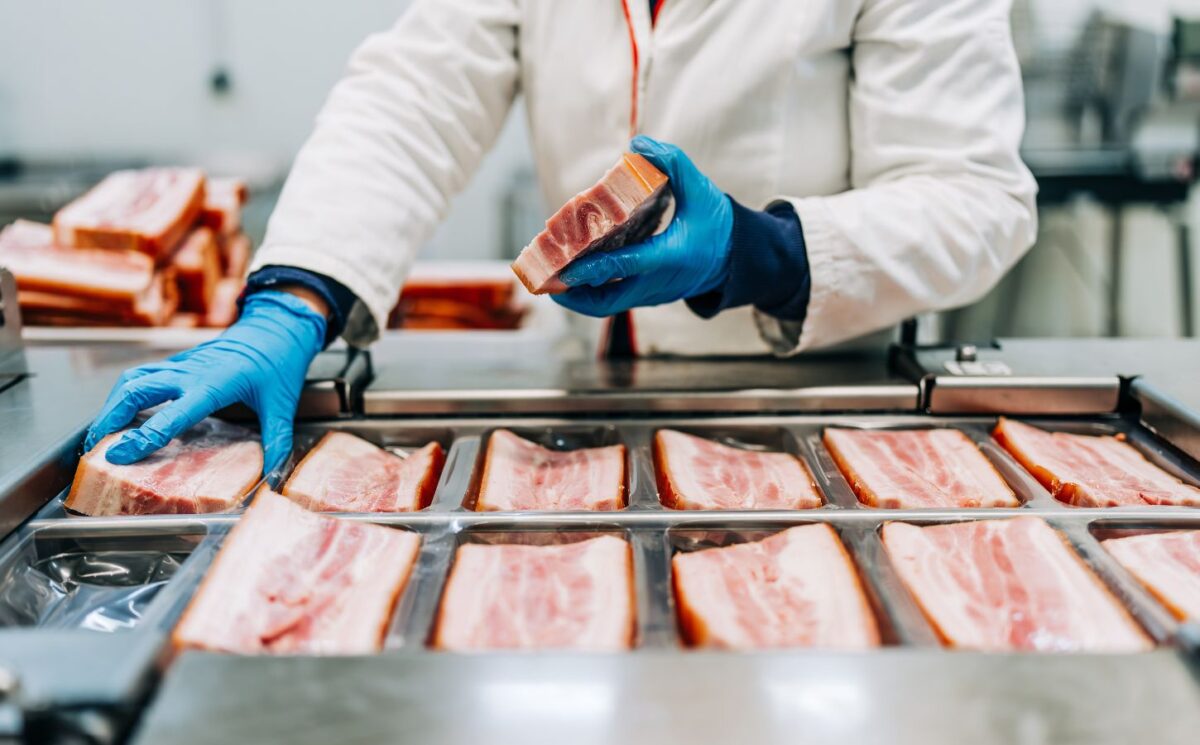
Bacon sales are dropping in the UK as consumers attempt to avoid products cured with nitrites, a controversial additive linked to cancer. However, bacon sales are still high overall, and many people remain unaware of how it is made or even which animal it comes from. Here’s everything you need to know about the topic.
Read more: Nitrite-Cured Bacon Sales Plummet By £18.7 Million Due To Cancer Fears
What is the bacon cancer scare?
Bacon is an extremely popular variety of cured pork. While turkey and plant-based alternatives exist, traditional bacon comes from pigs. It can be cured in several different ways, including with just salt, through smoking, or with nitrites.
In the US, the USDA notably only officially recognises bacon as cured if it has been treated with synthetic nitrites or nitrates. In the UK, up to 95 percent of all packaged bacon and ham sold contains nitrites, which are probably carcinogenic to humans.
According to data published by the Coalition Against Nitrites, nitrite-cured bacon sales in the UK fell by £18.7 million in the 12 weeks leading up to the end of January 2026 compared to the same period in 2024-2025. Nitrite-free bacon sales simultaneously increased by 21.7 percent in value and 19.6 percent in volume, indicating that shoppers are avoiding nitrites due to the potential health risks.
‘Consumers do not want additives in their food’
Last year, a group of leading experts wrote a letter to UK Health Secretary West Streeting to highlight the lack of progress on processed meat and its associated health risks, which have been common knowledge for over a decade.
The experts’ letter marked the 10th anniversary of the World Health Organization (WHO) reclassifying processed meat as a Group 1 carcinogen. That classification means that there is “sufficient evidence” that processed meat causes cancer.
The WHO simultaneously reclassified red meat as a Group 2A carcinogen, which means that it is “probably carcinogenic to humans.” The letter’s signatories called for tobacco-style warnings on bacon and other processed meats that reflect this.
Regarding the recent change in consumer behavior, a spokesperson for the Coalition Against Nitrites said, “£18.7m has been wiped off nitrite-cured bacon sales in just three months. That’s not a fluctuation, it’s a consumer revolt. Shoppers do not want additives in their food.”
How is bacon made?
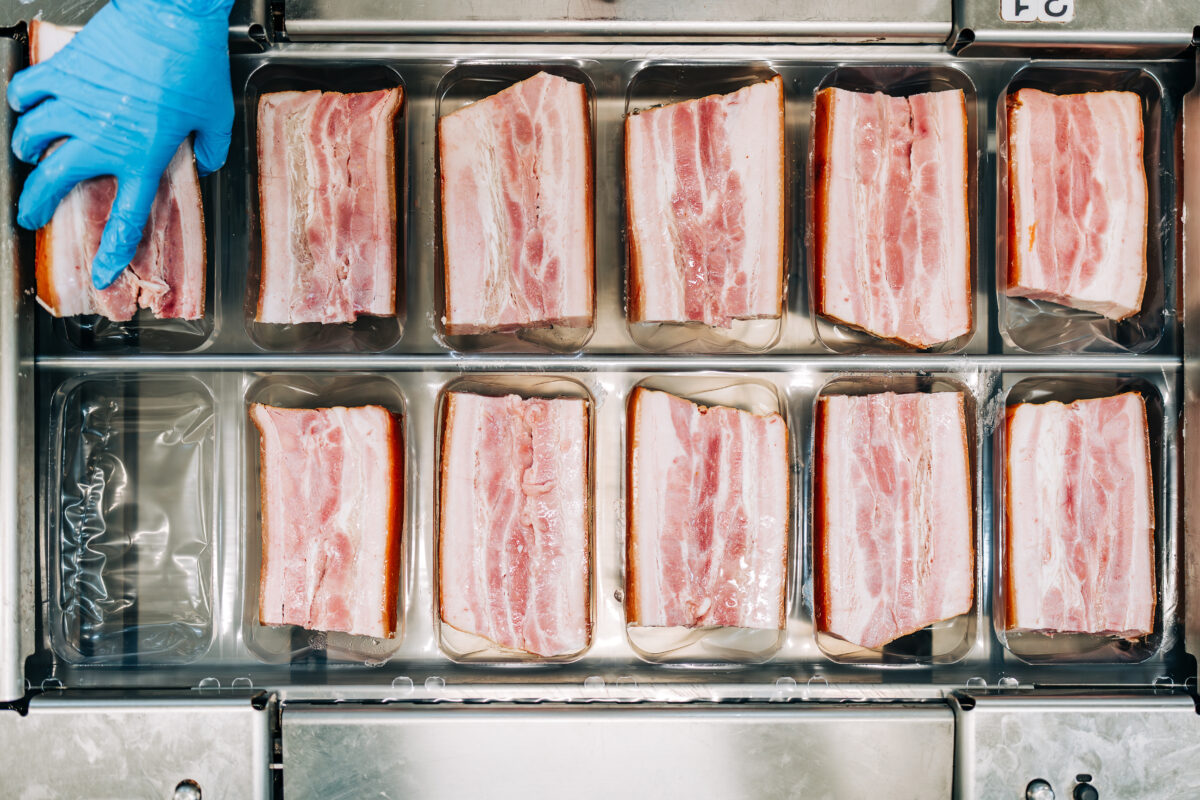
Shoppers might be buying nitrite-free bacon, but all traditional pork products require pig farming, which negatively affects people, the planet, and animals themselves.
To make bacon, pigs are farmed, fattened, and killed at a young age, usually after experiencing a short, brutal life on a factory farm. (More on that later.) Once slaughtered, the pigs are butchered, and their bodies are processed into various cuts, including pork belly, which is the most common choice for traditional bacon.
The pigs’ meat is then cured, and most modern bacon production uses sodium nitrite as the active agent in this process. Sodium nitrite prevents bacterial growth and gives bacon the characteristic pink color. For dry curing, a blend of salt, sugar, and nitrite curing salt is rubbed onto the meat, while wet curing involves submerging the meat in a water and nitrite-based mixture. Injection curing, which is the most common method for industrially produced brands, involves injecting a salted nitrite brine directly into the meat. This results in an extremely fast cure time and means up to 15 percent of the product’s weight comes from retained water, saving producers money.
Celery powder, which is naturally high in nitrates, is a common nitrite-free option. These still convert to nitrites during the curing process, but it is thought that the vitamins and minerals present in vegetables make those nitrites less of a health risk.
Read more: Scientists Just Discovered A Way To Make Your French Fries Healthier
Nitrites, food processing, salt, and health risks
It is the use of synthetic nitrites, in particular, that has prompted such a strong consumer response, as well as calls to phase out processed meats. Nitrites are considered a problem because both cooking and digestion can convert them into nitrosamines, deadly carcinogens that have been linked to colon cancer.
There is strong evidence that nitrosamines are one of the main agents in bacon and processed meats that cause cancer and other non-communicable diseases (NCDs).
One recent study found that sodium nitrate is associated with a 32 percent increased risk of prostate cancer, while potassium nitrate is associated with a 22 percent increased risk of breast cancer and a 13 percent increased risk of cancer overall.
“If confirmed, these new data call for the re-evaluation of regulations governing the food industry’s use of these additives, to improve consumer protection,” wrote the authors. “In the meantime, the findings support recommendations for consumers to favour freshly made, minimally processed foods.”
Dementia and cognitive decline
Last year, a study found that people who ate a quarter serving of processed red meat per day had a 13 percent higher risk of dementia and a 14 percent higher risk of subjective cognitive decline (SCD). The authors analyzed more than 133,000 people over four decades. Swapping one daily serving of processed red meat for whole, plant-based proteins, such as legumes, resulted in a 19 percent reduction in risk.
Along with the potential health risks of nitrite-based curing, bacon is high in salt, overall fat, and saturated fat content. Too much salt and saturated fat in the diet can significantly increase a person’s risk of heart disease and stroke, both of which are leading causes of death among people with NCDs and within the population overall.
The average American eats roughly 18 pounds of bacon per year, the equivalent of more than three house bricks, and despite growing concerns around health risks, environmental damage, and animal welfare, bacon consumption is going up.
The UK isn’t much different, and nearly 90 percent of Brits believe that bacon is the most important part of a fried breakfast. It’s worth noting here that roughly 1.3 million people in the UK also mistakenly think that bacon comes from cows, and more than a third of Americans are unable to identify healthy vs unhealthy processed foods.
Read more: Eating Pigs: The Ethical Costs Of Ham, Pork, And Bacon
Bacon, animal welfare, and the environment
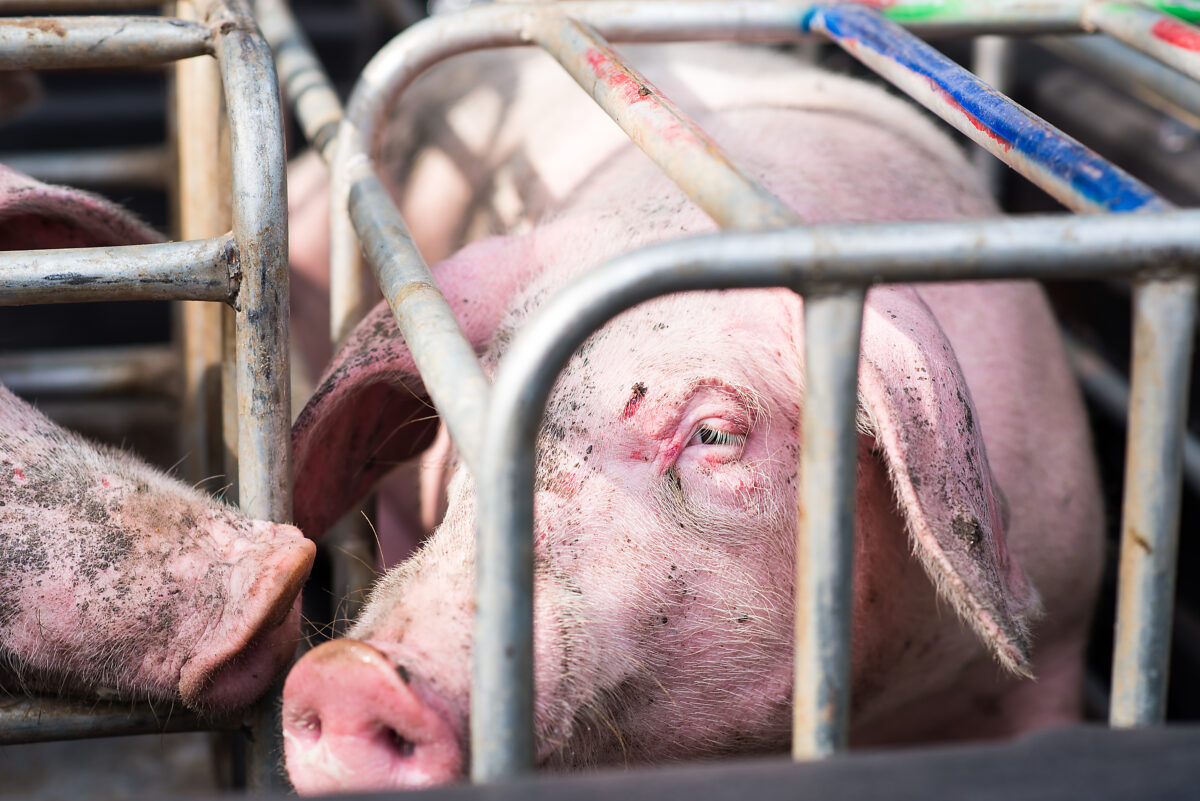
Before pork becomes bacon, it is pigs. As with processing methods and types of meat, studies show there remains a “high level of ignorance” about the reality of the animal farming industry. However, in addition to growing health concerns around bacon, people in the UK are frequently concerned about farm animals’ welfare.
Most Americans are also concerned about the impact of industrial agriculture on animals, and most oppose the building of new factory farms. Less than 20 percent of Americans realize that almost 100 percent of US “food” animals are factory farmed.
Factory-farmed sows, the female pigs used for breeding, endure forced insemination, tiny “farrowing crates,” and limited physical access to their piglets after they give birth. Meanwhile, the piglets have their tails docked and teeth clipped without anesthesia.
Piglets are separated from their mothers after just four weeks, and workers routinely kill sick or diseased young animals by smashing their heads into the walls or ground, a common practice known within the industry as “thumping.” At just six months old, pigs are selected for either immediate slaughter or breeding. If chosen for breeding, they give birth twice per year until they are killed at roughly five years old.
Outside of the industry, the average lifespan of a pig is around 15 years, and when well cared for, the animals can live for up to two decades. Pigs are naturally social and highly intelligent. They can recognize their own names and work collaboratively to solve problems, and sometimes, even attempt to escape from captivity.
The environmental impact of bacon
Human health and animal welfare issues are not the only problems with bacon production. Pig farming harms the environment, particularly when performed on an industrial scale that requires raising millions of pigs per farm.
Roughly 1.2 billion land animals are killed for food per year in the UK, and around 85 percent are raised on factory farms. That total includes 3.7 million pigs, of whom around 60 percent are factory farmed. The UK kills 10 million pigs for food every year.
In the US, 9.5 billion land animals are slaughtered for food each year, including more than 10 million pigs. Ninety-nine percent of “food” animals are factory farmed, including 98.3 percent of pigs. The US slaughters around 128 million pigs per year, and overall, the British and American industries kill over 138 million pigs every year.
Animal agriculture is the leading cause of climate change, and pig farming is no exception. It requires vast areas of land to grow crops that could be used for human food, but are instead turned into pig feed. This is deeply inefficient, and also drives deforestation, reduces biodiversity, and creates an astronomical amount of pollution.
Industrial pig farming produces so much ammonia that its atmospheric pollution can be seen from space, and the industry disproportionately impacts communities of color in the US. Manure from pig farms destroys rivers, degrades soil, and makes entire neighborhoods unlivable by ruining the air and drinking water.
More than a third of the UK’s total wheat production, which is the country’s predominant crop, is grown for consumption by pigs and poultry, not humans. Subsidies for factory farms cost British taxpayers more than £1.2 billion per year.
Consumers are rethinking bacon

While the animal welfare and environmental concerns surrounding bacon and pig farming are pressing for many, it remains to be seen whether increased awareness will lead to a change in consumer behavior similar to the impact of nitrites.
Health remains the number one reason for consumers choosing plant-based alternative proteins over animal products. Nearly a quarter of people now identify as “meat reducers” or flexitarians, while a fifth do not consume any meat at all.
In contrast to bacon and traditional meat, plant-based proteins are not linked with adverse health conditions, even when processed. Meat-free diets may cut cancer risk by up to 25 percent, and alternatives are also better for animals and the planet.
The EAT-Lancet Commission’s latest report found that widespread adoption of its Planetary Health Diet, which is primarily plant-based, could prevent more than 40,000 early deaths per day and 15 million deaths per year. A global shift towards plant foods would also promote climate resilience and environmental restoration.
Read more: Frankenchickens: Major Fast-Food Brands Scrap Animal Welfare Pledge, Including Nando’s And KFC