Community
 Print
Print



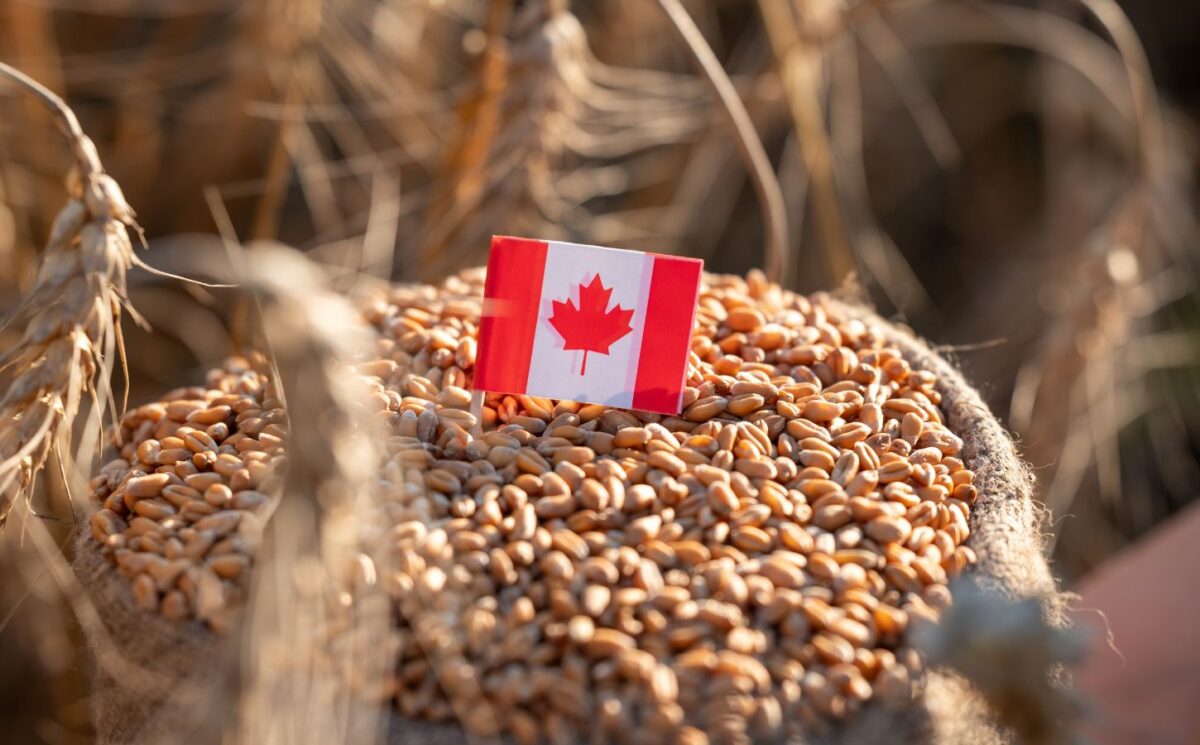
Canada has announced a new USD $2.1 billion (CAD $3 billion) food strategy, but it doesn’t mention plant-based or alternative proteins once.
According to an official statement by Mark Carney, the Prime Minister of Canada, the strategy focuses on “lowering costs, creating jobs, and building a food system that is more resilient, more competitive, and more our own.”
Read more: Kevin Bacon Wants You To Swap Meat For Beans One Day Per Week
The 10-year National Food Security Strategy is the first of its kind, and aims to boost domestic food production, “cut red tape,” and spur grocery store competition.
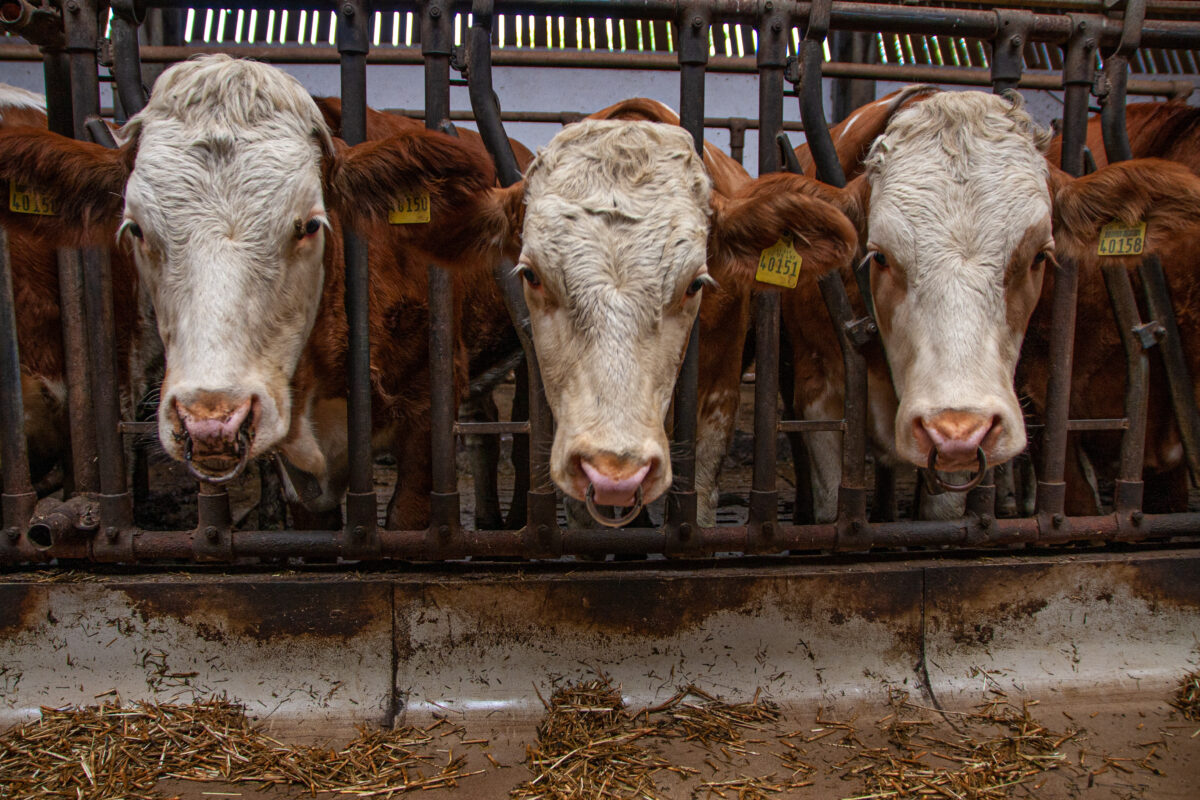
While the food strategy aims to expand Canada’s production of fruits and vegetables, it also plans for expanded animal farming and seafood production, two of the most unstable, inefficient, and high-impact forms of protein production in the world.
As noted by World Animal Protection Canada, the country is “already a global leader in producing plant-based proteins like lentils, beans and peas,” but without a plant-based strategy, Canada is “missing the chance” to achieve its full potential.
The global food system is increasingly unstable, and countless experts have specifically endorsed plant-based and alternative proteins as an effective way of making the food system more equitable, ethical, sustainable, and profitable.
Last year, the updated EAT-Lancet report found that its Planetary Health Diet could prevent more than 40,000 early deaths per day, and 15 million deaths per year.
The plant-forward diet could also save $5 trillion per year – more than 10 times the amount needed to drive widespread food system change – through improved climate resilience, environmental restoration, and improved human health.
Read more: The Legume Renaissance: One Bean Per Day Could Save Europeans €42 Million
Plant-based growth, Europe, and the food system
Europe is currently investing more than $2.5 million to promote plant-based foods, while the Netherlands, which just reduced its national meat recommendations by 40 percent, is about to get the ‘world’s first’ cultivated meat farm. Following its groundbreaking plant-based roadmap in 2023, Denmark announced a new initiative last year that aims to replicate the same model EU-wide.
As reported by the Financial Times, Denmark’s growing plant-based food market could be worth up to $2 billion and create 27,000 jobs by the end of the decade.
PBN runs a sponsored content model. To explore how you can get featured, please email [email protected] or visit everkinddigital.com