Community
 Print
Print



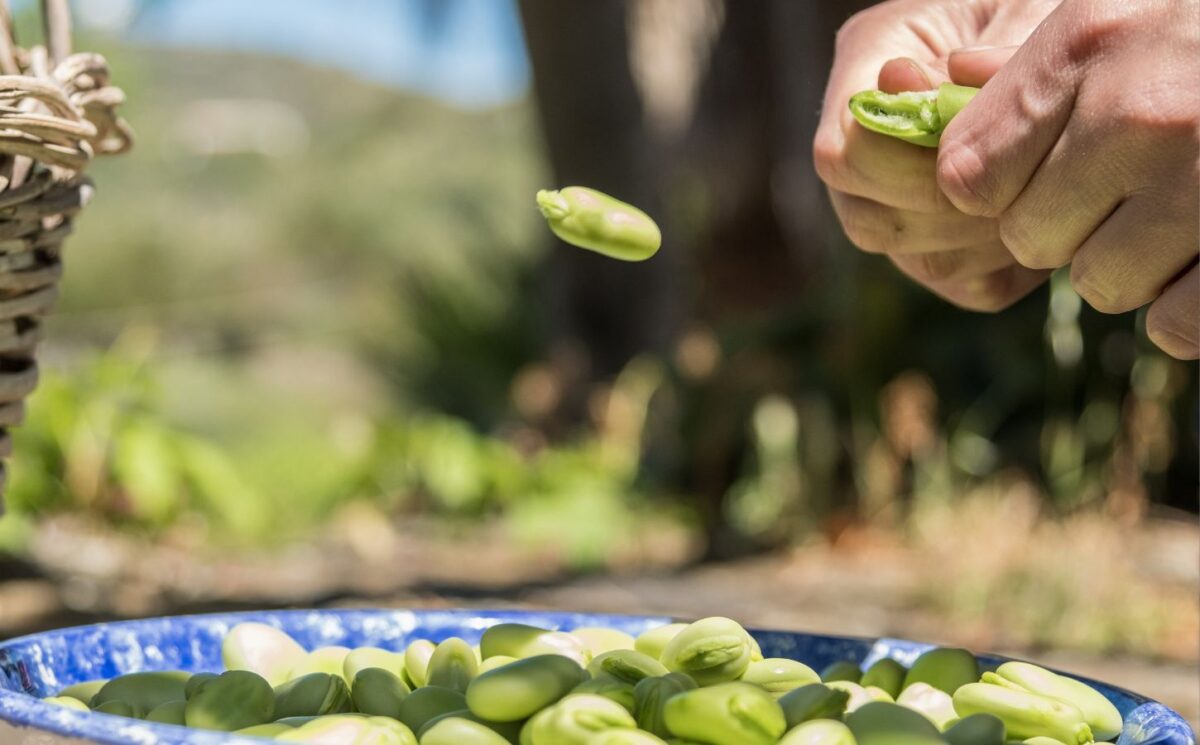
Doubling European fava bean consumption by 2040 could help save €42 million per year in healthcare costs.
Doubling fava bean consumption could also reduce global pesticide use by 209 tonnes and CO2 emissions by 7 million tonnes.
Read more: Soy And Legumes Could Lower Hypertension Risk, Finds Study
The figures come from Towards a Legume Renaissance, a new report by The Protein Project. This report sets out a roadmap to significantly increase legume production and consumption in Europe, using fava beans as a case study.
The Protein Project predicts that fava bean consumption could double by 2040. This would lead to an increased share of fava beans for human consumption the approximate equivalent of one fava bean per person per day.
This could save €42 million in healthcare costs and €27 million in reduced fertilizer imports. It could also avoid 63 tonnes of fertilizer, 350 tonnes of imported proteins, 209 tonnes of pesticides, and 7 million tonnes of CO2 emissions.
The European food system is facing four “interconnected crises”: declining strategic autonomy, rising health burdens, environmental degradation, and persistently low incomes for farmers. According to the report, legumes could help to tackle all four crises, and fava beans show “particular promise” as a catalyst for change.
“Improving the EU’s protein system is challenging because it spans livelihoods, culture, and decades-long farm investments, and needs balance rather than opposition,” stated the report. “Legumes can relieve multiple pressure points across the food and feed systems, even if they are not a silver bullet.”
Read more: Marigold Flowers Can Be Upcycled Into Plant-Based Protein, Finds Study
‘A strategic investment in our future’
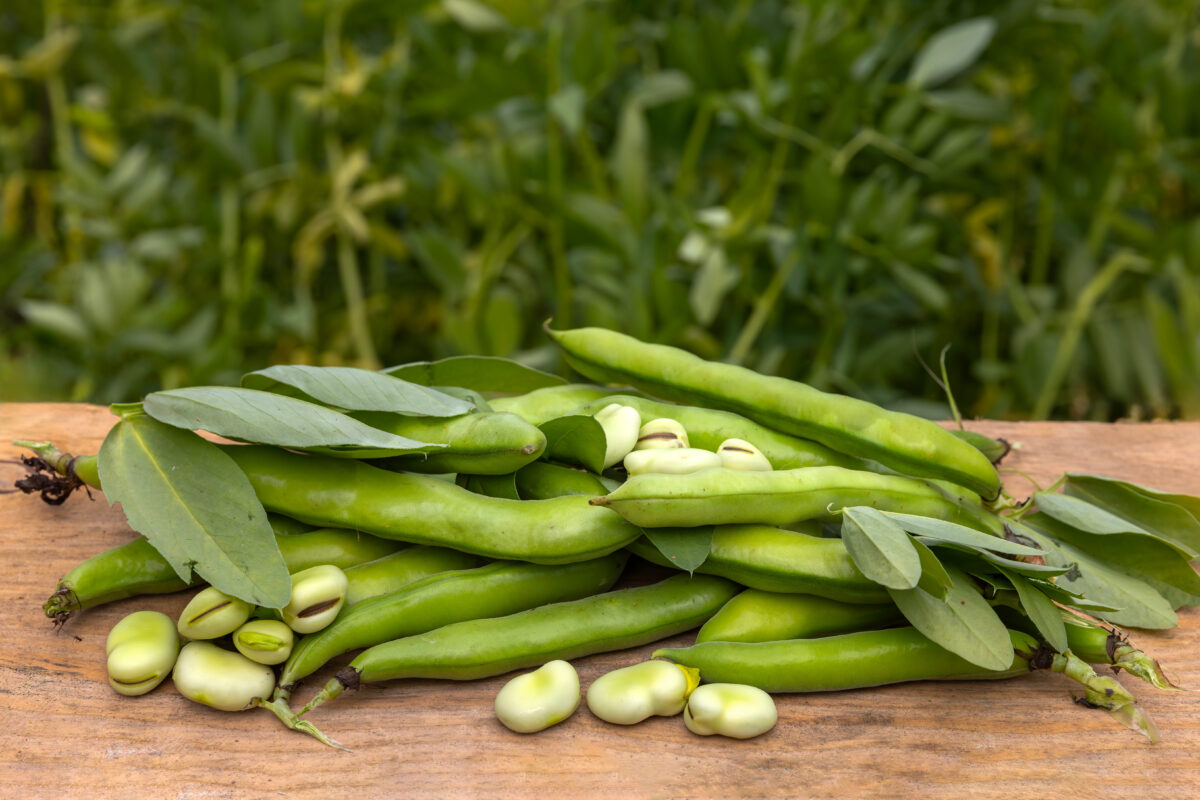
Fava beans are high in protein and high in fiber, and growing them can support healthy soil. They require few pesticides, thrive in European climates, and contribute to essential biodiversity and climate goals. However, just 15 percent of fava beans currently go towards human food, while 85 percent are used to feed farm animals.
“Legumes remain undercultivated and underconsumed in Europe,” the report said. “The context however is changing, with increased focus to build a more resilient food system. […] Scaling Europe’s well-adapted legumes is therefore a strategic investment in our future to strengthen farm incomes and circularity, cut import dependence for input and feed, and advance climate and public health.”
Please note: PBN runs a sponsored content model. To explore how you can get featured, please email [email protected] or visit everkinddigital.com