Community
 Print
Print



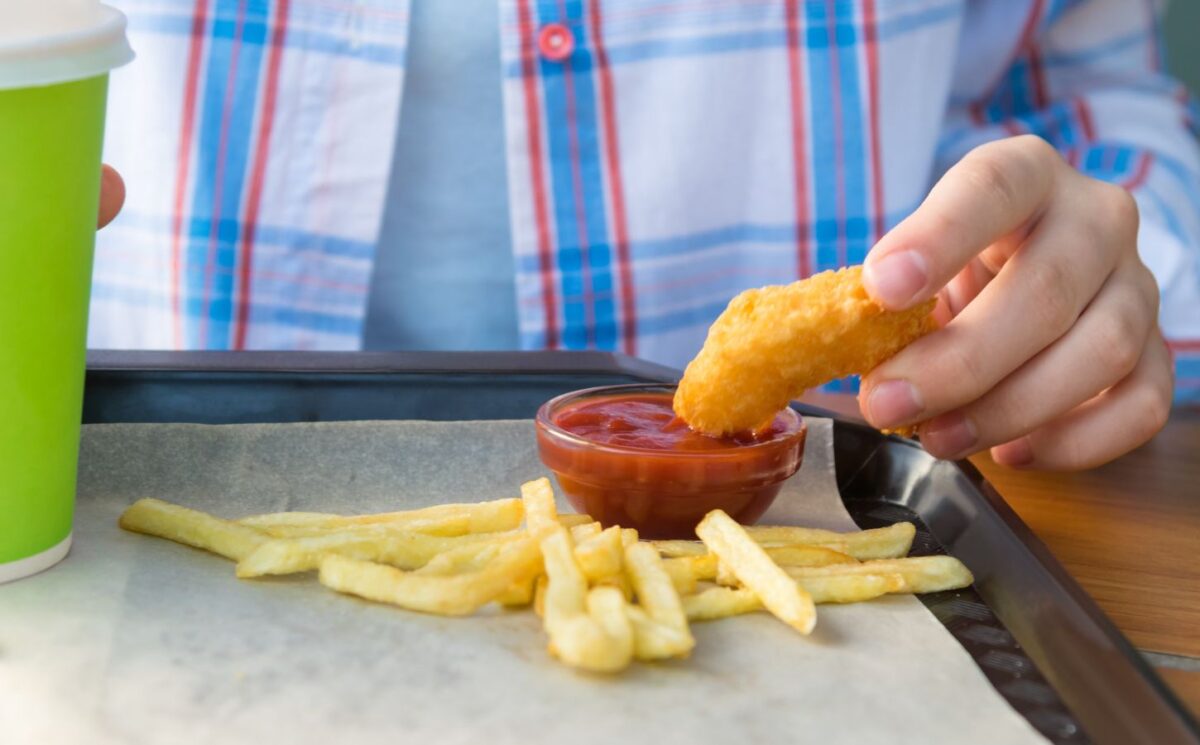
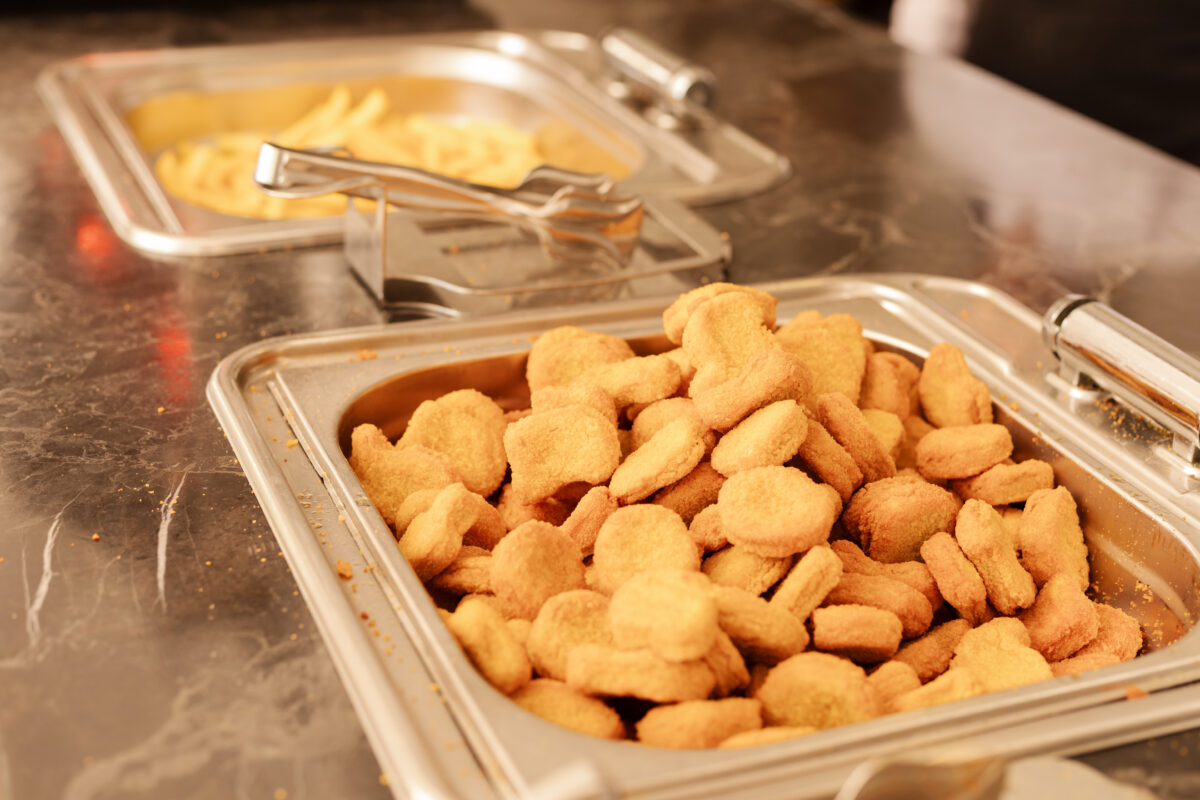
The UK government is expected to announce a ban on fried foods such as chicken nuggets, battered fish and chips, and jam doughnuts in school dinners.
The new rules represent the first update to school food standards in more than a decade. Full details of the new standards will be announced in September, and the fried food ban will be fully and “robustly” enforced from September 2027.
Read more: Swap Processed Meat For Plant-Based Alternatives To Boost Fiber, Say Studies
Sample menus suggest fried foods will be replaced with a “colourful range of tasty, health-packed meals.” However, the proposed school dinners also include animal ingredients such as chicken and cheese. The government has launched a nine-week consultation on healthier school dinner options with both parents and children.
Secretary of State for Education Bridget Phillipson said, “Today we are launching the most ambitious overhaul of school food in a generation, and it is long overdue.”
The government noted that one in three children leaves primary school overweight or obese, and that tooth decay from high sugar diets is the leading cause of hospital admissions for kids aged five to nine. According to Philipson’s announcement, a poll found that three-quarters of UK parents are concerned about their kids’ food.
‘Every child deserves to have delicious, nutritious food at school’
“Every child deserves to have delicious, nutritious food at school that gives them the energy to concentrate, learn and thrive,” said Phillipson. “Meals that children will actually recognise and enjoy, backed by robust compliance so that good standards on paper become good food on the plate.”
Studies show that even low-level consumption of processed meat, such as fried chicken nuggets, is unsafe. Overall, animal foods like poultry, red meat, and dairy come with risks. In contrast, plant-based alternatives and plant-rich diets that emphasize vegetables and other whole foods help to support human health.
There is a growing movement pushing for more plant-based foods in schools, made up of advocacy groups, parents, kids, and politicians. Meanwhile, Health and environmental experts say that serving plant-based meals in schools and hospitals could save the NHS £54.9 million per year and promote healthy eating.
Read more: The UK Sugar Tax Will Now Include Plant-Based Milk Alternatives, But Not Dairy
Food poverty, school dinners, and government investment
Luke Consiglio, chief executive of education catering company The Pantry, has noted that while the new food standards are positive, they may have a “negative impact.”
As reported by the Guardian, The Pantry feeds children in 170 schools and led the new food standards pilot program at a primary school in Brighton. Consiglio said that school dinner uptake dropped by 15 percent during the pilot, and resulted in more children bringing their own lunches, many of which contained chocolate and crisps.
“Despite these good intentions, there’s a real risk that this will actually have a negative impact on children’s health,” he told the Guardian.
Food campaigners have repeatedly argued that government policy should tackle child poverty and food insecurity, which is widespread, rather than disproportionately focusing on obesity. According to the Department for Work and Pensions, roughly 11 percent of UK adults and 18 percent of children live in food-insecure households.
The government currently gives £2.61 for each free school meal in England, and while this will rise to £2.66 in September, the true estimated cost for a healthy, sustainable school meal is somewhere between £3 and £3.50. In Wales, Scotland, and Northern Ireland, the government already provides £3.40, £3.30, and £3.10, respectively.
Read more: Updated EAT-Lancet Planetary Health Diet Could Prevent 40,000 Deaths Per Day