Community
 Print
Print



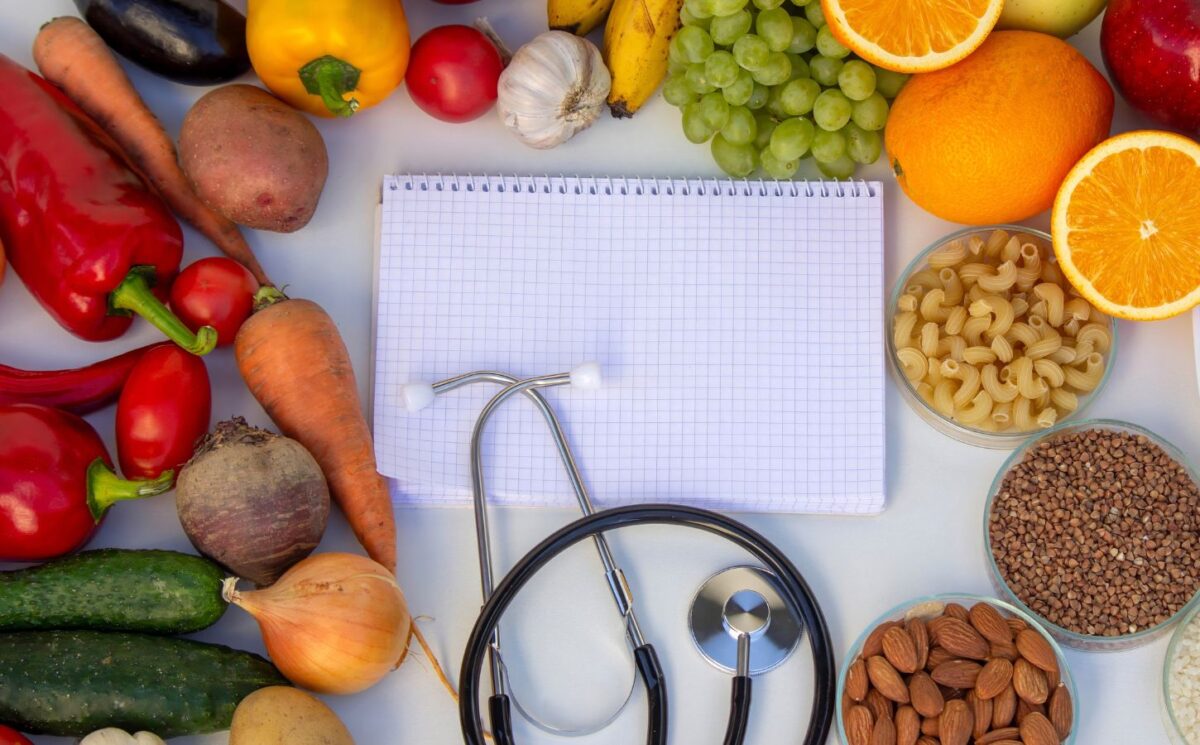
A doctor has summarized some of the most notable science papers of 2025 that support plant-based and plant-forward diets as a route to better health.
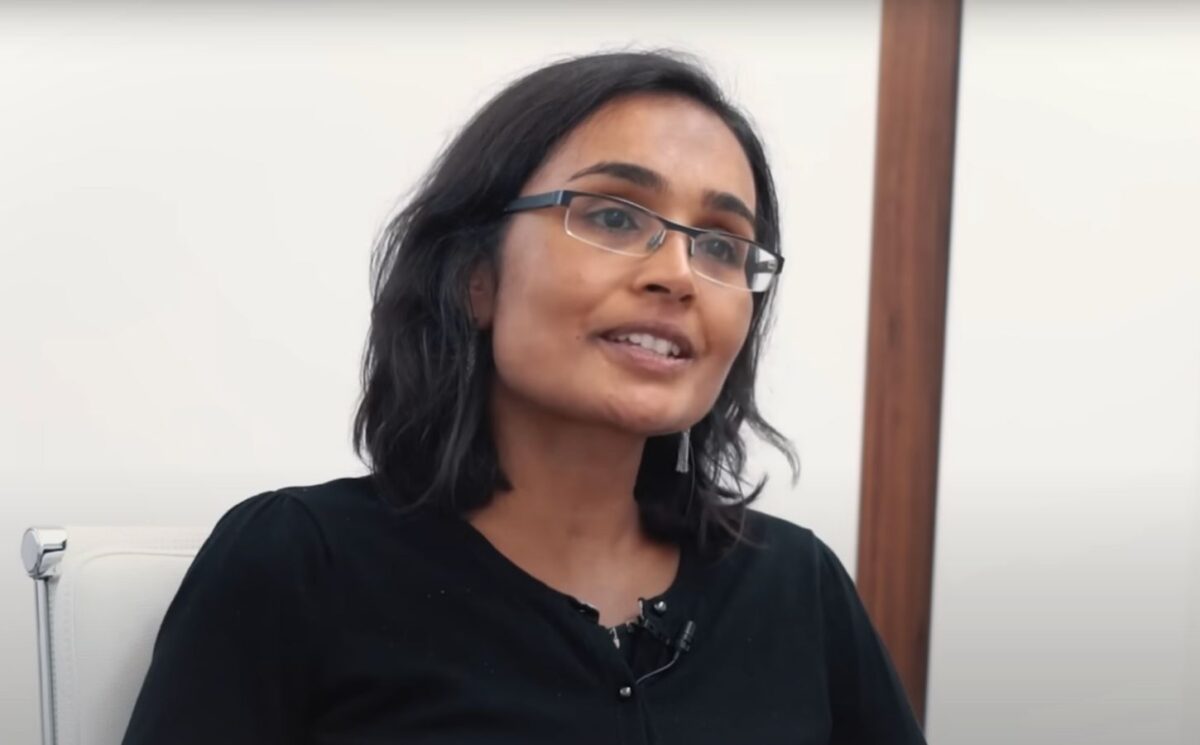
Dr Shireen Kassam, a British haematologist, physician, proponent of lifestyle medicine, and the founder and director of Plant-Based Health Professionals UK, discussed the key papers in a reader-friendly blog post on her Substack.
Read more: Vegan, Flexitarian Or Carnivore? Here’s The Impact Your Diet Had This Year
Kassam noted at the beginning of her post that “the scientific research continues to support plant-rich diets as a key part of the solution,” despite ongoing challenges.
She went on to explain how studies have shown that life expectancy is “stalling” in Europe and the UK, which is linked to a lack of progress on reducing deaths from cardiovascular diseases and cancers. These factors are also driving a widening gap between healthspan and lifespan as people live longer but with poorer health.
Several different studies from the last year emphasized rising rates of non-communicable diseases (NCDs) such as CMD, and many also highlighted diet-related risk as a crucial contributor and an effective potential point of intervention.
In particular, Kassam noted that low intake of fruits, vegetables, legumes, whole grains, and nuts – and high intake of processed and red meat – are factors in rising NCD risk, reduced quality of life, and poor health outcomes in general.
Other notable points from Kassam’s 2025 summary include that: plant-based diets are nutritionally adequate and offer various health benefits; plant-based diets lower the risk of cancer; plant-based eaters have “the best” overall gut health compared to meat-eaters and flexitarians; sustainable and equitable food production does not require animals; and that plant-based and plant-rich diets support better health for people and the planet, with particular mention of the updated EAT-Lancet report.
‘My aim was to cut through the noise’
Kassam described how the body of evidence referenced in her summary aligns with planetary health frameworks that call for “systemic shifts” in the food system.
For example, in the updated Eat-Lancet report, plant-rich diets could prevent 15 million avoidable deaths per year, but could also keep the food system within planetary boundaries and save approximately USD $5 trillion per year.
“The key takeaway from my annual review is that the scientific evidence in 2025 reinforces that plant-rich dietary patterns, including vegan diets, not only support better health outcomes across major chronic diseases but are essential to bridging the gap between individual health and planetary sustainability,” Kassam told Plant Based News (PBN).
“In compiling this year’s top science papers, my aim was to cut through noise and focus on robust, peer-reviewed research that speaks directly to the twin crises of worsening global health and environmental degradation,” she said.
“We continue to see stagnating healthspan despite rising lifespans, driven in part by modifiable dietary risks, whilst the data consistently show that diets high in a range of plant foods, including fruits, vegetables, whole grains, legumes, nuts and seeds, are associated with lower risk of cardiovascular disease, type 2 diabetes and many cancers, alongside more favourable gut microbiome profiles,” added Kassam.
Read more: Plant-Based Diets Represent ‘Significant Opportunity’ To Address Global Challenges, Says Study
‘I hope to see greater leadership’
Kassam also noted in her summary that country-based dietary guidelines are “rapidly updating” to reflect the Planetary Health Diet proposed by the EAT-Lancet Commission, including Switzerland, Sweden, Belgium, and the Netherlands.
Some research published in 2025 indicated that eating plant-based meat (including “ultra-processed” options) is better for human health than traditional meat. Research also found that replacing dairy with fortified soy milk can improve metabolic health.
Near the conclusion of her summary, Kassam wrote the rhetorical question, “If we know plant-based diets are good, how do we shift behaviour?” She then explained that overhauling the food system is not just about individual choices; it is also about far-reaching systemic change. In particular, evidence suggests that providing plant-based options as the default, thereby normalizing them, is an optimal strategy.
“Looking ahead to the next year, I hope to see greater leadership from health systems and policymakers in translating this science into action, from reframing clinical guidelines and medical education to prioritising preventive nutrition in clinical practice and to embedding sustainability into public health strategy,” said Kassam. “Scientific consensus is no longer the barrier; implementation is.”
Read more: Eating More Fruit Could Help Keep Your Lungs Healthy, Say Researchers