Community
 Print
Print



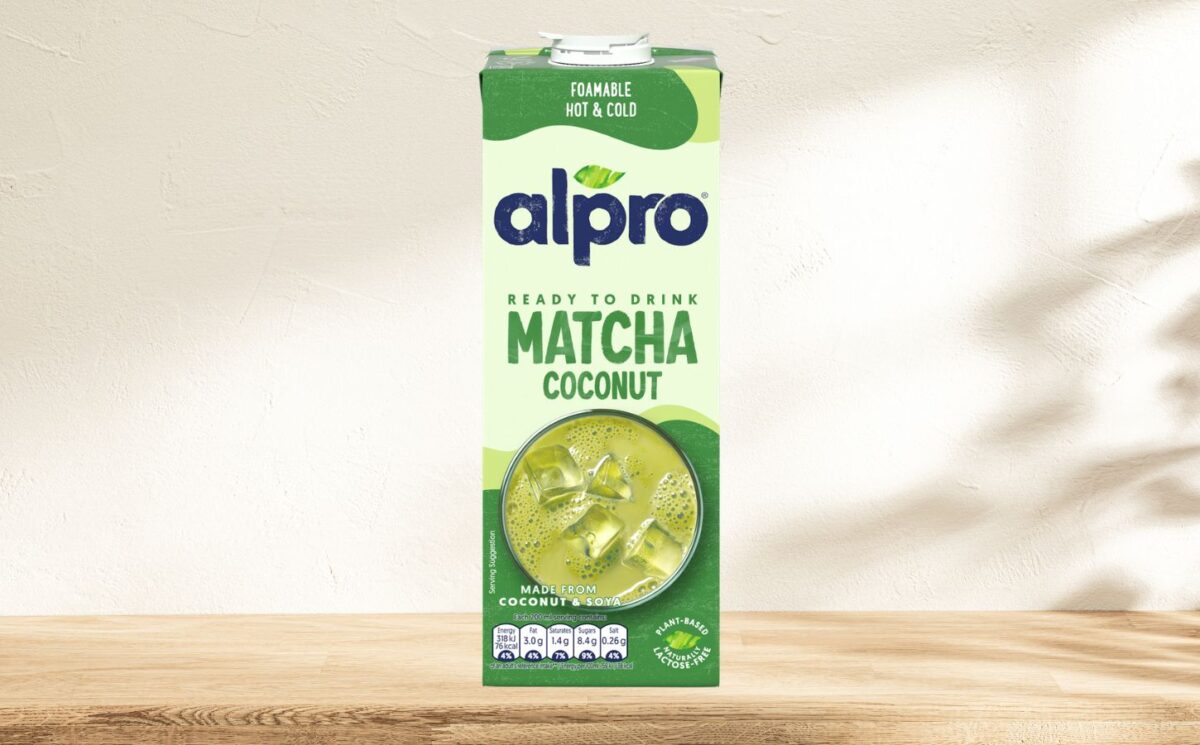
Alpro just launched the UK’s first matcha-flavored coconut and soy milk.
The first of its kind Matcha Coconut drink combines matcha, a bright green powder derived from shade-grown green tea leaves, with a soy-coconut base.
Read more: Oatly Launches Flavored Barista Milk, Announces First Fully Profitable Year
Alpro created the new matcha-flavored beverage in response to what it called “explosive growth” in the matcha category over the last few years. Matcha appeared in more than twice as many ready-to-drink products in 2025 as it did in 2023.
“Matcha is growing at pace because it fits perfectly with today’s consumer habits and provides an on-trend alternative to traditional coffee, with a lower caffeine profile,” said Tom Kerr, the head of category management and commercial planning for plant-based products at Danone UK and Ireland. “Alpro is the first plant-based brand to bring a soya-coconut based RTD matcha drink to grocery, with the most competitively priced options on shelves.”
Alpro Matcha Coconut is fortified with nutrients including calcium, iodine, and vitamins B9, D2, and B2, and can be served cold, warmed, or foamed over coffee.
“Barista is one of the most dynamic areas for the category as consumers, particularly among Gen Z and Millennials who are driving demand for simple, quality, ready-to-pour formats at home,” added Kerr. “This launch underscores our confidence in its future – not just for matcha and Barista, but for the plant-based sector across the board.”
Alpro Matcha Coconut is available at Sainsbury’s for a limited time promotional price of £2.00 per 1 litre carton (RRP £2.75) and will arrive at other major retailers in June.
Read more: Danone Buys Huel In €1 Billion Deal As Consumers Seek Functional Plant Protein
Matcha: growing demand and increased risk of shortages
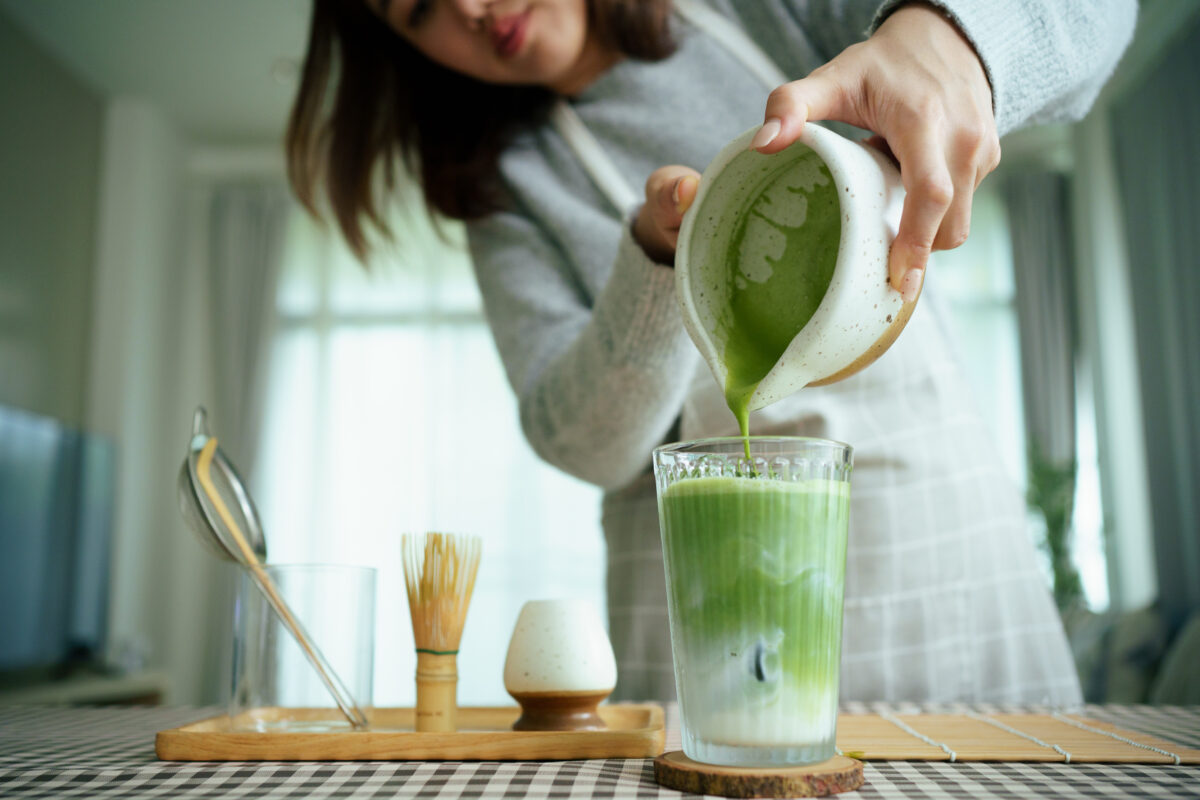
Sproud and Oatly launched matcha-flavored plant milks last summer, and Oatly recently expanded its range to include a Strawberry Matcha Latte product.
The global matcha market could reach USD $5 billion by 2028, but as of March 2026, the necessary raw green tea leaves are still in short supply. Increasing global consumption has reportedly placed unprecedented strain on Japan’s tea production, and some cafes and tea shops are still limiting drinks to one per person.
In 2025, the Global Japanese Tea Association encouraged tea drinkers to appreciate matcha’s “uniqueness and preciousness” and to “sip it mindfully and savour it fully.”
Read more: Matcha Shortages Expected Due To Rising Global Demand