Community
 Print
Print




As faux fur becomes more and more realistic, it is increasingly difficult to tell the animal-free versions from the real thing. Unless, that is, you know what to look for.
PETA UK has published a handy guide to spotting real fur when you’re out shopping for cruelty-free alternatives. The animal rights organization also advised how to test items, and explained why a high price tag might not be the giveaway you think.
Read more: Luxury Fashion Brand Rick Owens Becomes Latest To Ban Fur
While fur farming has been illegal in the UK for more than 20 years, the importing of fur and fur products is not yet banned, even under the recently proposed animal welfare legislation. The UK imports £40 million of fur each year, per HMRC.
In 2019, Humane World for Animals reported that “many” of the animal fur products for sale in the UK were either incorrectly labeled as synthetic or not labeled at all.
This was particularly common for clothes sold in boutiques, at markets, and online. Mislabeled items included a hat with a real marmot fur bobble, a rabbit fur key charm, a raccoon dog fur trimmed coat, and a gilet made with rabbit and marmot fur.
When it comes to inspecting items, PETA UK’s first suggestion was to check the tips of individual hairs. Where faux fur typically has blunt or sheared ends, real animal fur contains hairs that taper to a fine, natural point. You could also check for uniformity in length, as the hairs that make up real animal fur are more likely to naturally vary.
Next, it is advisable to check the backing. On items made from traditional fur, this will be the leather-like skin of the animal, while synthetics feature textiles.
Did your fur come from an animal?
For items that you have already purchased but want to double-check, you can test the backing with a pin. Where real skin is tough and will be difficult to push something through, the woven surface of artificial fabric will likely be much easier to penetrate.
Another way of testing if a fur is real is by burning it. Singing animal fur will smell like burning hair, while synthetic fibers will melt and smell like burning plastic. PETA UK urged caution here, around both the fire itself and the risk of smoke inhalation.
One final testing method is using a microscope to inspect the material. When magnified, real fur will show cells, while faux fur will not. PETA UK also encouraged shoppers to look beyond the price tag, as low-welfare fur and small items (such as pom poms on a hat) can be cheap, while some faux fur can be expensive.
Fashion industry ditches animal fur
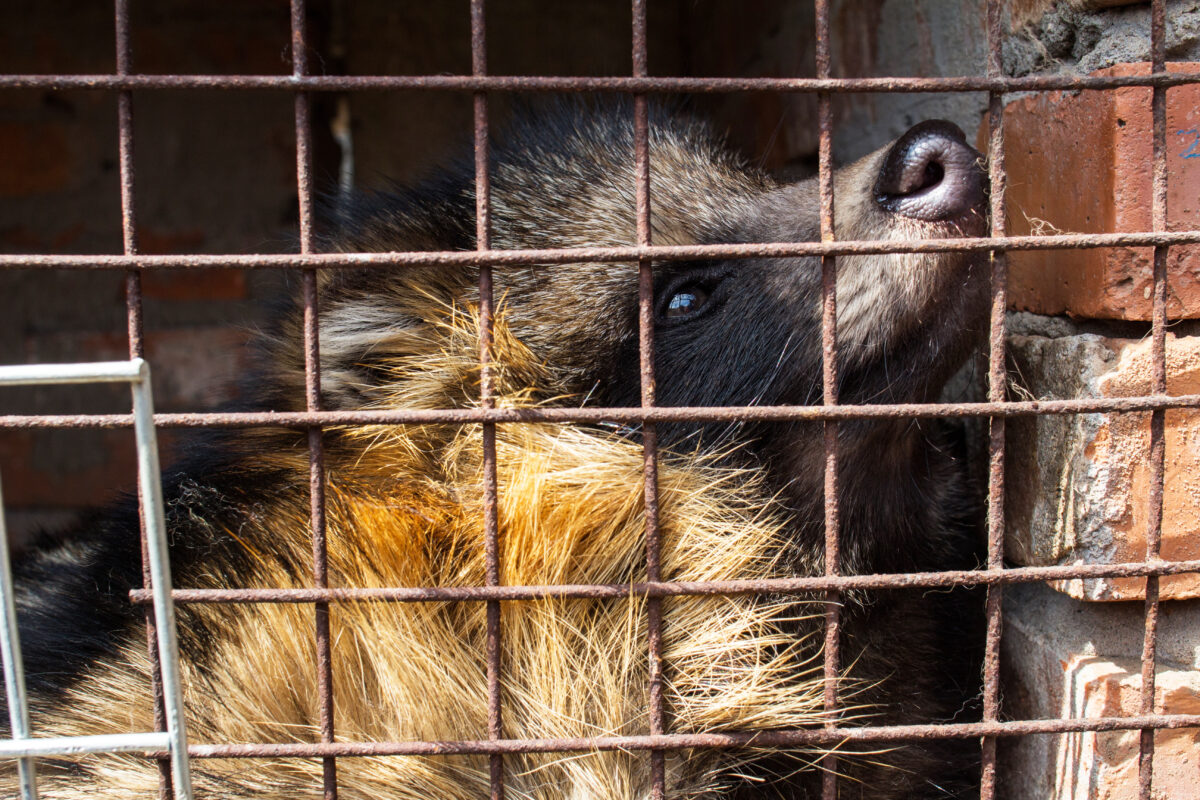
Earlier this month, Rick Owens became the latest luxury fashion brand to ban animal-derived fur in its clothing. The decision came shortly after the publishers of Harper’s Bazaar and Cosmopolitan announced a similar ban for its editorial content, and after New York Fashion Week said that September will be its final show with fur.
In October, and perhaps most notably, the publisher of Vogue, Vanity Fair, and GQ announced that it would no longer promote fur in its magazines or advertising.