Community
 Print
Print



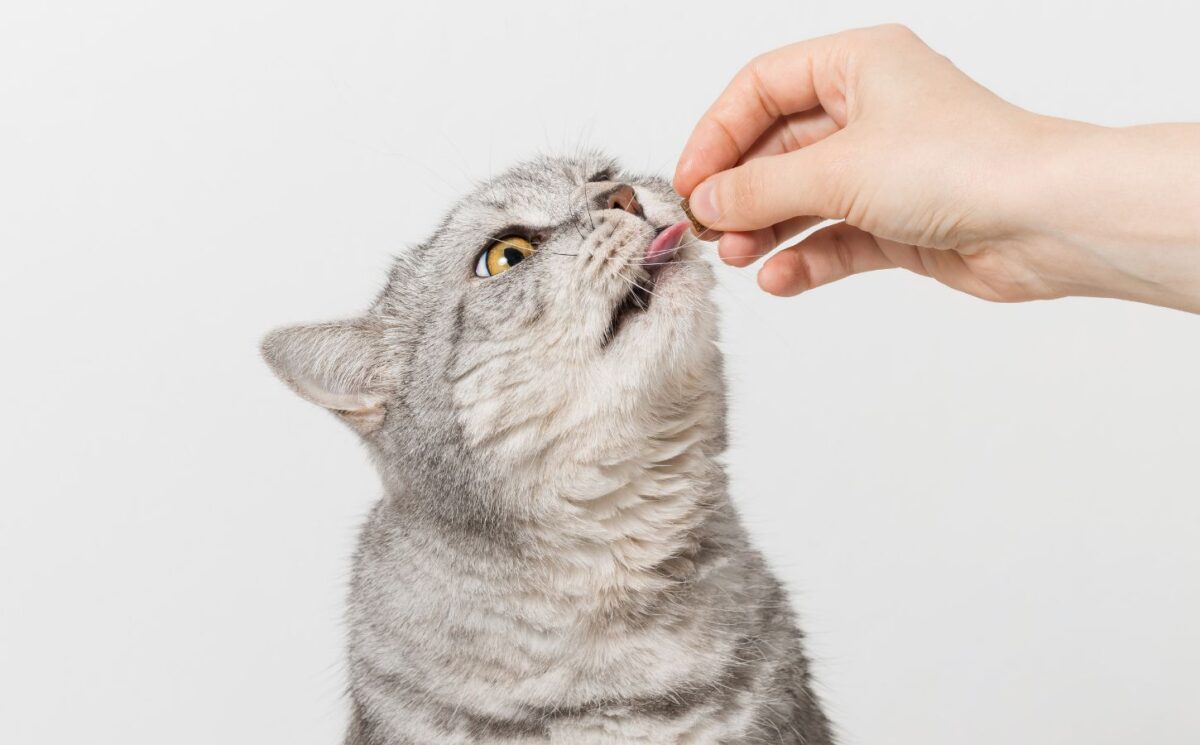
The largest-ever study on plant-based cat diets* is looking for participants.
People with cats in their household can fill out a short survey on the animal’s diet, feeding patterns, and overall health.
Read more: Adfree Cities Calls For A Ban On Factory Farming Advertisements
Professor Andrew Knight of the University of Winchester Animal Welfare Research Group is carrying out the research, the introduction to which says, “Surprisingly little is known about how different cat diets affect the health of cats. This study aims to explore this topic.”
Knight told Plant Based News (PBN) that the survey is expected to include more than 10 thousand cats, and has already passed eight thousand. He explained that participants will be able to support the advancement of knowledge in a “key, emerging area.”
People are increasingly looking for high-quality diets to feed their animal companions, particularly in light of the significant negative impact the meat industry, and by extension, the mainstream pet food industry, has on the environment.
Nutrient density and vegan diets for animals
The highly variable nutrient density of many mainstream pet food brands has also become a topic of discussion. In 2017, one study found that only six percent of wet foods and 38 percent of dry foods in the UK complied with all 11 EU mineral guidelines for complete dog and cat foods. In 2025, Consumer Reports tested 58 dog foods and found that a 2023 batch of Pedigree’s Complete Nutrition Adult Roasted Chicken, Rice & Vegetable contained nearly five times the Association of American Feed Control Officials’ maximum vitamin D content.
At the same time, the vegan pet food market is expected to nearly double in value from USD $10.3 billion in 2024 to approximately $19.7 billion by 2034. In 2024, Wild Earth launched “Unicorn Pate,” the world’s first “nutritionally complete” vegan wet cat food. Also in 2024, Omni and Meatly collaborated to launch the first cans of cat food made with cultivated meat.
Because relatively little data exists on the subject of vegan and vegetarian cats, Knight said that participation from people whose companion animals eat plant-based diets is “especially needed” to help the new survey “fulfil its potential.”
*Editor’s note: This article was corrected on August 24, 2026. It previously stated that Knight’s study is the largest ever on cat diets, which is untrue. The study will be the largest ever on plant-based cat diets, in particular.
Read more: Study Finds Vegan Diets Are ‘Well-Digested’ By Both Dogs And Cats
Well-digested vegan diets for both cats and dogs
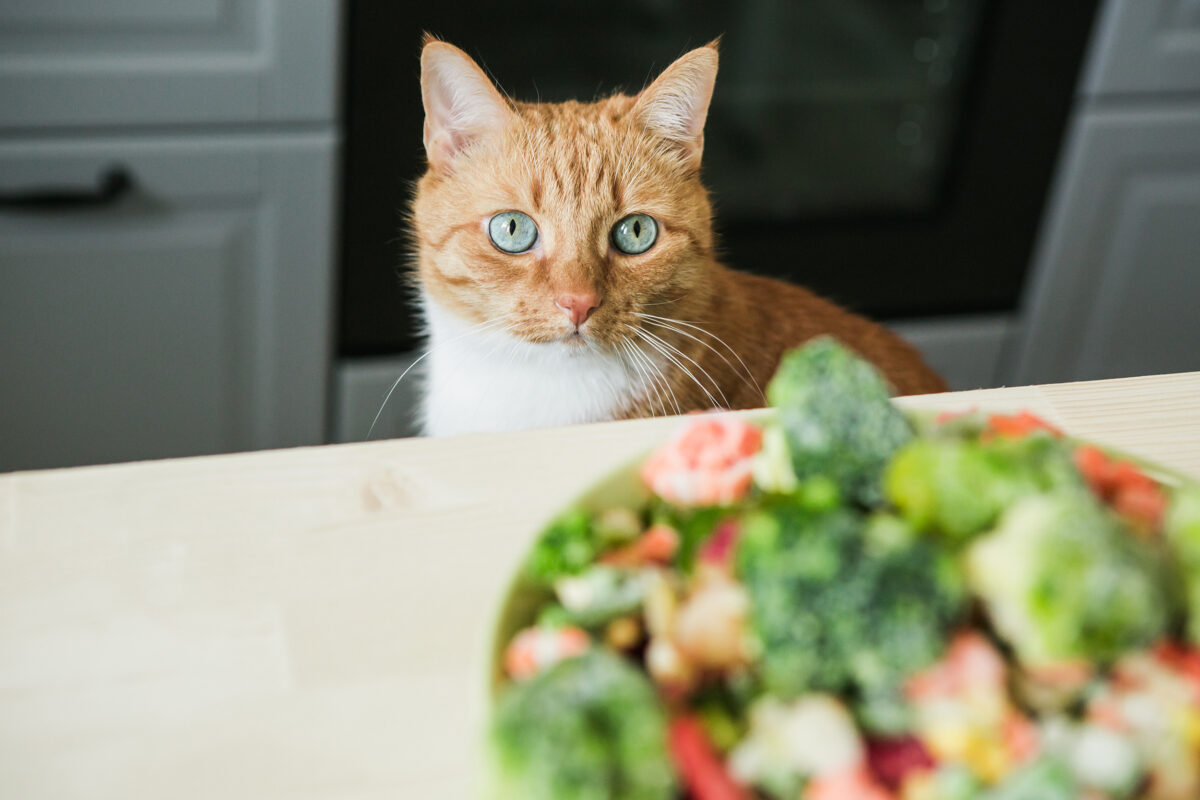
In a study from earlier this year, Knight found that vegan diets are “well-digested” by both cats and dogs. The study found that meat-free diets are “broadly comparable” in digestibility to meat-based diets, but that they benefit from a significantly reduced environmental impact.
Knight said, “I recommend pet carers check product labels. There should be a clear statement that the diet is nutritionally complete. It should come from a good pet food company that can provide information about the steps taken to ensure nutritional soundness, such as working with veterinary nutrition specialists.”
You can fill out the Cat Health Survey 2026 here.
PBN runs a sponsored content model. To explore how you can get featured, please email [email protected] or visit everkinddigital.com