Community
 Print
Print



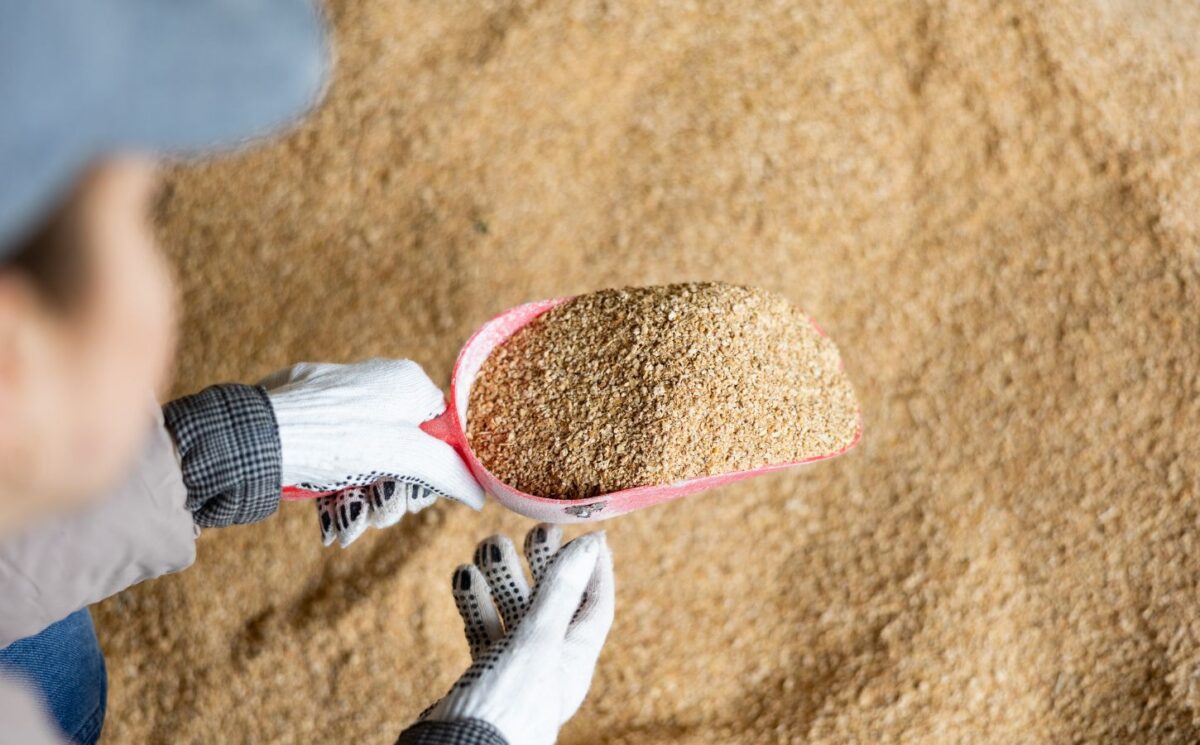
The European Commission (EC) has announced a new Protein Action Plan that prioritizes plant-based proteins for livestock animals, but not for humans.
According to the European Commission, the non-binding plan could help to reduce the bloc’s reliance on imported proteins and reinforce the supply chain. However, it does not mention the urgent need to reduce reliance on animal agriculture, which is deeply inefficient and currently requires around 70 percent of the EU’s plant protein.
Read more: New Project To Investigate Whether Beans, Peas, And Lentils Could Save UK Farming
The five priorities of its Protein Action Plan are resilience, competitiveness, sustainability, equity, and excellence within EU livestock production.
The European Commission said, “By scaling up sustainable domestic protein production, diversifying import sources, reinforcing the supply chain, the EU will create new economic, environmental and rural opportunities across the European protein value chain.”
Eurogroup for Animals welcomed the “positive elements” of the Protein Action Plan, including its recognition of the need to produce more plant proteins domestically, its support for more plant proteins in schools, and better public procurement for seasonal, local, and sustainable foods, which will help make meat-free options more accessible. However, the plan still emphasizes animal agriculture, which is high-emitting, cruel, and bad for human health, rather than diversified diets for humans.
‘The opportunity now is to build on this foundation’
As noted by Eurogroup for Animals, the only binding commitment in the plan is to raise the EU’s animal feed self-sufficiency to 35 percent by 2035, and all other aspects of the plan, including those that the animal protection group welcomed, are optional. It contains no equivalent target for domestic plant-based protein for humans, and no commitment to investing in alternative proteins and novel foods.
Like Eurogroup for Animals, ProVeg welcomed aspects of the Protein Action Plan but called for more emphasis on plant foods for human consumption.
Lucia Hortelano, the EU senior policy manager at ProVeg International, said, “The opportunity now is to build on this foundation. If Europe wants genuine protein resilience and strategic autonomy, it should look not only at the proteins we grow for feed, but also at the proteins we grow directly for people.”
Read more: Japan To Invest $6.2 Billion In Alternative Proteins And Other ‘New Foods’
‘Our current dependency is caused by imbalanced diets’
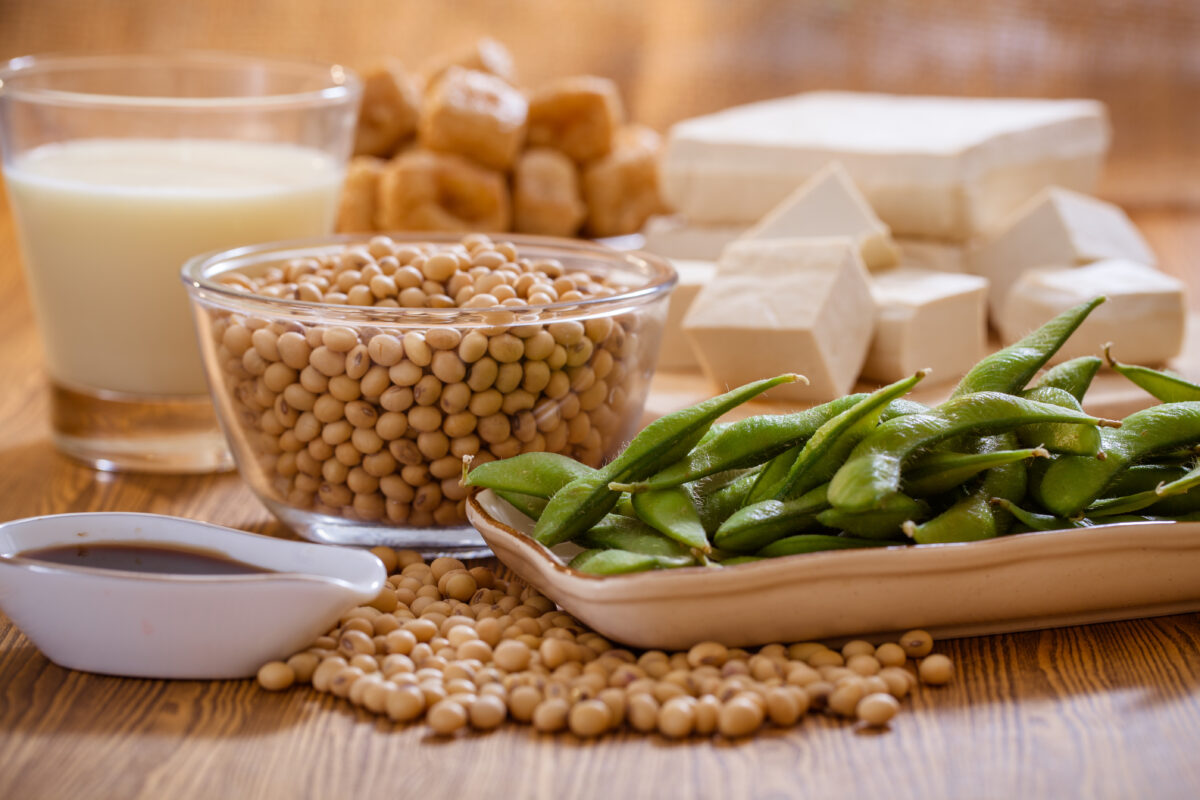
The EU produces 67 million tonnes of plant-based protein per year, but uses 74 million tonnes for animal feed. In total, the EU uses approximately 80 million tonnes of plant protein per year, including food and industrial applications.
Rafael Pinto, senior policy manager at the European Vegetarian Union (EVU), told Food Ingredients First that the Protein Action Plan is an “important milestone,” but added that its goals could be “easily achieved in the next few years simply by increasing human consumption of plant proteins, since our current dependency is caused by imbalanced diets.”
In May, a report by The Protein Project found that doubling fava bean consumption by one bean per person, per day, by 2040, could save the EU €42 million in healthcare costs and €27 million in fertilizer imports. It would also remove the need for 63 tonnes of fertilizer, 350 tonnes of imported proteins, and 209 tonnes of pesticides.
In June, the European Parliament voted overwhelmingly in favor of a ban on “meaty” words from being used on plant-based products and other alternative proteins.
PBN runs a sponsored content model. To explore how you can get featured, please email [email protected] or visit everkinddigital.com