Community
 Print
Print



According to a new in-depth report, the vegan tuna boom in Japan is driven primarily by urban flexitarians.
The report specifically highlighted Good Catch’s Plant-Based Tuna, Sophie’s Kitchen’s Plant-Based Toona, Loma Linda’s TUNO, Vegan ZeaStar’s Tuna, and Worthington’s Meatless Tuna as some of the top brands in Japan.
Read more: SPINS Data Finds The Plant-Based Sector Isn’t Dying, It’s Just Evolving
The report, published by Future Market Insights earlier this month, predicted that Japan’s plant-based tuna market will grow from USD $16.8 million in 2025 to $23.4 million by 2035, reflecting a compound annual growth rate (CAGR) of 3.4 percent.
“The industry remains tightly linked to urban flexitarian consumption rather than mainstream household diets,” wrote Future Market Insights in the report. “Ready-to-eat toppings for rice bowls, onigiri fillings, sushi-style rolls, and salad proteins form the core product segments, with chilled and frozen formats dominating retail distribution.”
The report highlighted Kyushu and Okinawa, Kanto, Kinki, and Chubu as key regions for growth, and specified that Kanto and Kansai account for the highest sales density due to their many restaurants, premium grocery stores, and health food chains.
Japan’s vegan tuna boom has emerged primarily from a national shift in dietary ethics, combined with growing pressure on the supply chains of conventional seafood. Changing definitions of protein quality has also been a contributor.
Read more: Juicy Marbles & Friends Launches Whole-Cut Plant-Based Salmon
Younger consumers are leading trial rates for vegan tuna in Japan
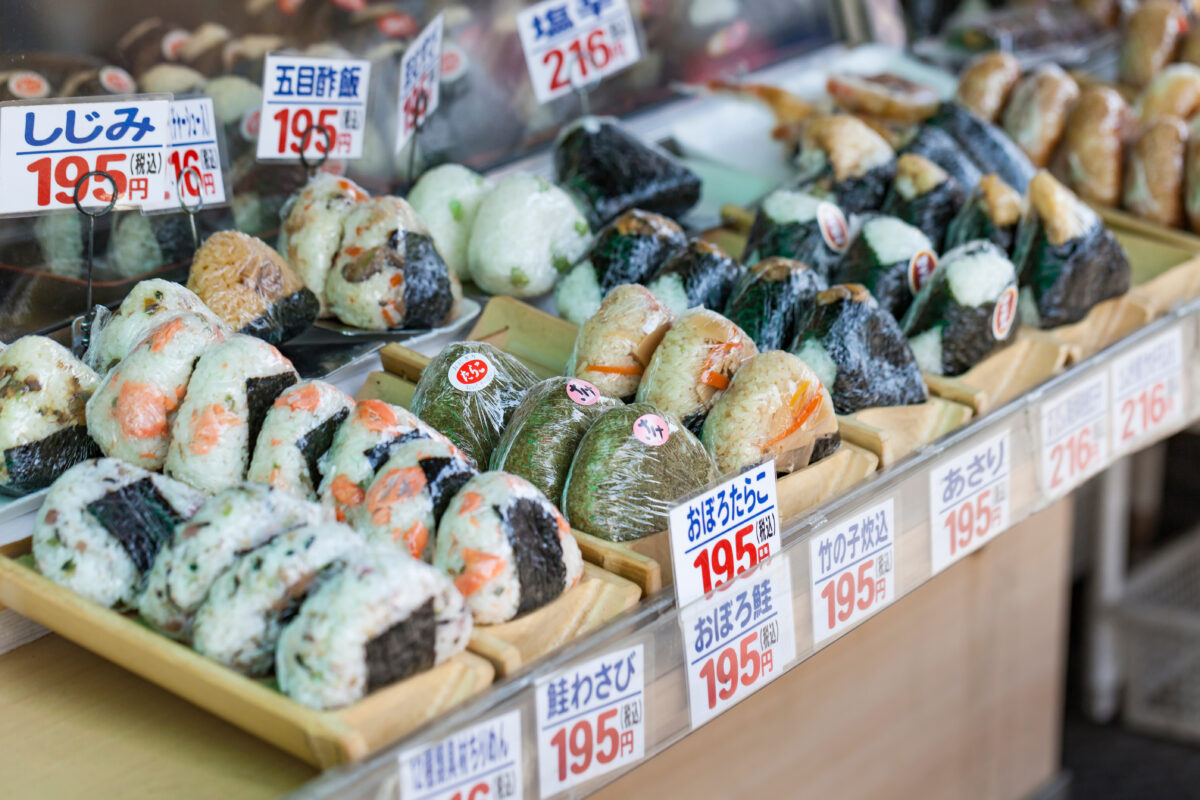
In Japan, tuna features heavily in culturally important dishes such as sushi, rice bowls, and convenience foods, but a combination of environmental concerns, rising seafood prices, and conversations about food system security has “created space” for alternative products and rising flexitarianism.
The report noted that vegan tuna’s future competitive advantage depends on improvements to texture, oil retention in rice dishes, and compatibility with Japanese staples such as soy sauce and vinegar, as opposed to brand storytelling.
“Buyer preference favors suppliers that can demonstrate culinary compatibility with rice bowls, onigiri fillings, and pasta toppings while meeting domestic food additive and labeling standards,” wrote Future Market Insights. “Demand visibility tracks younger consumer trial rates, inbound tourism dining trends, and private label experimentation by major grocery chains.”
Read more: Vegan Tokyo Guide: Where To Eat Plant-Based In Japan This Year