Community
 Print


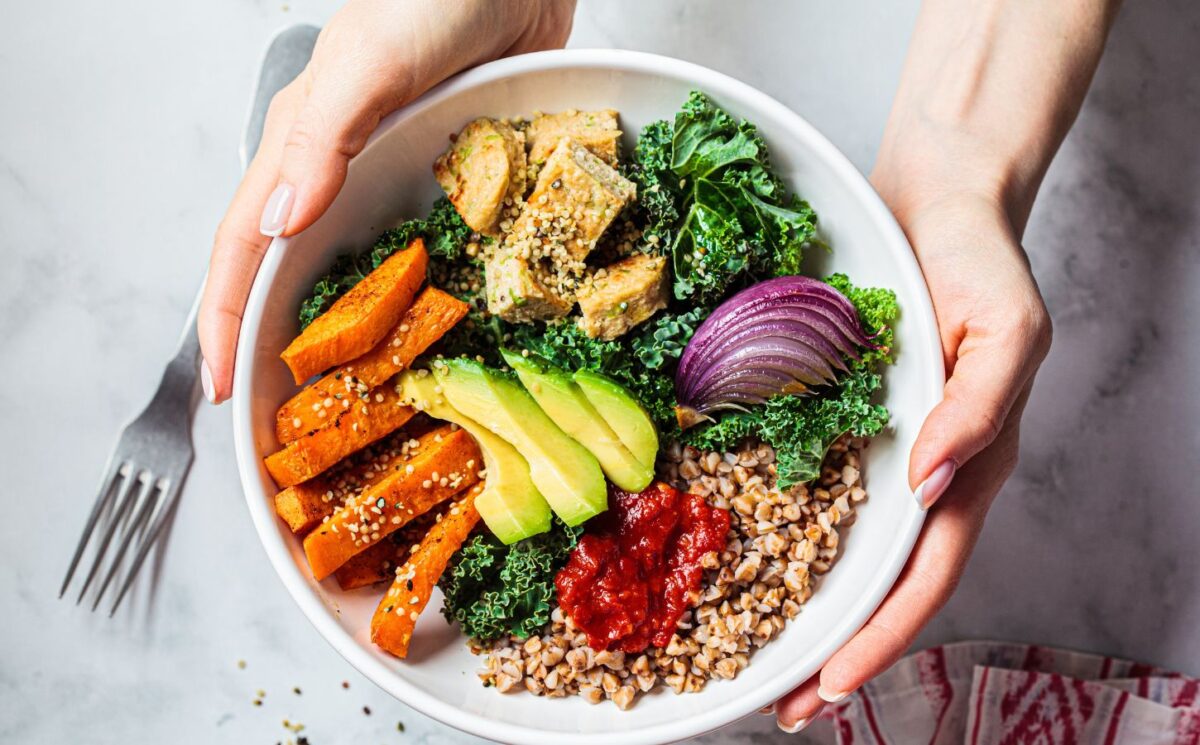
A new report predicts consumers will move away from “fibermaxxing” toward diverse, naturally fiber-rich diets.
According to Mintel’s 2026 Global Food & Drink Predictions, consumers are now “moving from maximization to balance.”
Read more: ‘The Evidence Base Is Thin’: Scientists Analyze The Supposed Benefits Of Carnivore Diets
Mintel said, “By 2030, consumers will shift away from rigid nutritional goals toward a more inclusive, diverse diet. The focus is moving from maximization to balance, and from single-function ingredients to holistic, culturally rooted formulations.”
As reported by the Grocer, data from Worldpanel by Numerator recently revealed that fiber consumption in the UK fell by 0.5 percent from 2025 to 2026, even though Google searches for fibermaxxing were up 170 percent compared to last year.
Fibermaxxing is exactly what it sounds like: radically increasing one’s dietary fiber intake in pursuit of the nutrient’s health benefits.
Fibermaxxing focuses on the “optimization” of fiber consumption, and like many fad diets, tends towards extremes. The recommended daily intake of fiber is around 30g, but some pro-fibermaxxing influencers have suggested consuming up to 100g.
Dietary fiber is an essential part of a healthy diet. Around 96 percent of people in the UK and 95 percent of people in the US do not eat enough of it. However, eating too much fiber, too quickly, can cause gastric distress with no additional benefits.
Consult a healthcare professional before making significant changes to your diet.
Read more: Eating Less Protein Could Boost Health, Longevity
Plant foods and getting more fiber
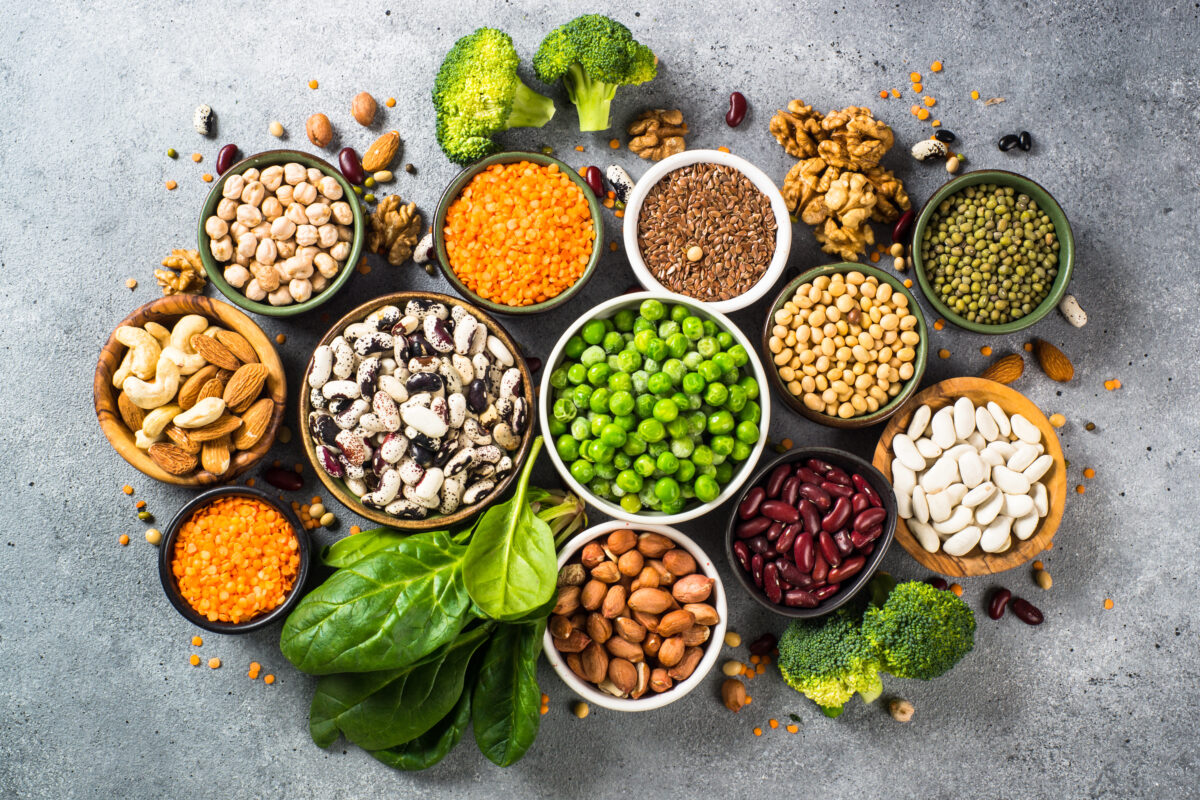
Unlike plant-based foods, animal products contain zero fiber.
For those looking to increase fiber consumption naturally, eating more plant foods – beans, lentils, nuts, fruits, and vegetables, in particular – is a simple way to reach the recommended daily amount without the need for “maxxing” individual nutrients.
In September, a study found that reducing red and processed meat consumption in favor of plant foods could reduce chronic disease cases and promote longevity.
PBN runs a sponsored content model. To explore how you can get featured, please email [email protected] or visit everkinddigital.com