Community
 Print
Print



Fiber is having a moment. Social media is full of people talking about “fibermaxxing,” gut health, and ways to squeeze more fiber into their diets. But while many people know fiber is important, most still fall well short of recommended targets. Curious about what would happen if he dramatically increased his intake, vegan content creator Mark Thompson embarked on a month-long experiment to triple fiber intake and documented every effect along the way.
Thompson, who runs the popular YouTube channel Mark Stache, is known for testing food trends, vegan products, and nutrition-related challenges. He already eats a mostly whole-food, plant-based diet, trains heavily, and was preparing for marathon events during the experiment.
Read more: Fibermaxxing: One Of 2025’s Healthiest Wellness Trends
Despite what many would consider a healthy lifestyle, he discovered he was consuming only around 20 to 25 grams of fiber per day. That came as a surprise, considering adult men are generally advised to consume about 38 grams daily. Thompson notes that the average American gets only around 15 grams. Rather than simply reaching the recommendation, he decided to push far beyond it and see what happened when his daily intake climbed to roughly 60 to 65 grams.
How Thompson tripled his fiber intake
For more 30-day experiments, healthy lifestyle tips, and plant-based recipes, visit the Mark Stache YouTube channel.
Rather than relying exclusively on supplements, Thompson used a combination of products and whole foods to raise his fiber consumption.
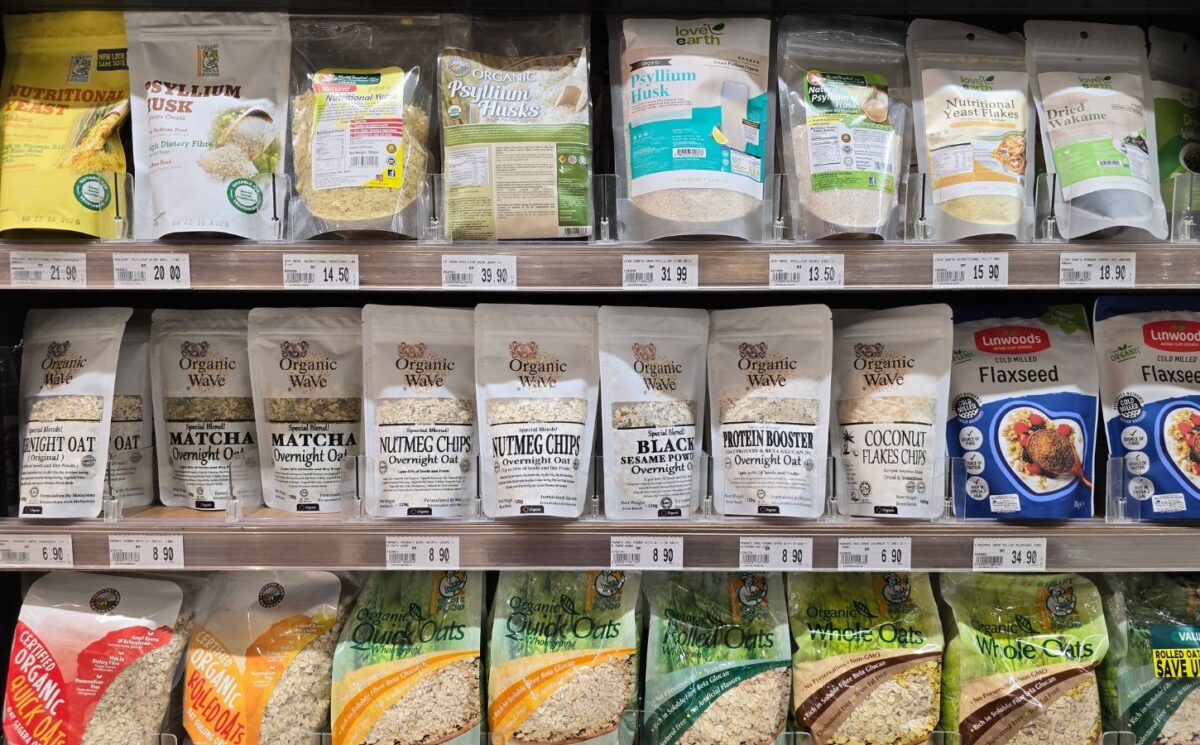
The first addition was psyllium husk, a supplement he describes as one of the best fiber options available. Derived from the husk of a plant seed, psyllium husk is rich in soluble fiber. Thompson explains that just one teaspoon provides around seven grams of fiber. Every morning, he mixed it with water and drank it immediately before it had time to thicken into a gel.
The second addition was a fiber-enhanced soda alternative that provided several grams of fiber per can while remaining relatively low in calories. Thompson admits he enjoyed these more than he expected, using them as a replacement for regular soda and as an easy way to increase his daily fiber intake.
His third strategy involved Mission Carb Balance tortillas. Thompson had already been eating them regularly and was impressed by their nutrition profile. Each tortilla contains 17 grams of fiber and 70 calories. He built at least one meal per day around the tortillas while also increasing his intake of berries and beans.
Altogether, these changes added more than 30 grams of fiber to his normal diet. Combined with the fiber he was already consuming, many days landed between 60 and 65 grams.
“My gut has no idea what’s about to happen,” Thompson says.
Why fiber matters beyond digestion
Before diving into the results, Thompson takes time to explain why fiber is more important than many people realize.
He focuses on soluble fiber, which dissolves in water and forms a gel-like substance in the digestive tract. This slows digestion, helping people stay fuller for longer while causing carbohydrates to be absorbed more gradually.
According to Thompson, the benefits go well beyond appetite control. He explains that gut bacteria ferment soluble fiber and produce compounds known as short-chain fatty acids. These compounds help nourish cells in the colon and are associated with reduced inflammation and improved long-term gut health.
“Fiber isn’t just about digestion,” Thompson says. “It affects your blood sugar, cholesterol, inflammation, how full you feel.”
That broader impact was one of the reasons he wanted to see what would happen when he substantially increased his intake.
Week one brings bloating, gas, and a major adjustment
The first few days were not especially pleasant.
Jumping from roughly 20 grams of fiber to around 60 grams placed a significant burden on Thompson’s digestive system. He experienced bloating, increased gas, and far more bathroom trips than usual.
“If you’re currently getting 20-25 grams of fiber and you suddenly go to 60, you’re going to feel something,” he says.
The discomfort lasted for roughly two to three days before gradually improving. Thompson believes part of the issue was increasing his intake too quickly rather than slowly building up over time. Looking back, he says adding five to 10 grams per week would likely have produced fewer side effects. Experts generally recommend increasing fiber gradually so the gut microbiome has time to adapt.
Although he was uncomfortable, he never felt ill. Instead, it seemed as though his gut microbiome simply needed time to adapt to the sudden influx of fiber.
“So, let’s just say week one was a learning experience, a loud one, an explosive one.”
Week two brings a surprising change in appetite
By the second week, most of the digestive discomfort had disappeared. What replaced it was something Thompson had not anticipated. He stopped feeling hungry.
As someone running around 40 miles per week and lifting weights several times weekly, Thompson is accustomed to thinking about food constantly. Marathon training often left him ravenous. During the challenge, however, he found himself feeling full for much longer after meals.
“The one thing that I really noticed is I haven’t been hungry at all,” he says.
After completing a fasted one-hour run one morning, he ate a modest lunch consisting of one wrap and one fiber soda and still felt completely satisfied. On another occasion, he skipped a planned evening meal because he simply was not hungry.
He attributes this effect to fiber slowing digestion and increasing satiety. The result was a dramatic reduction in snacking and a noticeable drop in calorie intake without consciously trying to eat less.
He also lost two pounds during the second week, though he notes that hydration fluctuations could have played a role.
Weeks three and four: digestion, energy, and cravings improve

By the final half of the experiment, fiber intake had become routine, and his body appeared fully adjusted.
“My digestion started to feel like clockwork,” he says.
He also noticed steadier energy levels throughout the day. The afternoon slump he often experienced became far less noticeable, particularly after long runs. Rather than dealing with energy crashes, he felt more consistent from morning through evening.
His sweet cravings also appeared to diminish. Thompson has previously spoken about his love of sugary foods and desserts, but during the challenge, he found himself reaching less often for extra snacks.
He still enjoyed dates regularly, but he believes the increased fiber helped reduce the intensity of sugar cravings. The fiber sodas may also have helped satisfy the desire for something sweet without leading to additional snacking.
There was one important exception. Because of the digestive changes, Thompson says he would not recommend dramatically increasing fiber during serious race training.
“I had some situations where I had to run home as fast as I could,” he says.
The hydration warning everyone should know
One of Thompson’s biggest takeaways involved psyllium husk. While he plans to continue using it occasionally, he repeatedly emphasizes that it should always be consumed with plenty of water.
“You have to take the stuff with a lot of water,” he says.
Without sufficient hydration, psyllium husk can actually contribute to constipation rather than helping prevent it. Since the fiber absorbs water and forms a gel, adequate fluid intake is essential for it to function properly.
Thompson also discovered that more is not always better. Drinking multiple fiber sodas while also consuming psyllium husk and high-fiber tortillas pushed his intake too far and created additional digestive problems.
Read more: Swap Processed Meat For Plant-Based Alternatives To Boost Fiber, Say Studies
What Thompson plans to keep after the challenge
At the end of the 30 days, Thompson decided that 60 to 65 grams of fiber per day was unnecessary for him long term. Instead, he plans to aim for roughly 30 to 40 grams daily, a level he believes delivers most of the benefits without the discomfort.
The tortillas will remain a regular part of his diet because they make it easy to build fiber-rich meals. Psyllium husk will stay on hand for days when his fiber intake is lower than usual. The fiber soda also earned a permanent place in his routine.
Reflecting on the experience, Thompson says the experiment changed how he thinks about nutrition.
“I think it makes a giant difference for digestion and regularity,” he says.
While tripling fiber intake may not be necessary for everyone, Thompson finishes the challenge convinced that most people would benefit from consuming more fiber than they currently do. For him, the sweet spot appears to be somewhere between the average American intake and the extreme levels he tested over the course of the month.
Please note: PBN runs a sponsored content model. To explore how you can get featured, please email [email protected] or visit everkinddigital.com.