Community
 Print
Print



If you’re vegan or vegetarian, you’ve likely heard some variant of this assertion a thousand times: “You’re not getting enough protein!” Perhaps you’ve heard it so often that the word “protein” is enough to make you lose your appetite.
Fortunately for all mortified plant-based eaters, there is a new study for you to reference when inevitably confronted with the dreaded “P” word. You can simply reply with a resounding, “Guess what? Protein restriction could actually help you live longer.”
Read more: Leading Heart Health Organization Says Eat More Plant Protein, Not Meat
That is exactly what an expansive review of more than 350 papers on protein restriction and aging suggests. Eating less protein could, in fact, keep us healthy by improving metabolism, reducing cellular damage and inflammation, and improving blood sugar control, according to the review, published on July 31 in the scientific journal Cell Press Blue.
Wait, isn’t protein good for you?
Protein is absolutely still good for you. It is an essential building block for our bones, muscles, blood, skin, cartilage, and more. We need it to repair cells and tissues, boost immunity, and support vital body processes like blood clotting and fluid balance.
In an article for News Medical, Cell Press notes that some studies focused on older adults have shown that consuming more protein could “promote weight loss and reduce age-related muscle loss” when combined with exercise.
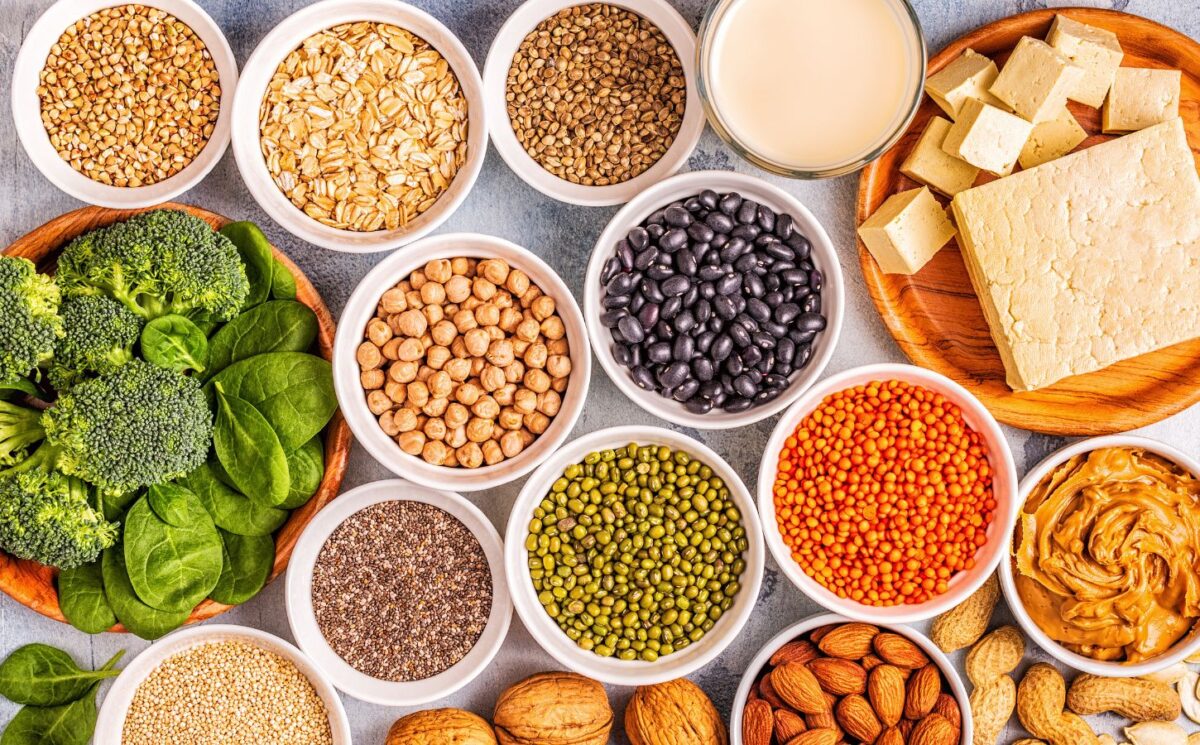
These studies notably informed the new US Dietary Guidelines, released by the Trump Administration in January of this year, which recommend consuming 1.2 to 1.6 grams of protein per kilogram of body weight per day. This amount is twice as much as the previous guidelines and the Recommended Dietary Allowance of 0.8 grams of protein per kilogram of body weight each day. However, foods such as legumes, grains, tofu, tempeh, nuts, and seeds can all contribute to meeting this target on a plant-based diet.
Then what about the new study?
The researchers from the University of Wisconsin-Madison who authored the review agree that protein remains highly beneficial. However, because so many people live a sedentary lifestyle, humanity’s average protein requirements are simply not as high.
“It’s absolutely crystal clear that there are benefits of protein to muscle growth and exercise response of active individuals,” said Professor Dudley Lamming, co-author of the review, in a press release from Cell Press. “But because most people are relatively sedentary, many people are likely consuming more protein than they actually need, which probably has negative health consequences.”
The fact that Americans and older adults have been encouraged to increase their protein intake drove Lamming and his colleague to review research on protein restriction and longevity carried out over decades.
Read more: Scientists Discover How To Grow Muscle Protein Gene Inside Plants
What the research revealed

The review highlights that a hormone called fibroblast growth factor 21 (FGF21) may rise when a person’s protein intake is low. This hormone can reduce inflammation, improve blood sugar levels, and lead the body to use more energy, essentially by burning more calories. The research also showed that when consumed in excess, several amino acids (the building blocks of protein) can activate biological processes in our bodies that could increase the risk of inflammation, obesity, and age-related illness.
“These studies show that the amount of protein sedentary people are eating today may have negative health consequences, at least at the population level,” Lamming said.
The pathologist, who is a Professor in the Department of Medicine’s Division of Endocrinology, Diabetes and Metabolism at the UW-Madison School, noted that some people, like pregnant women and older adults, can benefit from a higher protein intake, but most sedentary adults have no need for protein-infused foods or for adopting the “protein maxxing” trend.
In the case of athletes and people who exercise regularly, Lamming mentioned that protein may be used to build strong, healthy muscles. This safeguards them from any ill effects of consuming too much protein.
“We probably need to personalize protein recommendations based not just on age, but also on how physically active people are,” he said.
Please note: PBN runs a sponsored content model. To explore how you can get featured, please email [email protected] or visit everkinddigital.com.