Community
 Print
Print



Most people looking for foods that reduce dementia risk think of leafy greens or berries, but a new breakdown from Plant Based Science London shines a light on some far less predictable foods.
The channel, known for simplifying nutrition research into accessible videos, explores how five everyday plant foods may support long-term brain health, thanks to a lesser-known flavonol called isorhamnetin.
Read more: Processed Red Meat May Increase Dementia Risk, Says Study
The team’s mission is to translate complex findings into practical information, and this new video focuses on how certain plant-based foods could play a meaningful role in reducing dementia risk.
Inside the study
The video highlights a new analysis based on data from the Health and Retirement Study, which includes 6,280 participants. Each person completed a detailed food-frequency questionnaire covering 163 foods and beverages across 12 months. From these responses, researchers calculated intake levels for 101 different nutrients and then assessed how each one related to dementia risk.
The narrator explains that the team adjusted for age, race, sex, BMI, education, smoking, alcohol intake, and physical activity before identifying several promising nutrients. According to the video, the standout was isorhamnetin, a flavonol now gaining attention in dementia research due to its wide-ranging neuroprotective potential. The narrator says that “those with the highest intake of isorhamnetin had a 38% lower rate of developing Alzheimer’s compared to those with the lowest intake.”
Why isorhamnetin is getting attention
The video notes that amyloid plaques are a hallmark of Alzheimer’s disease. The narrator explains that isorhamnetin “has been shown in vitro and animal studies to block amyloid plaque accumulation and even promote its clearance,” which may help reduce neurotoxicity and slow cognitive decline.
They also mention that isorhamnetin is a naturally occurring flavonol found in fruits and vegetables, and that it is present in ginkgo biloba, a supplement sometimes used in alternative health spaces for dementia.
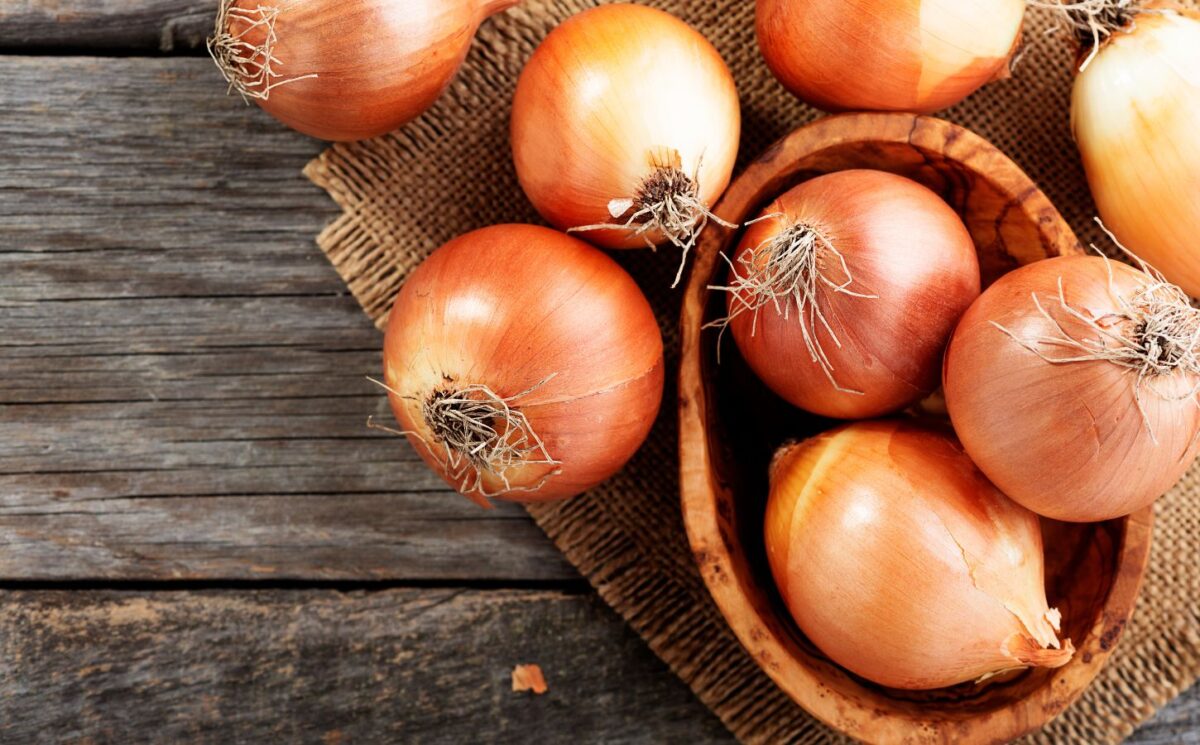
The five foods highest in isorhamnetin, according to the video, are onions, almonds, cherries, pears, and tomato sauce. This makes them key foods that, according to the findings discussed, reduce dementia risk.
Sugar intake and dementia
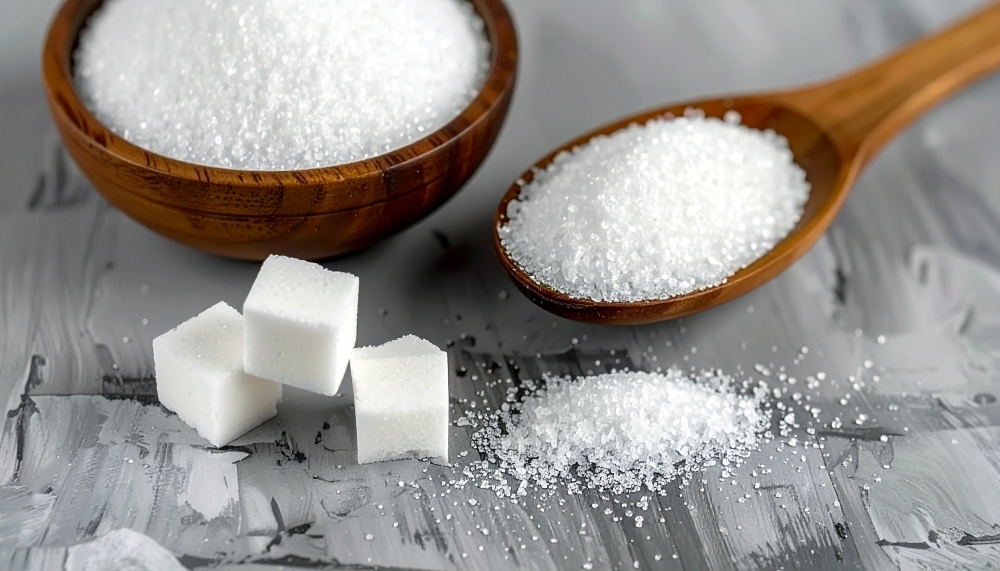
Alongside the protective nutrients identified, the video highlights one notable risk factor. The narrator says the study found that “high sugar intake was related to an increased risk of dementia.” While the video does not go deeper into mechanisms, it highlights this as an important contrast: increasing isorhamnetin intake may be beneficial, but high sugar consumption may raise dementia risk.
Important limitations
The narrator also stresses that the study has several limitations. Because participants had to recall what they ate over the previous year, the narrator says this approach “does leave lots of room for bias, forgetfulness, and guessing.”
Additionally, the research did not adjust for genetics or environmental factors, both of which play a major role in dementia development. And as the narrator emphasizes, “these kinds of studies show an association and not necessarily a direct causal relationship.”
Even with these limitations, the video concludes that adding more onions, almonds, cherries, pears, and tomato sauce – all high-isorhamnetin options – while reducing processed sugar intake “can surely be only a good thing.”
Plant Based Science London continues to make emerging nutrition science easier to understand, and this latest breakdown raises awareness of how certain plant foods may serve as foods that reduce dementia risk as part of an everyday diet.
For more plant-based health and nutrition content visit Plant Based Science London’s YouTube channel.
Read more: Even Low-Level Consumption Of Processed Meats ‘Not Safe,’ Says Study