Community
 Print
Print



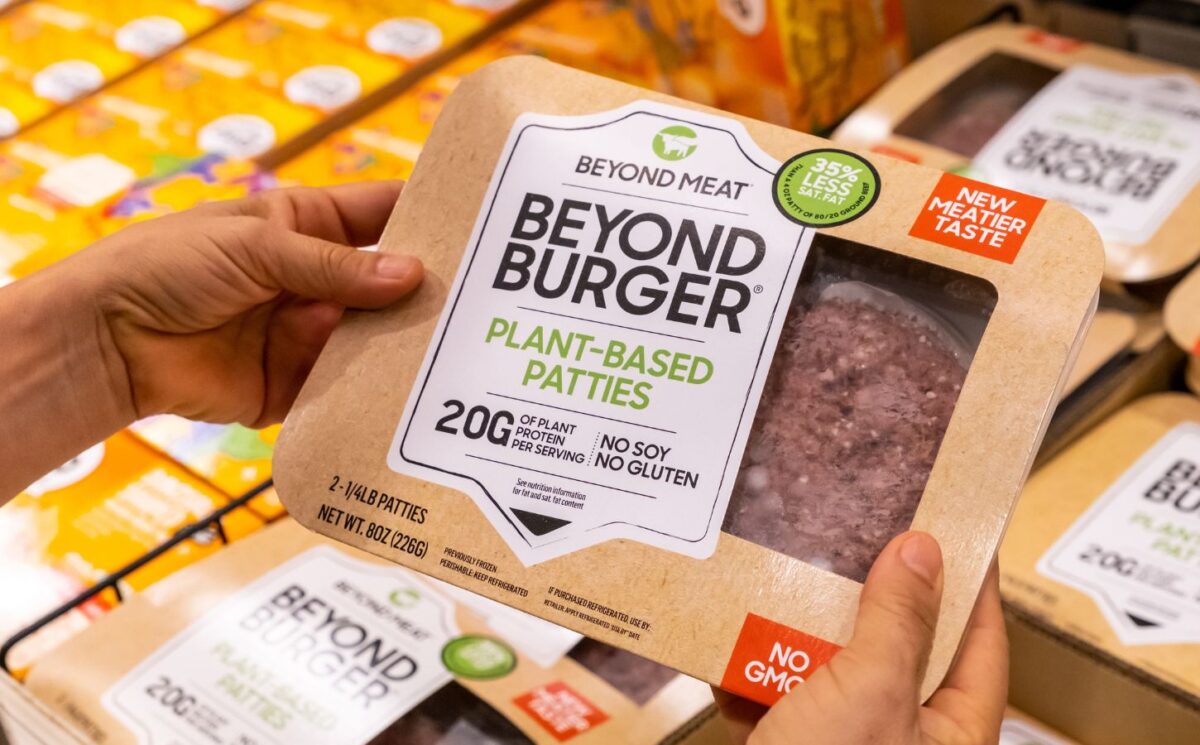
The European Parliament has voted to ban a long list of “meaty” words from being used on plant-based products and other alternatives, such as cultured meat.
The ban is still provisional and will need final approval from the Council of the European Union before coming into force. There is no fixed legal deadline for this.
Read more: Animal Agriculture Is Responsible For The UK’s 40C Heatwave
With 560 in favour, 75 against, and 25 abstentions, MEPs voted overwhelmingly in favor of what the European Parliament called “new measures to support farmers.”
These include protections for dairy producers, new rules for marketing, and the definition of meat as the “edible parts of an animal,” thereby excluding plant-based and other animal-free alternatives from the use of certain meat-related words.
The banned words are: Beef, veal, pork, poultry, chicken, turkey, duck, goose, lamb, mutton, ovine, goat, drumstick, tenderloin, sirloin, flank, loin, steak, ribs, shoulder, shank, chop, wing, breast, liver, thigh, brisket, ribeye, T-bone, rump, and bacon.
‘This decision will remove consumer choice’
While consumer confusion has been cited by various proponents of a ban on the explicit marketing of plant foods as meat alternatives, research indicates that consumers are neither concerned or even particularly interested in the issue.
Alistair Currie, the public affairs and policy manager at The Vegan Society, previously said, “This decision will remove consumer choice, stifle innovation in the vegan food sector, increasing costs to businesses that will need to re-label and re-market products with new names and descriptions. None of these benefits the consumer.”
Plant-based and cultured meat producers will still have a three-year transition period to clear all existing stock and ensure their future products comply with the ban.
Read more: The EU Has Banned Dozens Of Veggie Food Names, What’s Next?
‘The climate transition requires making more sustainable food choices easier, not harder’
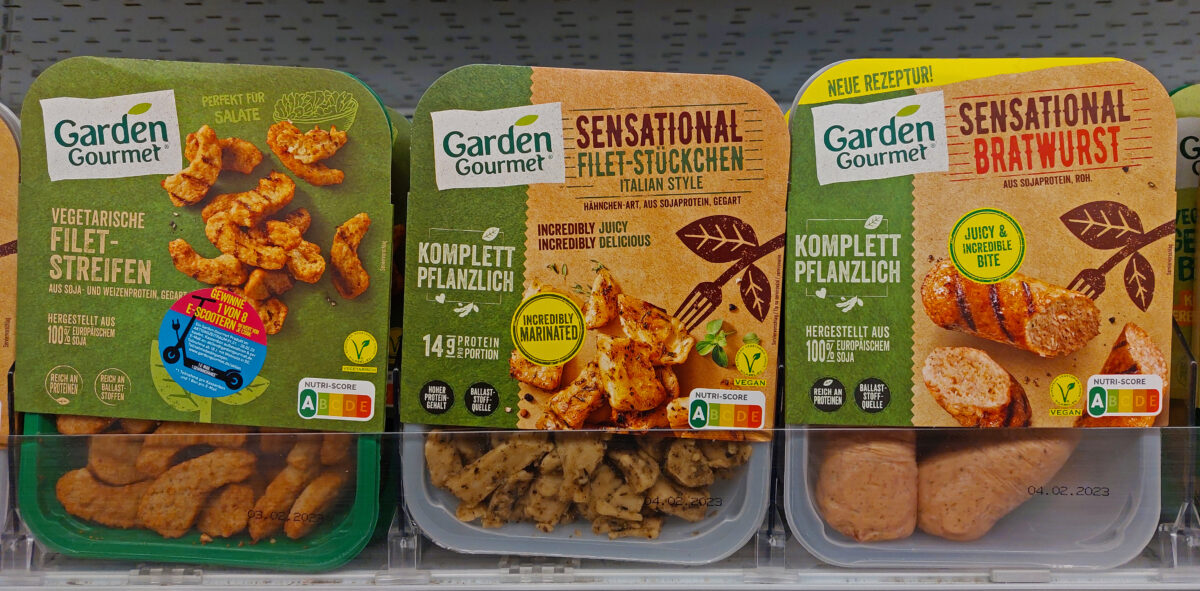
Several reports have found that plant-based and alternative proteins are better for the planet and human health than animal products. The European Parliament’s decision to restrict the labeling of plant-based foods notably came the week before France recorded its hottest day ever amid a punishing heatwave.
Last year, a peer-reviewed paper argued that animal agriculture was responsible for 53 percent of the global average temperature rise between 1750 and 2020.
“The climate transition requires making more sustainable food choices easier, not harder,” Jasmijn de Boo, the CEO of ProVeg, told Euronews Green in March.
“Plant-based foods typically have a significantly lower environmental footprint than animal-based products, including lower greenhouse-gas emissions and land use, so policies should support their development and uptake,” she added.
PBN runs a sponsored content model. To explore how you can get featured, please email [email protected] or visit everkinddigital.com