Community
 Print
Print



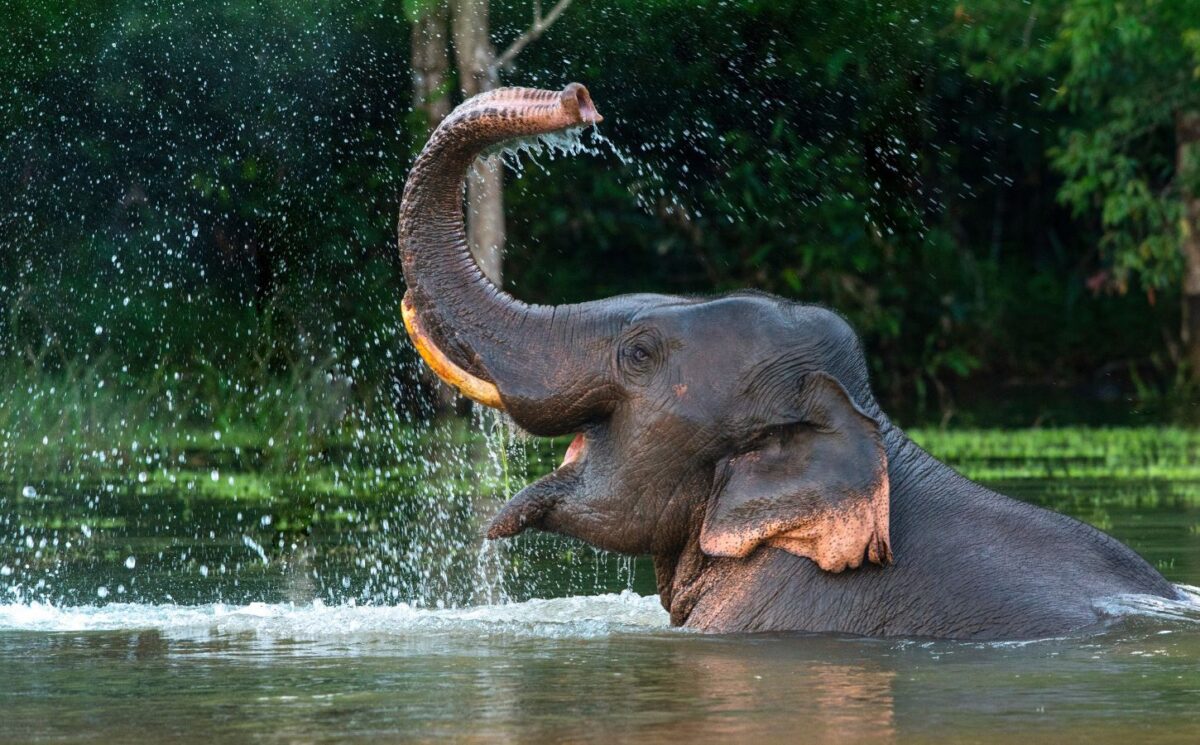
Indonesia has banned elephant rides in zoos nationwide.
The Indonesian Ministry of Forestry has decided to ban elephant riding at all zoos and conservation centers. Animal welfare organizations welcomed the news and described it as a “historic step” for elephants in Southeast Asia.
Read more: Norway Makes ‘Historic’ Decision To Phase Out Fast-Growing ‘Frankenchickens’
Indonesia’s Ministry of Forestry’s Directorate General of Natural Resources and Ecosystem Conservation formally ended the riding of captive elephants late last year, and the government warned that failure to comply would result in revoked permits.
According to World Animal Protection, Bali’s Mason Elephant Park halted elephant rides at the end of January after receiving multiple warnings. It was one of the last venues in the country to still offer elephant rides, and is now reportedly transitioning to ethical, observation-based experiences instead.
“We congratulate the Indonesian Government on taking this world-leading step to safeguarding the dignity of wild animals,” said Suzanne Milthorpe, the head of campaigns for World Animal Protection ANZ.
“The ending of elephant rides in Indonesia sends a strong signal to the wider tourism industry that we’re entering a new chapter of more responsible wildlife tourism,” she continued. “This wonderful win for elephants comes after years of tireless advocacy and on‑the‑ground engagement.”
Elephants are sentient, sensitive, and generally viewed as one of the most intelligent non-human animals on the planet. A 2001 study found that they can craft and use tools, and have a “volume of cerebral cortex available for cognitive processing that exceeds that of any primate species,” while a more recent study from 2024 found that elephants invent and call each other names, just like humans do.
Read more: Wella Cancels Milan Fashion Week Sponsorship Over Fur Use
‘Born Free strongly advises people not to ride elephants’
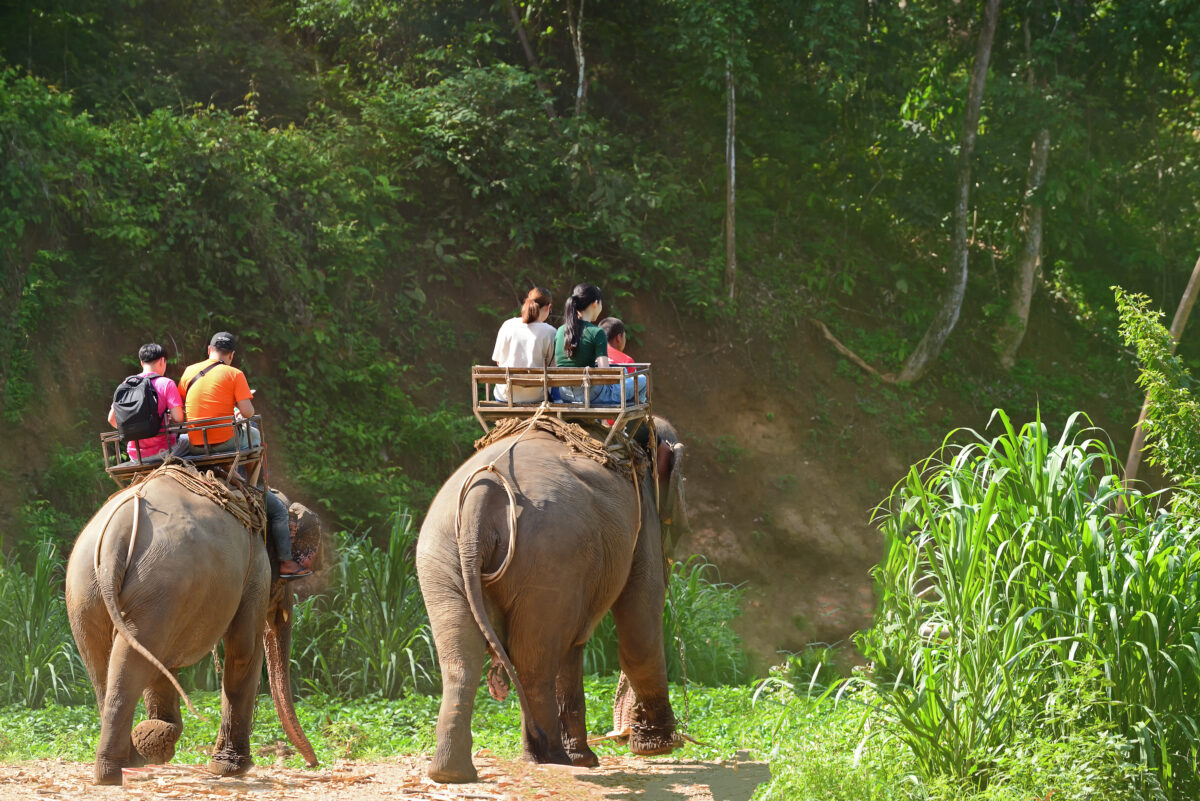
Animal welfare experts and scientists alike recognize elephant riding as harmful, as it often involves painful and stressful training, restricts natural behavior, and causes long-term physical and psychological damage. Elephants have been known to attack and even kill their keepers, particularly after experiencing long-term abuse.
As noted by Chris Lewis, the captivity research and policy manager at Born Free, elephants are also not designed to carry heavy loads on their backs. As with horses, the consistent weight of human riders can cause elephants chronic pain, abrasions and sores, open wounds, vertebral damage, and muscle degeneration.
“Indonesia’s decision reflects growing public awareness that animal welfare matters, with many tourists seeking to engage in ethical wildlife tourism,” wrote Lewis. “We call on tourism operators, policymakers, and the public to support this transition and reject harmful practices that exploit wildlife across the globe.”
He added, “Born Free strongly advises people not to ride elephants or to participate in other close contact activities with elephants or any other wild animal.”
Read more: Meat-Heavy US Nutrition Guidelines Will Require Millions Of Acres Of New Farmland