Community
 Print
Print




Nearly half of German adults now drink plant-based milk alternatives.
According to a new survey conducted by research firm INNOFACT on behalf of Danone Germany, dairy-free milk is now mainstream nationwide. Most of the dairy-free milk-drinkers said health motivates them to choose plant-based.
Read more: Over Half Of Canadians Want To Eat More Plant-Based Foods, But Not Why You Think
Forty-seven percent of those surveyed reported consuming plant-based milk alternatives. Among younger adults aged 18 to 29 and households with children, that rises to 56 percent, while for people aged 30 to 49, it rises to 52 percent.
Women and flexitarians were also more likely to purchase plant milk than other respondents, and 18 percent of the people included in the study regularly drink it.
Oat milk was the most popular variety overall (48 percent), followed by almond milk (34 percent). However, amongst vegetarians, soy milk remains the most popular option (30 percent). Forty-nine percent of the survey respondents said that health was their primary motivator, while 46 percent said that theirs was animal welfare.
Among those who do not buy or drink plant-based milks, respondents said that taste and price were the main deterrents for uptake. While just 34 percent were aware that dairy milk is taxed at a lower rate than alternatives, 61 percent said they were in favor of equalizing the tax rates, which 17 percent said would incentivize purchase.
As reported by Yumda, the vast majority of respondents – 75 percent – also said they would pay more for nutrient-dense, fortified plant-based milk products. Those surveyed remained mindful of calcium, vitamin D, and vitamin B12 intake.
Read more: The UK Sugar Tax Will Now Include Plant-Based Milk Alternatives, But Not Dairy
Plant-based milk no longer niche in Germany
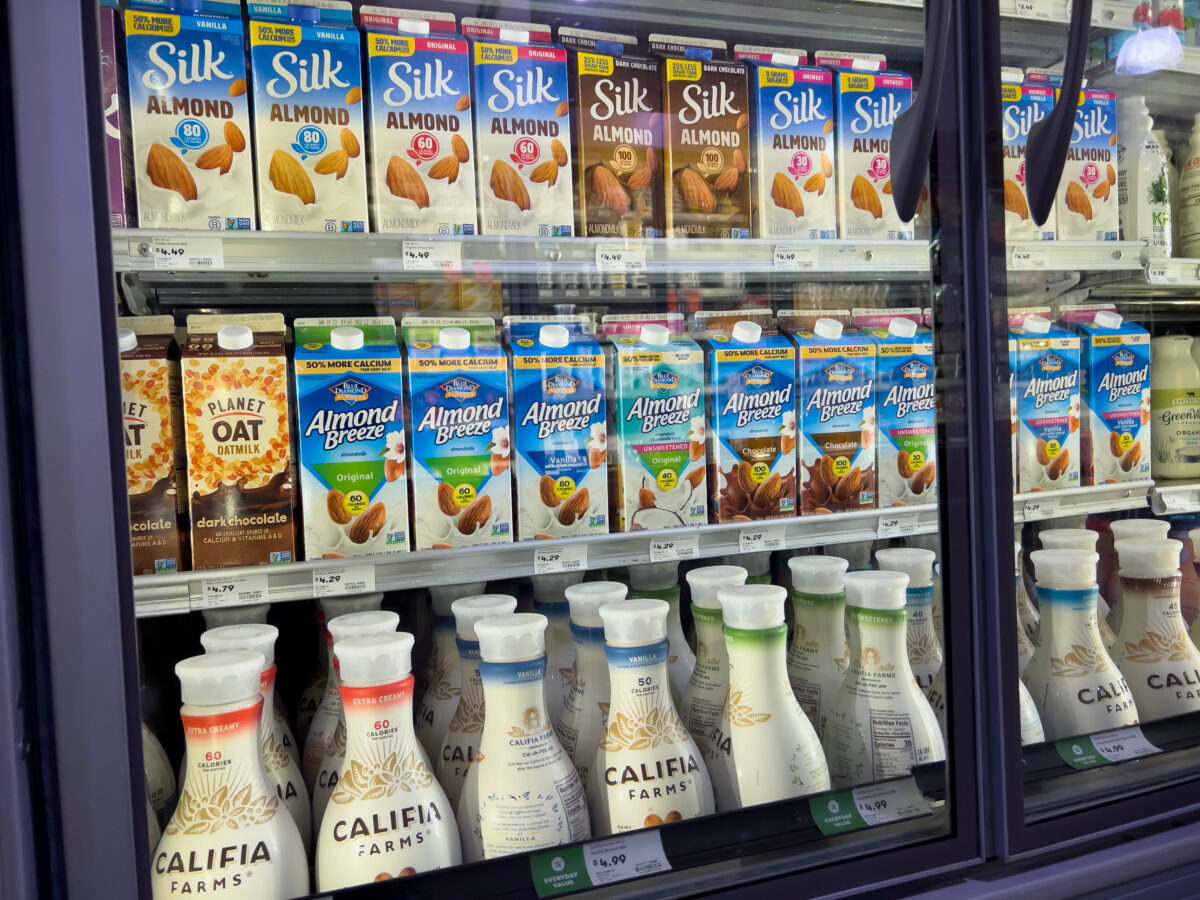
The survey’s results suggest that plant-based milk’s popularity spans consumer segments, officially making dairy-free products mainstream in Germany.
“Our mission is to make healthy eating accessible to all. The results clearly show that plant-based milk alternatives are no longer niche products and have established themselves as an integral part of a balanced diet,” said a Danone spokesperson.
“Consumers want products that are not only plant-based but also rich in nutrients,” the spokesperson continued. “This encourages us to communicate the benefits of added vitamins and minerals even more clearly – and to focus more on trace elements such as iodine. At the same time, we are campaigning for fair framework conditions, such as the VAT reduction for plant-based drinks to 7 percent.”
In 2024, the German Nutrition Society updated its position on plant-based diets to acknowledge their benefits for health and the environment. Research also shows that Germany could create up to 250,000 jobs and receive a a €65 billion economic boost if the country supports alternative protein production and uptake.
INNOFACT and Dana spoke with a representative sample of 1,532 people, in Germany, in October 2025, for their survey.
Read more: Plant-Based Food Labels That Highlight Protein Could Increase Uptake By Over 100%, Says Study