Community
 Print
Print



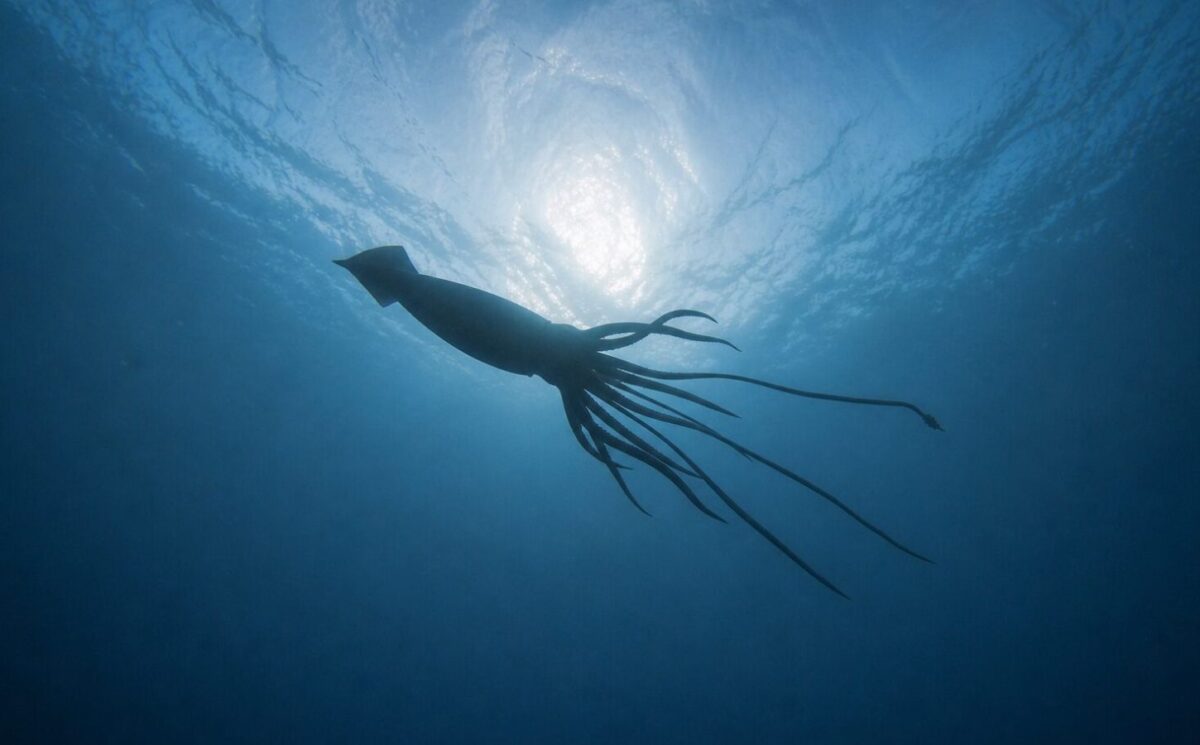
Scientists have found evidence of diverse marine life, including the giant squid, while investigating deep-sea canyons off the Australian coast.
The elusive giant squid can grow to up to 43 feet (13 meters) long, which is about one and a half times the length of a London double-decker bus.
Read more: This Netflix Film About An Octopus Could Make You Rethink Seafood
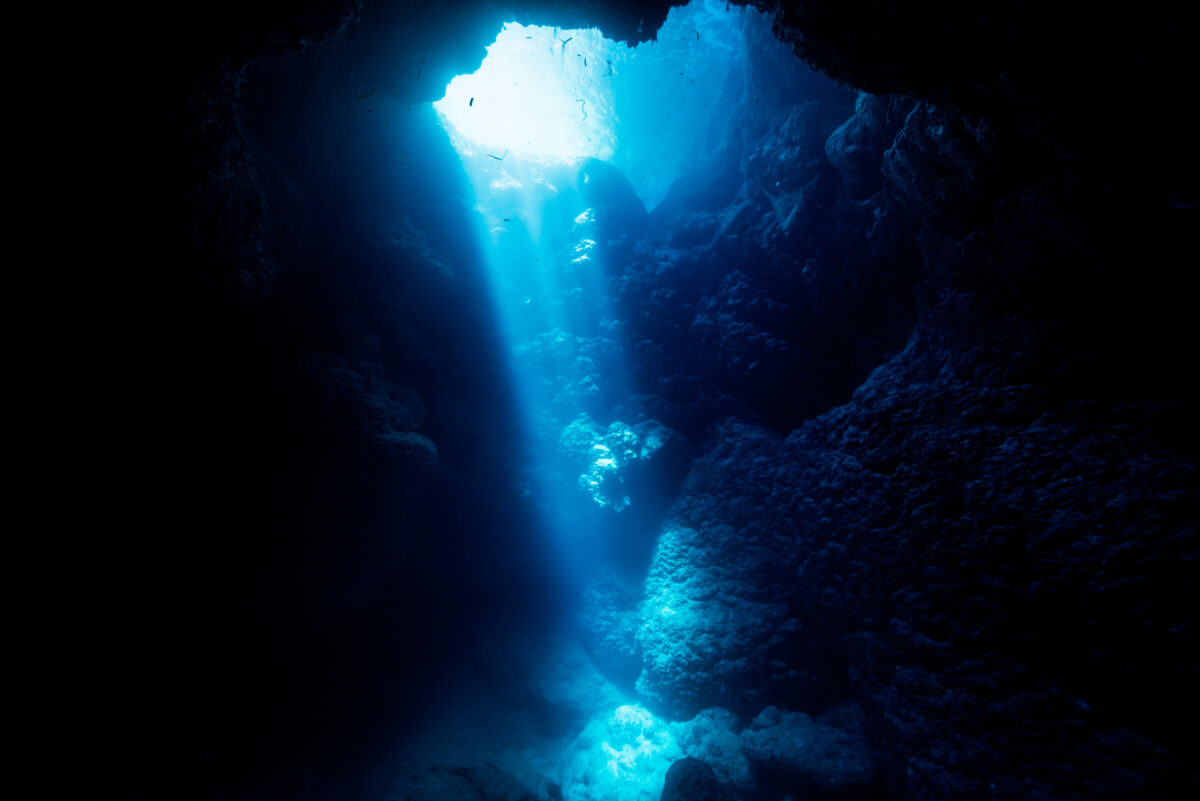
In a study and expedition led by Perth’s Curtin University and the Western Australian Museum, scientists explored deep underwater canyons in the Indian Ocean.
The team collected data by taking more than 1,000 DNA samples from depths of up to 14,797 feet (4,510 meters), roughly half the height of Mount Everest. They found evidence of the pygmy sperm whale, Cuvier’s beaked whale, and giant squid.
As reported by SciTechDaily, they found evidence of 226 species across 11 major animal groups, including rare deep-sea fish, squid, marine mammals, cnidarians (aquatic invertebrates), and echinoderms (such as starfish and sea urchins).
The scientists also found dozens of species never previously recorded in Western Australian waters, such as the sleeper shark, faceless cusk eel, and slender snaggletooth (a ray-finned fish).
In the study, published by Environmental DNA in March, the team said their results demonstrated the efficacy of DNA surveying in “establishing ecological baselines and informing conservation practices,” particularly amid “growing anthropogenic pressures” that “threaten these unique ecosystems.”
Read more: Mexico Introduces Bill To Ban Octopus Farming Due To High Mortality Rates
‘There is a vast amount of deep-sea biodiversity’
Georgia Nester, a deep-sea postdoctoral researcher at the Minderoo Foundation, former Curtin University PhD student, and the study’s lead author, said, “Finding evidence of a giant squid really captures people’s imagination, but it’s just one part of a much bigger picture.”
We found a large number of species that don’t neatly match anything currently recorded, which doesn’t automatically mean they’re new to science, but it strongly suggests there is a vast amount of deep-sea biodiversity we’re only just beginning to uncover.”
Please note: PBN runs a sponsored content model. To explore how you can get featured, please email [email protected] or visit everkinddigital.com