Community
 Print
Print



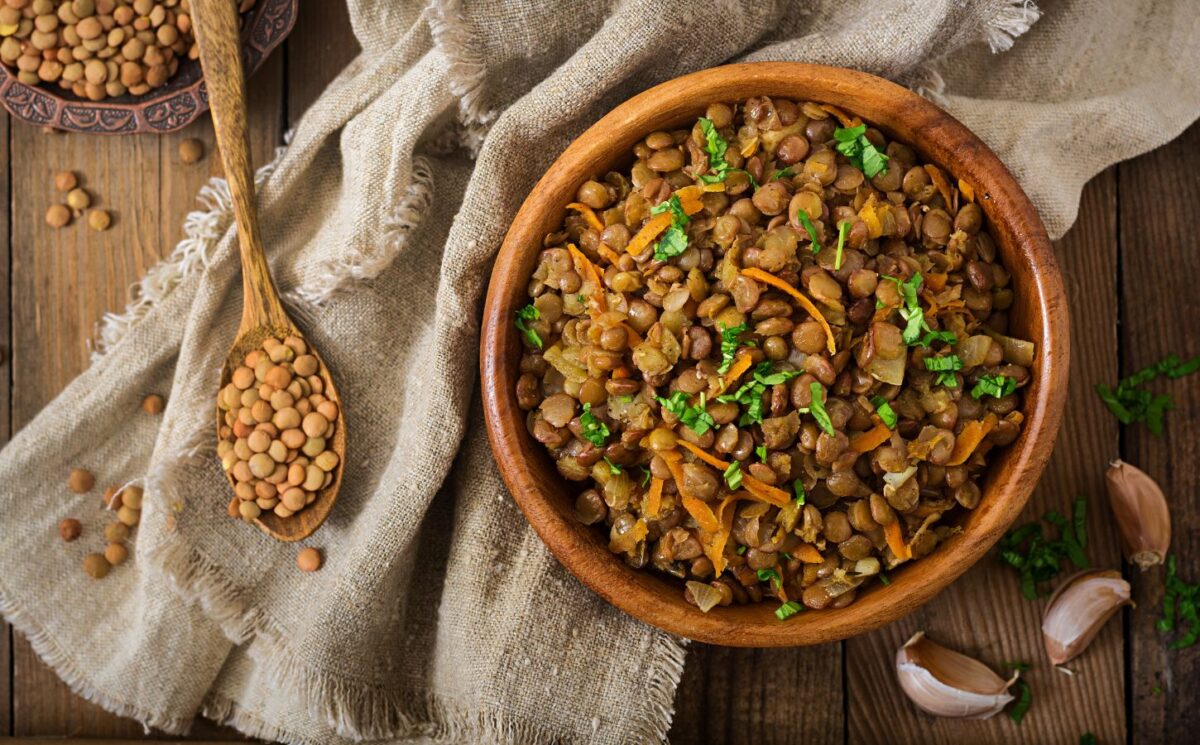
Lentils often get grouped nutritionally, but new research highlighted in a recent video suggests the differences between varieties may be more significant than many people realize. In a video exploring the health benefits of green lentils, Plant Based Science London breaks down evidence showing that one common lentil beats the rest in antioxidants, fiber, and metabolic health markers.
Plant Based Science London is a YouTube channel that translates nutrition research into short, accessible videos to help viewers understand the benefits of plant-based foods in practical terms. In this episode, the channel reviews findings discussed by physician and nutrition researcher Dr Michael Greger, founder of NutritionFacts.org, who examines studies comparing lentil varieties and their effects on health.
Read more: 17 Vegan Lentil Recipes For Cheap, Nutritious Meals
A surprising result on antioxidant levels
Nutrition science often emphasizes deeply colored foods as the most nutrient-dense. The video opens by explaining that this rule generally holds in plant foods, but lentils appear to be an exception.
Greger says, “Lentils were another big surprise. I would have guessed black or red lentils to be up there with brown or green at the bottom. But green lentils have about four times the antioxidant power of red ones.”
This finding challenges the assumption that darker lentils, such as black beluga varieties, automatically provide the most antioxidants. Instead, green lentils rank unexpectedly high, placing them among the strongest performers in this category.
Antioxidants are compounds that help neutralize oxidative stress, a process linked to inflammation, cardiovascular disease, and aging-related conditions. Higher antioxidant intake is consistently associated with lower disease risk in large epidemiological studies.
Protein and fiber advantages of green lentils
The video also highlights the macronutrient profile of green lentils, noting that they compare favorably even among other legumes.
According to the narration, “Green lentils rank among the top plant-based sources of protein behind soya, hemp, and lupin beans, supplying almost 30% of their calories as protein.”
This level of protein density makes lentils particularly valuable in plant-based diets, where legumes often serve as a primary protein source. Beyond protein, fiber is another major advantage.
The video explains that green lentils contain more total dietary fiber than commonly available red, yellow, brown, or black lentils. Fiber intake is associated with improved gut health, reduced cholesterol levels, and better blood sugar control. It also helps reduce inflammation by supporting beneficial gut bacteria and promoting the production of short-chain fatty acids.
These factors contribute to the growing interest in the health benefits of green lentils, particularly for people at risk of metabolic disease.
The 12-week lentil study: cholesterol, glucose, and inflammation
One of the most striking findings discussed in the video comes from a controlled dietary study examining the effects of regular green lentil consumption.
Participants in the intervention group consumed seven prepared midday meals per week containing green lentils. The total intake amounted to about 980 grams of cooked lentils weekly, or roughly 140 grams per meal. A control group received similar meals, but with meat instead of lentils.
Researchers measured fasting blood markers and post-meal responses, including blood glucose and inflammation indicators.
After 12 weeks, the lentil group showed several significant improvements, including lower LDL and total cholesterol levels, reduced post-meal glucose spikes, and decreases in inflammatory markers.
The video explains that plasma levels of interleukin-17 and interleukin-1 beta declined significantly. These molecules are pro-inflammatory cytokines involved in immune signaling and chronic inflammation pathways.
Lower levels of these markers suggest reduced systemic inflammation, which is linked to a lower risk of cardiovascular disease, diabetes, and other chronic conditions.
No increase in digestive discomfort
A common concern about legumes is gastrointestinal discomfort, particularly when consumed in larger quantities. The study specifically monitored this.
Researchers asked participants weekly about digestive symptoms, and the results were notable. The video states that “they did not observe significant differences in digestive discomfort between the groups. Symptoms were generally none or mild.”
This finding challenges the perception that high lentil intake inevitably causes digestive problems. Gradual increases in fiber intake and proper preparation methods, such as soaking or thorough cooking, may help explain why participants tolerated the meals well.
Why lentils matter for disease prevention
The authors of the study concluded that regular lentil consumption may be a simple dietary strategy to reduce disease risk and slow metabolic decline in people already at risk of chronic illness.
The video reinforces this point by citing the broader evidence on legumes. One physician quoted in the segment remarks: “With regards to their powerful effect in preventing type 2 diabetes, if a drug had that kind of result, we’d probably prescribe it.”
Legumes consistently rank among the most protective foods in long-term dietary studies. Their combination of fiber, resistant starch, plant protein, minerals, and polyphenols contributes to improvements in blood sugar control, cholesterol levels, and inflammatory status.
A simple food with measurable impact
While lentils are inexpensive and widely available, the research summarized in the video suggests their impact on health can be substantial. Green lentils, in particular, appear to offer a combination of high antioxidant content, protein density, and fiber levels. These translate into measurable changes in cholesterol, glucose regulation, and inflammation.
As interest in plant-based nutrition continues to grow, studies like these reinforce the value of traditional staples that have been part of human diets for centuries. For many people, adding a serving of lentils to daily meals may be one of the simplest dietary changes with the greatest potential payoff.
You’ll find more plant-based health and nutrition content on Plant Based Science London’s YouTube channel.
Read more: Pumpkin And Green Lentil Soup