Community
 Print
Print



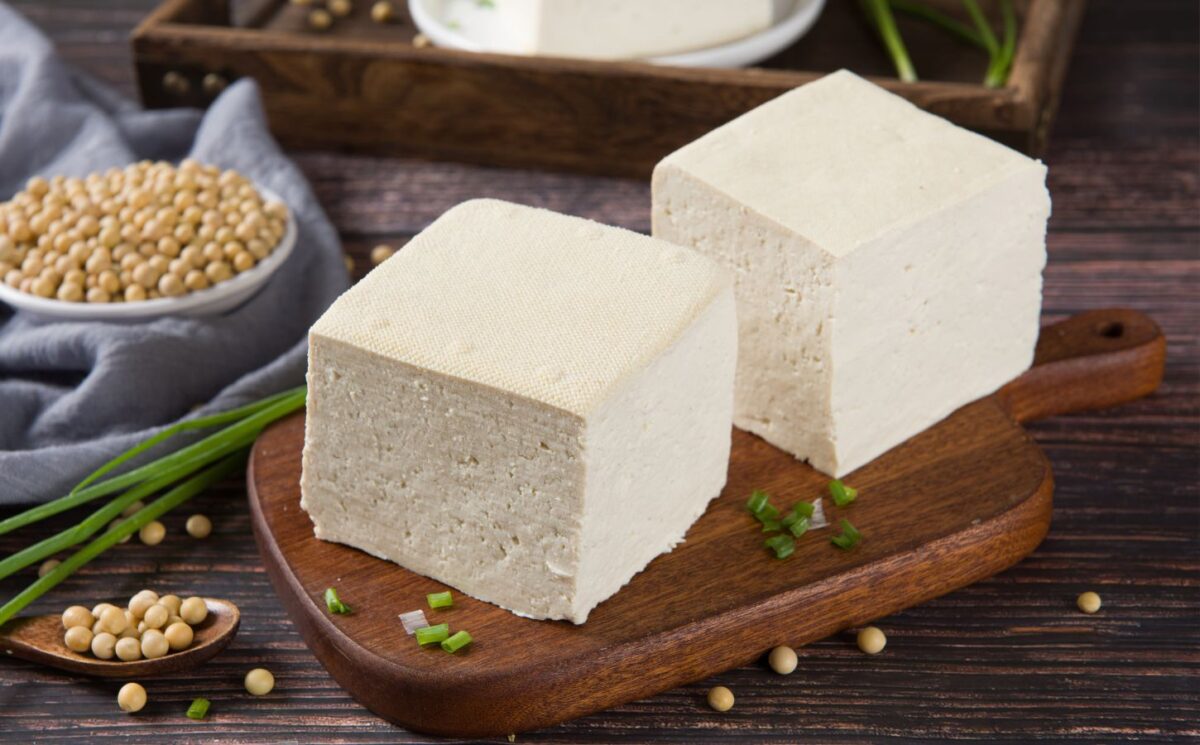
For years, tofu and other soy foods have been caught in nutrition crossfire. One week, they are praised as staples of long-lived populations, and the next, they are blamed for hormonal harm. In a recent video, Plant Based Science London cuts through that noise by highlighting a lesser-known biological mechanism that may help explain why soy foods are consistently linked to lower cancer risk.
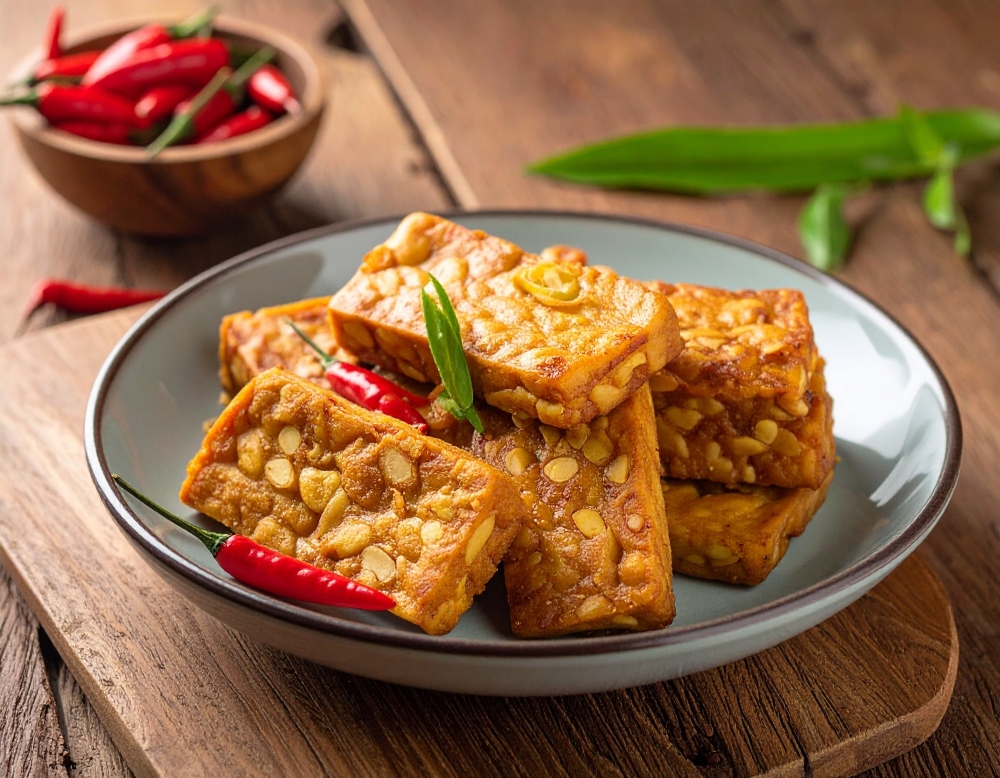
The video focuses on tofu, tempeh, and edamame, and zeroes in on a surprising target: a receptor inside our cells that plays a role in how cancer grows and spreads. This emerging science adds fresh weight to research on the cancer-protective effects of soy. It helps explain why whole soy foods behave very differently from animal protein in the body.
Read more: Jamie Oliver Highlights ‘Important Connection’ Between Tofu And Longevity
Plant Based Science London is known for turning complex nutrition research into accessible, evidence-based videos. In this episode, the channel breaks down new insights shared by Dr Joel Fuhrman and connects them to the broader science on soy, isoflavones, and cancer biology.
Why soy behaves differently from meat in cancer cells
The starting point for the video is a short but striking clip from Fuhrman, who outlines how soy compounds interact with cancer cells in a fundamentally different way than animal-based foods.
“Soy is dramatically protective against breast cancer,” Fuhrman says. He explains that soy isoflavones act as antagonists to a key cellular receptor involved in cancer progression. According to Fuhrman, “the soy isoflavones are antagonists to the aryl hydrocarbon receptor in cancer cells.”
This matters because cancer cells tend to overexpress this receptor. Fuhrman explains that certain amino acids abundant in meat, particularly methionine, can stimulate this pathway. That stimulation can make cancer cells more invasive and more likely to spread. In contrast, the compounds in soy push the system in the opposite direction.
“The isoflavones antagonize, which means they cause cancer cells to kind of die and not replicate,” Fuhrman says, adding that they “prevent replication of cancer cells.”
While soy does contain tryptophan, Fuhrman notes that its low methionine content and high isoflavone levels shift the overall effect toward suppressing cancer cell growth. This contrast is central to soy’s cancer-protective properties.
What the aryl hydrocarbon receptor actually does
To understand why this mechanism is so important, Plant Based Science London steps back and explains the aryl hydrocarbon receptor, often shortened to AHR.
The narrator describes it as “a protein inside our cells that acts like a sensor.” In simple terms, AHR functions like a cellular smoke detector. It responds to certain chemicals from food and the environment, then tells the cell which genes to switch on or off.
Crucially, the receptor also influences whether cells grow, divide, or die. When AHR is activated at the wrong time or too often, it can encourage uncontrolled cell growth. That is a defining feature of cancer. As the video explains, “the aryl hydrocarbon receptor itself isn’t a cancer gene, but its activation by certain chemicals or signals can increase cancer risk.”
This is where dietary patterns begin to matter. Foods that overstimulate this receptor can push cells toward growth and replication. Foods that block or moderate it can do the opposite.
How soy isoflavones help trigger cancer cell death
One of the most studied soy isoflavones is genistein, and the video explains how it interacts with AHR in a protective way. The narrator states that genistein, acting through this receptor, “can influence expression of genes that halt cell division and trigger apoptosis in abnormal cells.”
Apoptosis is programmed cell death. It is one of the body’s key defenses against cancer. When damaged or precancerous cells fail to self-destruct, tumors can form and grow. The video explains that this mechanism makes malignant cells “more likely to die off instead of multiplying unchecked.”
Importantly, soy isoflavones do not appear to act on just one cancer pathway. As the narrator explains, they “seem to work across multiple cancer hallmarks,” which may help explain why soy consumption is repeatedly linked to lower cancer risk across different organs.
What this means for everyday soy foods
Rather than focusing on supplements or isolated compounds, the video emphasizes whole soy foods like tofu, tempeh, and edamame. These foods deliver isoflavones in a complex food matrix that appears to support their protective effects.
While soy may not be a miracle food, it behaves very differently from animal protein at a cellular level. When consumed regularly as part of a balanced plant-based diet, soy foods appear to support mechanisms that limit cancer cell growth rather than fuel it. That distinction helps explain why the cancer-protective effects of soy continue to emerge in population studies, despite decades of confusion and misinformation.
As Plant Based Science London makes clear, this is not about fear or extremes. It is about understanding how everyday food choices interact with the biology of disease, sometimes in ways that are far more powerful than we once realized.
You can find more plant-based health and nutrition content on Plant Based Science London’s YouTube channel.
Read more: Soy Milk Better Than Cow’s Milk For Cardiometabolic Health, Study Suggests