Community
 Print
Print



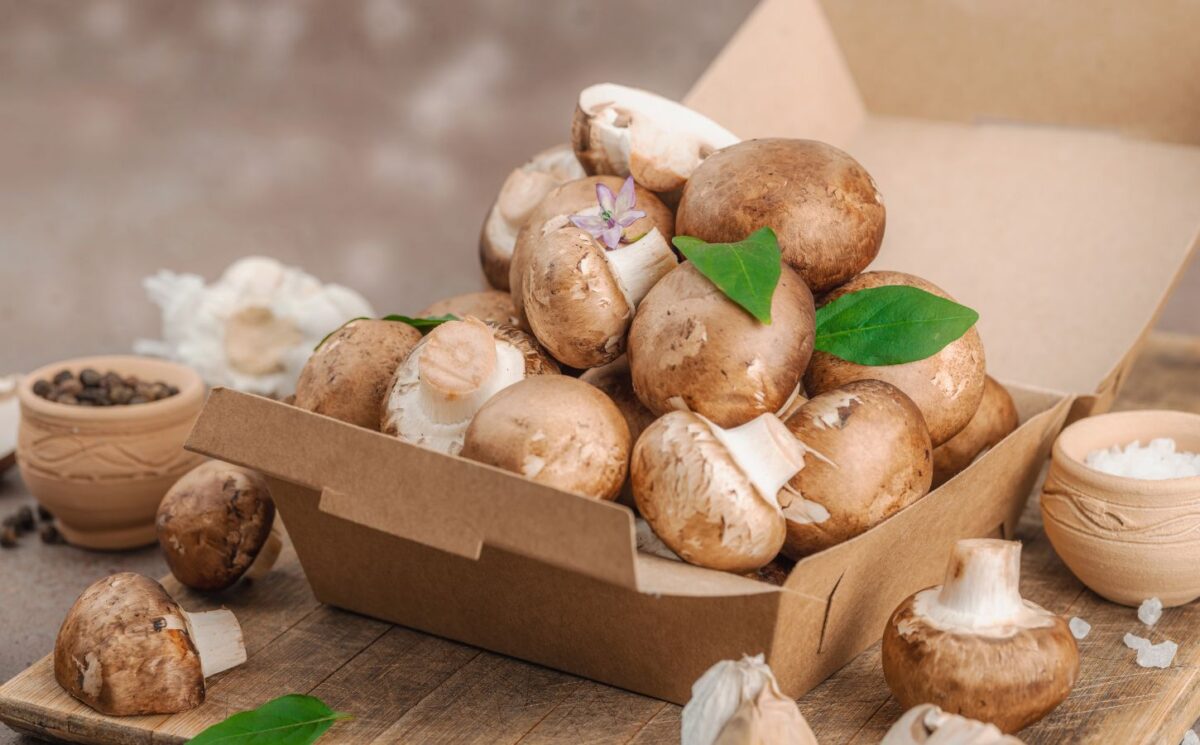
Many people following plant-forward and vegan diets think they’re doing reasonably well when it comes to healthy eating. Plenty of vegetables. Some whole grains. Maybe a handful of mushrooms tossed into a stir-fry every now and then. But according to new research highlighted by Plant Based Science London, that casual approach may be falling far short. When it comes to the health benefits of mushrooms, the difference between “some” and “enough” appears to matter far more than we realized.
Plant Based Science London is known for its clear, research-driven YouTube videos that break down complex nutrition studies into practical takeaways. In a recent video, the channel dives into emerging evidence showing that mushrooms can support cardiometabolic health and immune defense – but only when eaten in meaningful amounts. The problem? Most people aren’t even close.
Read more: What Are The Benefits Of Lion’s Mane Mushrooms And Where Can You Buy Them?
What the research looked at
The video centers on a narrative review published in Critical Reviews in Food Science and Nutrition. Researchers analyzed 22 human studies to better understand how mushroom intake affects measurable health outcomes. These included markers of immune function, metabolic health, and cardiovascular risk.
The narrator explains that the findings are striking not only because of the benefits observed, but also because participants did not make major changes to their diets or lifestyles. Mushrooms were simply added to what they were already eating.
Among the most consistent results was a reduction in triglyceride levels when mushrooms became part of participants’ regular diets.
Why triglycerides matter, even on a plant-based diet
High triglycerides are often associated with diets high in refined carbohydrates, excess calories, or alcohol. But they can also be a frustration for people eating mostly plant-based foods.
The narrator notes that this finding feels especially relevant, saying reductions in triglycerides appeared “when mushrooms were added to participants’ regular diet without major lifestyle changes.” That matters because elevated triglycerides are a known risk factor for heart disease and metabolic dysfunction.
In other words, mushrooms may offer a simple, food-based tool for improving lipid markers, something many plant-based eaters actively work to manage.
A boost to the body’s first line of immune defense

Even more compelling is what the studies show about immune health. Several trials reported increases in salivary immunoglobulin A, or IgA, after regular mushroom intake.
The narrator explains why this matters: “Salivary IgA is the first line of defense against respiratory tract infections such as pneumonia and influenza.” IgA plays a key role in mucosal immunity, helping block pathogens before they enter the bloodstream.
He adds that IgA works through “a process called immune exclusion where it binds to pathogens and toxins, preventing them from adhering to and penetrating mucosal surfaces and entering your bloodstream.”
In short, higher IgA levels mean a stronger barrier against infection at the mouth, gut, and airways.
How much we’re eating versus how much we need
This is where the gap becomes impossible to ignore. Experimental doses in the studies ranged from 13 to 300 grams of mushrooms per day. Meanwhile, average mushroom consumption in the US is just four grams per day, roughly 1.5 kilograms per year.
To put that into perspective, the narrator explains that 100 grams of cooked mushrooms equals about half a cup of white button mushrooms. The highest doses studied would be closer to one cup cooked, or roughly 14 mushrooms.
One study followed 24 healthy volunteers who consumed 100 grams of blanched white button mushrooms daily for one week. The results were dramatic. As the narrator states, “Their IgA secretion rate rose by 53% in just one week and 56% in week two compared to baseline.”
The researchers concluded that because IgA is critical for gut and airway defense, this suggests mushrooms can meaningfully strengthen immune protection – if eaten in sufficient quantities.
Safety, cooking, and practical takeaways
Importantly, the review found no evidence of harm. The study notes, “No evidence indicated negative effects of consuming mushrooms on any outcome of interest.”
The narrator does emphasize that mushrooms should never be eaten raw due to agaritine, a potentially carcinogenic compound. Cooking significantly reduces this risk, making cooked mushrooms the clear choice.
So how much should we aim for? Based on the research, the sweet spot appears to be between half a cup and one cup of cooked mushrooms per day to unlock the full range of mushroom health benefits.
For a food that’s affordable, versatile, and already familiar, the takeaway is simple. Mushrooms aren’t just a garnish. When eaten in the right amounts, they may play a meaningful role in supporting heart health, immune defense, and overall metabolic well-being.
For more plant-based health and nutrition content visit Plant Based Science London’s YouTube channel.
Read more: How To Grow Your Own Shiitake Mushrooms