Community
 Print
Print



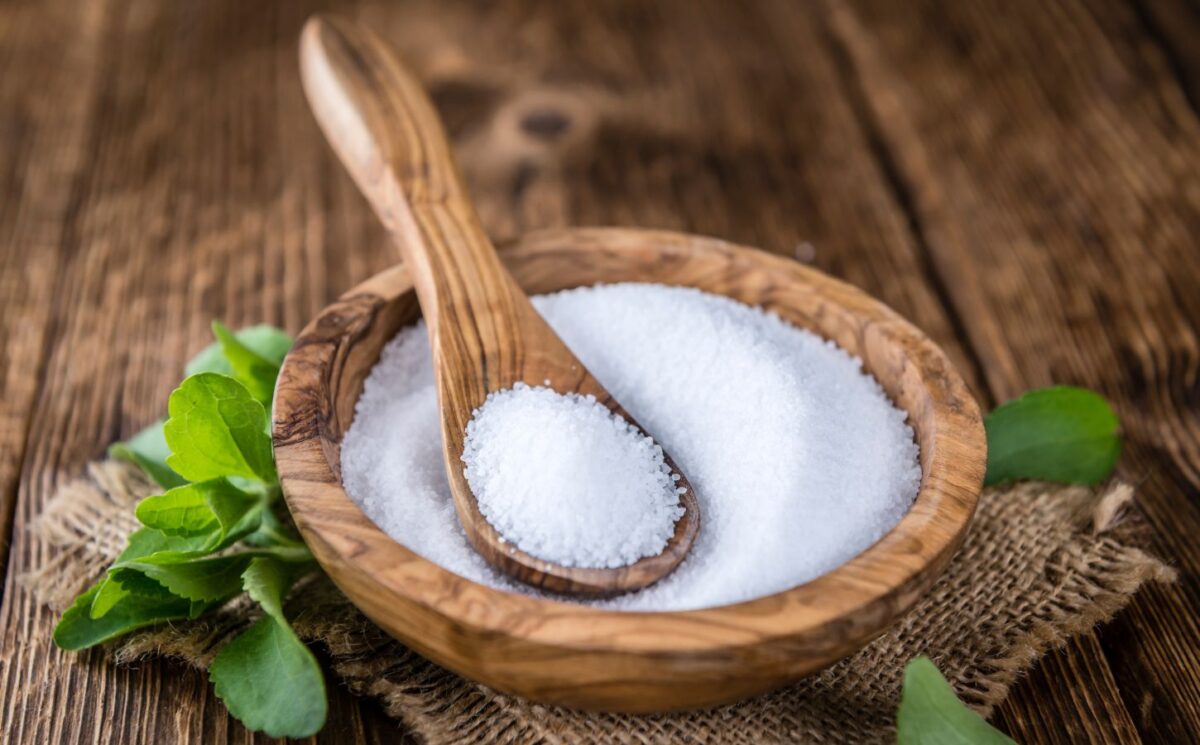
If you’re trying to cut back on sugar this year without giving up sweetness entirely, you may be faced with the question: Is stevia safe, or is it just another health food fad waiting to fall apart?
That’s exactly what Plant Based Science London digs into in a recent video featuring Dr Michael Greger. Known for breaking down nutrition science into short, evidence-led explainers, the channel looks at what stevia actually is, what the research says about its safety, and where moderation matters.
Read more: Company Develops Protein-Based Sugar Alternative
Drawing on peer-reviewed studies and Greger’s long-standing work in preventive nutrition, the video offers a clear answer to when stevia fits into a plant-based diet, and when other sweeteners may be the better choice.
What is stevia?
Stevia is a calorie-free sweetener extracted from the leaves of Stevia rebaudiana. It is often marketed as a natural alternative to refined sugar. The video explains that stevia is “200 to 300 times sweeter than sugar” and has “a non-glycemic response in the body,” which helps explain its popularity among people trying to cut back on sugar.
Is it safe?
Two review studies cited in the video find that stevia “has not been shown to lead to any adverse effect on health.” Concerns about fertility occasionally circulate online, but the video notes these claims come from animal studies using extremely high doses. As the narrator explains, those amounts are unlikely to reflect human consumption.
Greger sums it up clearly: “Bottom line is it’s harmless in typical doses.” He adds that problems can arise with excess. “If you’re drinking stevia-sweetened beverages… You actually may be exceeding that limit and putting yourself at risk.”
Greger points to gut bacteria that can convert stevia compounds into potentially harmful byproducts at high intakes. He references the World Health Organization’s tolerable upper daily limit and stresses moderation. A little stevia here and there is different from consuming it in large quantities every day.
The sweeteners Dr Greger prefers
When it comes to sweetening foods, Greger favors whole-food options. “The healthiest caloric sweeteners are blackstrap molasses and date sugar,” he says, noting that date sugar is simply “dried, pulverized dates.” He also adds that, among low-calorie options, “erythritol is probably safer than stevia.”
So, is stevia safe? According to the evidence presented, yes, in moderation. The bigger picture message aligns with Greger’s broader nutrition philosophy: rely less on intense sweeteners and more on minimally processed, plant-based foods whenever possible.
For more plant-based health and nutrition content, check out Plant Based Science London’s YouTube channel.
Read more: New Study Suggests Popular Artificial Sweetener Could Increase Heart Disease Risk