Community
 Print
Print



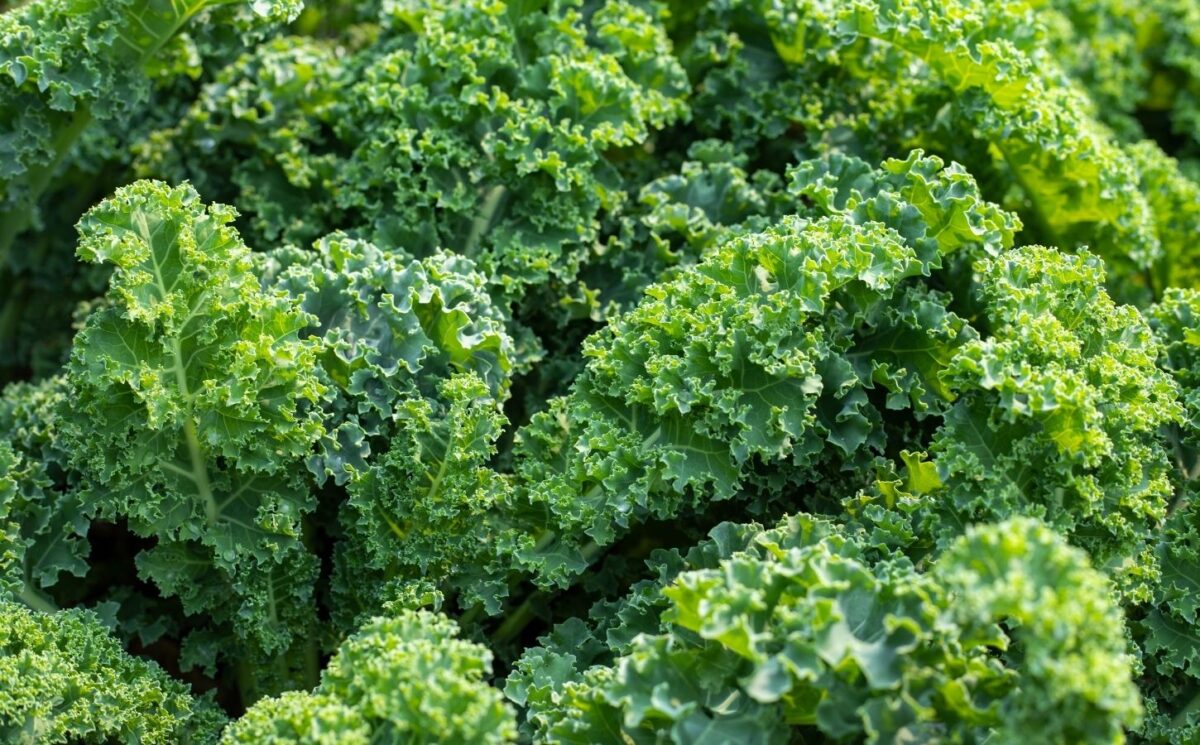
Kale has become a plant-based staple, but many people still treat it like any other leafy green. That casual approach may come at a cost. According to nutrition researchers, common cooking habits can wipe out much of what makes kale so valuable in the first place. The latest video from Plant Based Science London breaks down how kale nutrient retention depends heavily on preparation, not just ingredients.
Read more: Kale Is One Of The Best Foods We Can Eat – 10 Recipes To Try
Plant Based Science London is known for turning dense nutrition research into short, digestible videos. The channel focuses on evidence-based health information and often draws on work from leading researchers, including Dr. Michael Greger of NutritionFacts.org. In this video, the narrator explains how two simple techniques can help preserve kale’s most powerful compounds while cooking, without turning it into a raw-only food.
Why kale stands out nutritionally
Kale is often described as one of the most nutrient-dense foods available, and the research backs that up. As the narrator explains, kale delivers immune-supporting compounds alongside strong anti-cancer properties. It contains vitamin C, folate, and carotenoids such as lutein. It also has sulfur-containing compounds linked to detoxification and disease prevention.
But heat, water, and timing all influence how much of that nutrition actually reaches your plate. The video makes it clear that kale nutrient retention is not guaranteed just because kale is on the menu.
The pressure-cooking method Dr. Greger recommends
Dr. Michael Greger points to pressure cooking as the most effective way to preserve kale’s nutrients while still cooking it. He explains, “The best way to keep nutrients is basically pressure cooking it for zero minutes at high pressure.”
That means bringing the pressure cooker up to temperature and releasing the pressure immediately once it signals. The kale is exposed to high heat for only one to two minutes. According to the breakdown in the video, this method can retain roughly 85 to 95 percent of vitamin C and around 90 percent of folate. It can also preserve up to 95 percent of lutein and other carotenoids.
Because the kale has minimal contact with water, nutrient loss through leaching is limited. The short cooking time also reduces heat-related degradation, one of the biggest threats to kale’s nutrient retention.
No pressure cooker? The microwave comes close
Not everyone owns a pressure cooker, and the video addresses that directly. The narrator explains that microwaving kale in a small amount of water for about three and a half minutes appears to be the next best option.
This method retains roughly 60 to 70 percent of vitamin C, about 65 percent of folate, and between 80 and 90 percent of carotenoids. While those numbers are lower than pressure cooking, they are still far better than long boiling times or heavily waterlogged methods.
The comparison shows that when it comes to kale nutrient retention, shorter cooking times and less water consistently perform better, regardless of the appliance used.
The chopping step that unlocks sulforaphane
The cooking method is only half the story. The second technique focuses on what happens before heat is applied. Dr. Greger explains the importance of chopping kale and letting it rest. He says this step helps “maximize sulforaphane production.”
The narrator clarifies that leaving chopped kale for about 30 minutes before cooking can increase sulforaphane formation by three to six times compared with cooking immediately. Sulforaphane is linked to reduced inflammation, improved cardiovascular and brain health, and enhanced detoxification. It also helps prevent cancer by affecting cancer cell growth and apoptosis.
Skipping this step means missing out on one of kale’s most potent compounds, even if the cooking method is otherwise careful.
Cooking kale without losing what matters
Taken together, the two techniques offer a clear takeaway. Chop kale and let it rest before cooking, then use short, low-water cooking methods whenever possible. Whether using a pressure cooker or a microwave, these steps help preserve the compounds that give kale its reputation in the first place.
For anyone serious about kale nutrient retention, the message is simple. How you cook kale can matter just as much as choosing kale at all.
Visit the Plant Based Science London YouTube channel for more plant-based health and nutrition videos.
Read more: These Savory Kale Chips Are A Tasty And Nutritious Snack