Community
 Print
Print




New York Fashion Week just decided to ban fur on the runway.
The Council of Fashion Designers of America (CFDA), which owns and organizes New York Fashion Week, announced that it will not promote fur products at any official events, on social media, or on its website from September 2026.
Read more: Vogue To Stop Featuring Fur In All Editorial Content And Advertising
The “end of fur” at New York Fashion Week follows “years of engagement” with both the Humane World for Animals and Collective Fashion Justice.
New York Fashion Week typically takes place in February and September, incorporating multiple Manhattan-based events across nine days. The ban’s delayed start date will give designers time to plan and create fur-free designs.
The new regulation specifically prohibits farmed or trapped fur from animals killed for their pelts, including but not limited to mink, fox, rabbit, karakul lamb, chinchilla, coyote, and raccoon dog. However, animal fur obtained by Indigenous communities using traditional subsistence hunting practices remains unrestricted at events.
“There is already little to no fur shown at NYFW, but by taking this position, the CFDA hopes to inspire American designers to think more deeply about the fashion industry’s impact on animals. Consumers are moving away from products associated with animal cruelty, and we want to position American fashion as a leader on those fronts, while also driving material innovation,” said Steven Kolb, CEO and president of the CFDA, in a statement.
Read more: PETA Founder Says ‘I Don’t Think We Went Far Enough’
Fur-free policies create ‘a cleaner, more humane fashion industry’
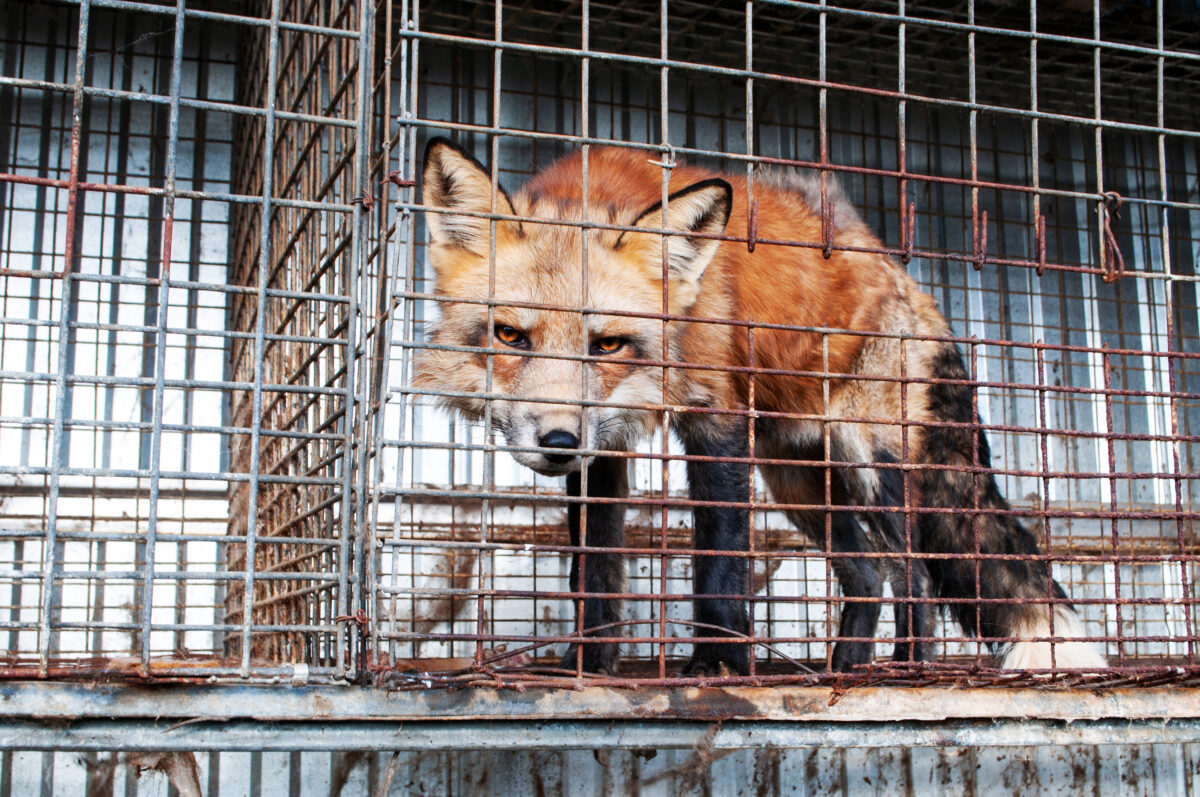
CFDA noted that the decision aligns New York Fashion Week with fashion weeks in London, Copenhagen, Berlin, Stockholm, Amsterdam, Helsinki, and Melbourne, all of which have previously banned fur at their respective events.
“We applaud the CFDA for using its unique influence on American fashion to help usher in a fur-free future,” said PJ Smith, the director of fashion policy at Humane World for Animals. “It’s policies like this that are paving the way for material innovation that will create a cleaner, more humane fashion industry without sacrificing creativity and beauty.”