Community
 Print
Print



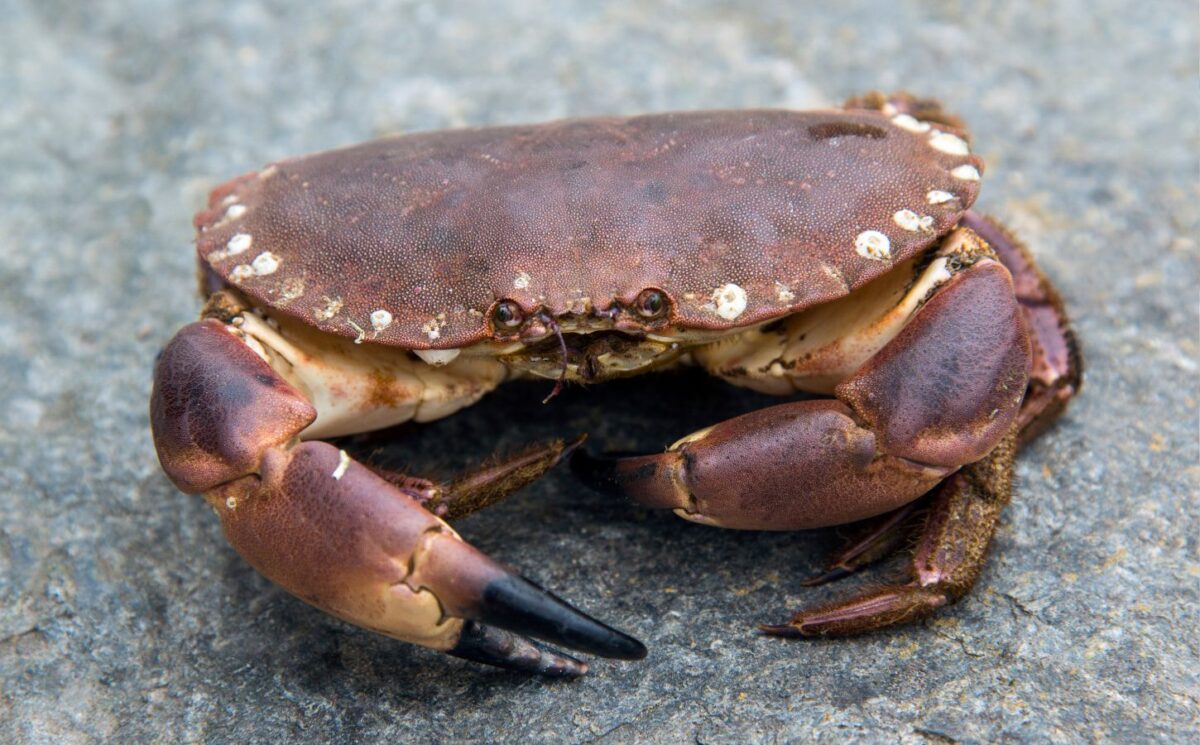
The British government’s animal welfare strategy says that the live boiling of crabs and other decapods is “not an acceptable killing method,” but will there be a ban?
The UK has taken significant steps to strengthen animal welfare protections in recent years, including for animals like crabs, whose welfare was not previously addressed.
However, despite these developments, cruel practices such as live boiling remain commonplace.* With the Labour government’s fresh animal welfare strategy now live, it remains to be seen if there will actually be a ban, and what that might look like.
Humane slaughter and the Animal Welfare (Sentience) Act
In 2022, the previous government’s Animal Welfare (Sentience) Act recognized all vertebrate animals – including mammals, reptiles, amphibians, fish, and birds – as sentient, as well as decapod crustaceans and cephalopods, including octopuses, lobsters, and crabs. The act stated that these species are also sentient beings who “experience feelings in the same way humans do.”
Since then, individuals, restaurants, and the food service industry in general have continued to boil animals like lobsters and crabs alive. Traditionally, shellfish are cooked alive to neutralize bacteria and to avoid food poisoning.
While some people choose to first “spike” the animals with a sharp knife, freeze them, or stun them with electricity, live boiling remains the most common slaughter method. Live boiling is, inarguably, particularly cruel. When placed in boiling water, crabs and lobsters thrash, shed limbs, and try to climb out. They can take up to three minutes to lose consciousness before finally dying. In 2024, the government faced legal action from The Animal Law Foundation over the continuation of the practice, and activists have called for MPs to do more to protect animals from unnecessary cruelty.
What is the current legal status of live boiling crabs?
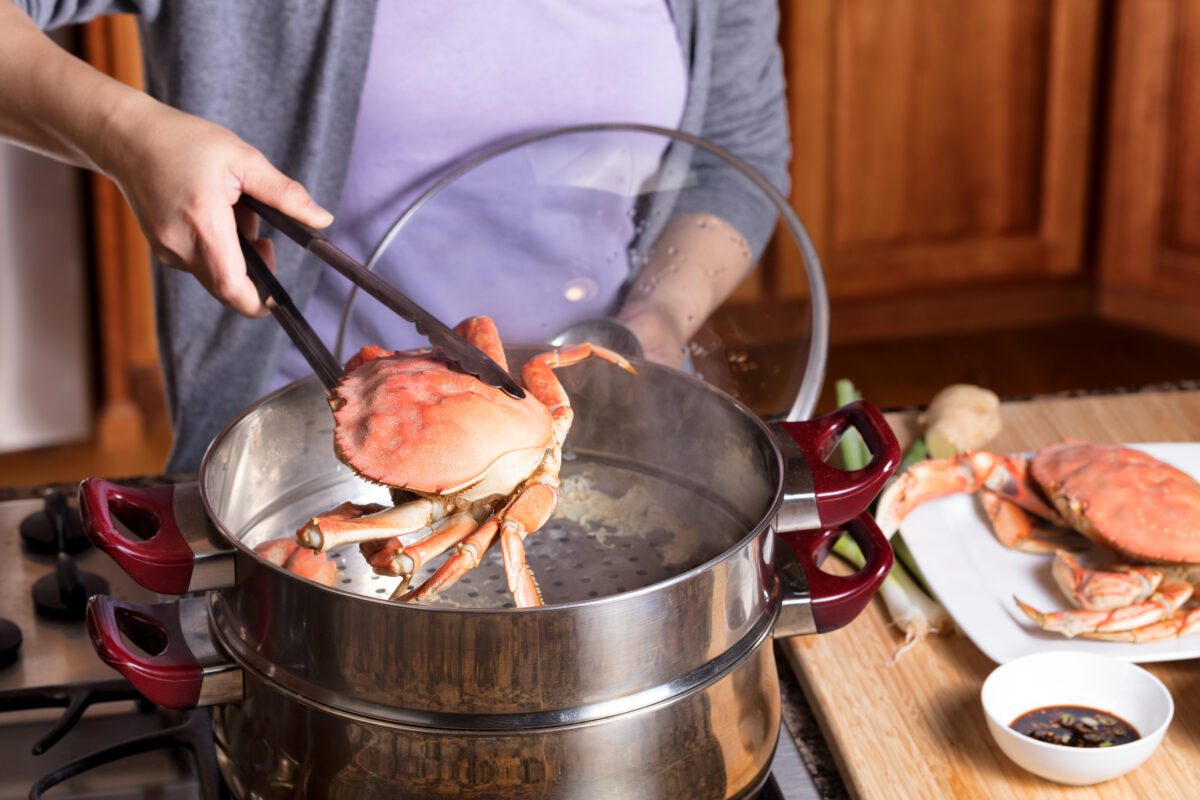
The government has accepted that live boiling is illegal under existing law, according to the Aquatic Animal Alliance. However, the lack of a meaningful ban – or any plan for enforcement – means that the practice has continued regardless.
The UK government is expected to ban live boiling of crabs and crustaceans in England by the end of the decade, and to specify so-called humane alternatives. However, engagement with scientists, animal advocates, and others is ongoing. An actual ban is not guaranteed, and it is not yet clear how one would be enforced.
In December, the Department for Environment, Food, and Rural Affairs (DEFRA) published a policy paper titled “Animal Welfare Strategy For England,” which it described as “clear and uncompromising” in its guarantee of “positive welfare” for all animals, including crustaceans like crabs and lobsters.
It builds on the previous government’s Animal Welfare (Sentience) Act, and includes proposed bans on trail hunting, snares, puppy mills, and cages for farmed animals. The strategy also includes a pledge to deliver guidance on “which methods of killing decapods are compatible” with welfare requirements, and to clarify that live boiling is unacceptable. DEFRA aims to achieve its goals by 2030.
While the 2022 Animal Welfare (Sentience) Act applies throughout the UK, the updated Animal Welfare Strategy is specific to England. The devolved governments will need to create their own strategies, as they have in the case of Scotland’s 2002 trail hunting ban, or the expected ban on greyhound racing in Wales. There are currently no plans to ban live boiling in Scotland, Wales, or Northern Ireland.
Read more: If Lobsters Are Sentient, Why Can We Still Boil Them Alive?
Do crustaceans experience pain?
In 2021, the London School of Economics and Political Science (LSE) published a government-commissioned independent review titled “Review of the Evidence of Sentience in Cephalopod Molluscs and Decapod Crustaceans.”
The authors analyzed more than 300 studies and found “strong scientific evidence” to support sentience. Speaking at the time, they recommended a ban on the live sale of decapod crustaceans to non-expert handlers, and a complete ban on live boiling, declawing, tailing, and any other kind of dismemberment. The review also found “no slaughter method” for octopuses that is “both humane and commercially viable.”
In 2024, a group of Swedish researchers confirmed that crabs, in particular, do feel pain, and that their responses to uncomfortable stimuli, such as boiling water, are not simply reflex actions. They said that it can safely be assumed that shrimps, crayfish, and lobsters, which share physiological similarities to crabs, also feel pain.
“It is a given that all animals need some kind of pain system to cope by avoiding danger. I don’t think we need to test all species of crustaceans, as they have a similar structure and therefore similar nervous systems,” explained Eleftherios Kasiouras, a student at the University of Gothenburg and the lead study author.
Read more: CIWF Highlights The ‘Growing Threat’ Of Octopus Farming With New Report
Most Brits are opposed to live boiling crustaceans

According to Crustacean Compassion, more than 420 million decapod crustaceans are landed by UK vessels every year, while a further 5 billion are imported from overseas. Globally, up to 580 billion farmed crustaceans are killed every year for food.
A 2025 poll by YouGov found that the majority of British consumers are opposed to boiling crustaceans alive. Sixty-five percent of those surveyed were in favor of a ban, while 75 percent said that they support more humane slaughter methods.
Speaking to the Guardian, Ben Sturgeon, the chief executive of Crustacean Compassion, welcomed the proposed ban. He said, “When live, conscious animals are placed into boiling water, they endure several minutes of excruciating pain. This is torture and completely avoidable. Humane alternatives, like electrical stunning, are readily available.”
However, some restaurateurs and industry professionals have pushed back against the proposed ban, with many left wondering what future guidance will involve, and whether the ban is enforceable at all. Historically, animal welfare policy in the UK can often sink into lengthy consultations, exemptions, delayed implementation, and U-turns, something that the current Labour government has become notorious for.
What happens next?
For now, boiling crabs alive remains commonplace in the UK, and any future ban would likely require secondary legislation or updated codes of practice and further consultation. Once a clear timeline for this consultation, review, and guidance is established, the likelihood of a ban on live boiling will become easier to predict.
DEFRA has not yet confirmed whether or when it will introduce specific measures, but the inclusion of crustaceans in the new animal welfare strategy suggests that the issue is firmly on the government’s agenda. Whether the initial momentum results in a formal ban will depend on political will, industry cooperation, and public pressure.
What is clear, is that the debate over whether crabs, lobsters, and similar animals can feel pain has largely been settled in scientific terms. The practice of live boiling is already banned in Switzerland, Norway, and New Zealand, where animal welfare law accommodates invertebrates in the same way that it could in the UK.
“Sentience is the capacity to have feelings, such as feelings of pain, pleasure, hunger, thirst, warmth, joy, comfort, and excitement,” wrote the LSE report’s authors. They added that sentience is also “not simply the capacity to feel pain, but feelings of pain, distress, or harm,” which have a particular significance for animal welfare legislation.
Read more: Cutting-Edge Plant-Based Plastic Bag Dissolves In Seawater Leaving No Microplastics
*This article was updated on March 2, 2026, following feedback from The Animal Law Foundation on the legality of live-boiling. The Animal Welfare (Sentience) Act was mistakenly referred to as a “bill,” but became law in 2022. The Animal Law Foundation confirmed that boiling lobsters alive is illegal under existing killing laws. The new animal welfare strategy clarified this position, and further guidance is expected.