Community
 Print
Print



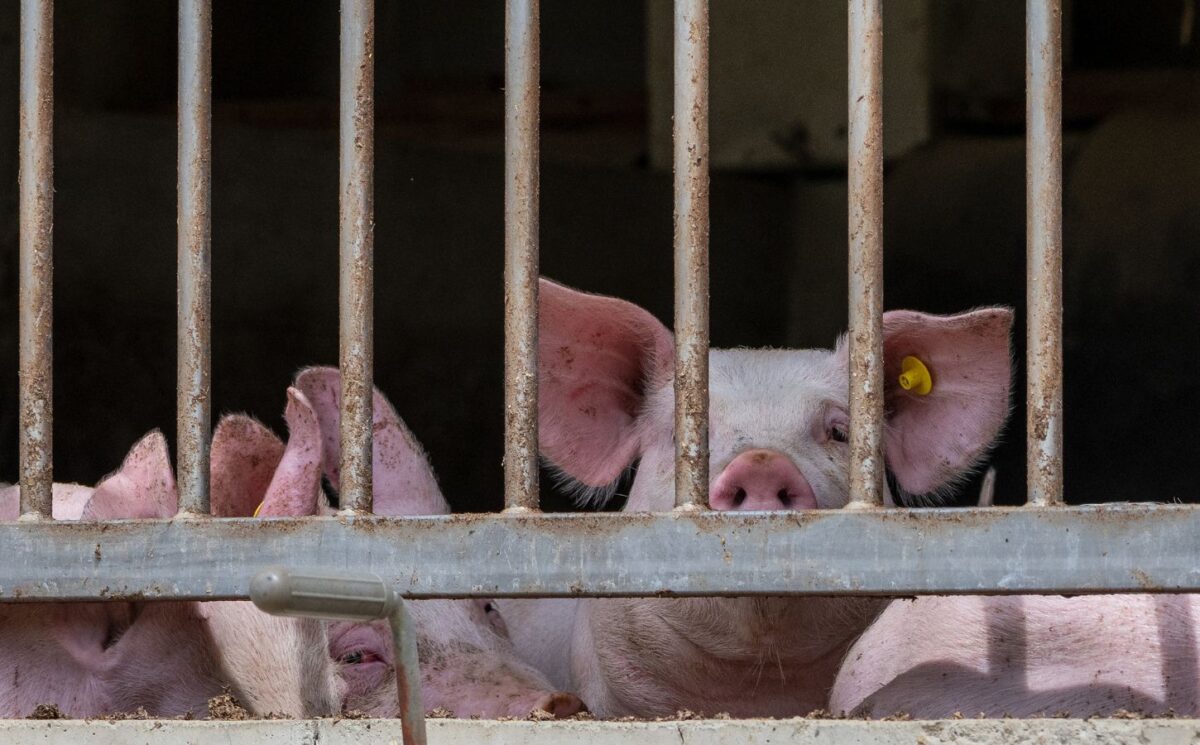
A new report found that the EU gave up to 77 percent of its annual CAP farming subsidies, worth roughly €39 billion, to high-emitting animal agriculture in 2020.
Beef and lamb received approximately 580 times more subsidies than legumes per year, and dairy received approximately 500 times more than nuts and seeds. Overall, animal farming received €39 billion out of €51 billion CAP funding.
Read more: Will The UK Finally Ban Boiling Crabs Alive For Food? Here’s What You Need To Know
Foodrise, a non-profit working to “transform the food system” to fight climate change and promote social justice, published “CAP at the Crossroads” in February.
Martin Bowman, the senior campaigns manager at Foodrise, said, “It’s scandalous that such an unfair share of EU subsidies, worth billions of euros of EU taxpayers’ money, are being pumped into propping up high-emissions meat and dairy production and distorting European diets.”
According to the report, meat and dairy production received more than 10 times more CAP subsidies than fruit and vegetable production and over 16 times more than cereal production, even though animal products only make up around 32 percent of the calories and 64 percent of the protein consumed by people within the EU.
Globally, cereals, grains, and other plant-based foods are thought to make up approximately 82 percent of people’s calories and 63 percent of their protein. Furthermore, animal products cause up to 86 percent of embodied greenhouse gas emissions (GHGs) from EU food production. Animal agriculture is the leading cause of climate change, ahead of even fossil fuels,
‘CAP is at a crossroads’
CAP (common agricultural policy) subsidies are a form of income support for farmers, and the European Parliament estimates that more than 5.9 million farmers benefited from the system in 2022. However, CAP continues to incentivize animal farming, and the majority of funding goes to larger producers rather than small farms.
Foodrise noted that there are calls for EU agricultural subsidies to be reformed in order to better support the uptake of healthy and sustainable diets, net-zero targets, and farmers themselves, including the EU’s Group of Chief Scientific Advisors, the European Court of Auditors, the World Bank, and the 2025 EAT-Lancet Commission.
“CAP is at a crossroads, and EU policymakers have a huge opportunity to switch course and take the action required to support a just transition to [a] healthy sustainable plant-rich diet,” said Bowman. “Which we know have the potential to boost farmer incomes, reduce reliance on imports, mitigate climate change, improve Europeans’ health, and restore nature.”
Read more: Amsterdam Bans Ads For Meat And Fossil Fuels In Public Spaces
‘Shameful’ use of EU subsidies for animal products ‘should end immediately’
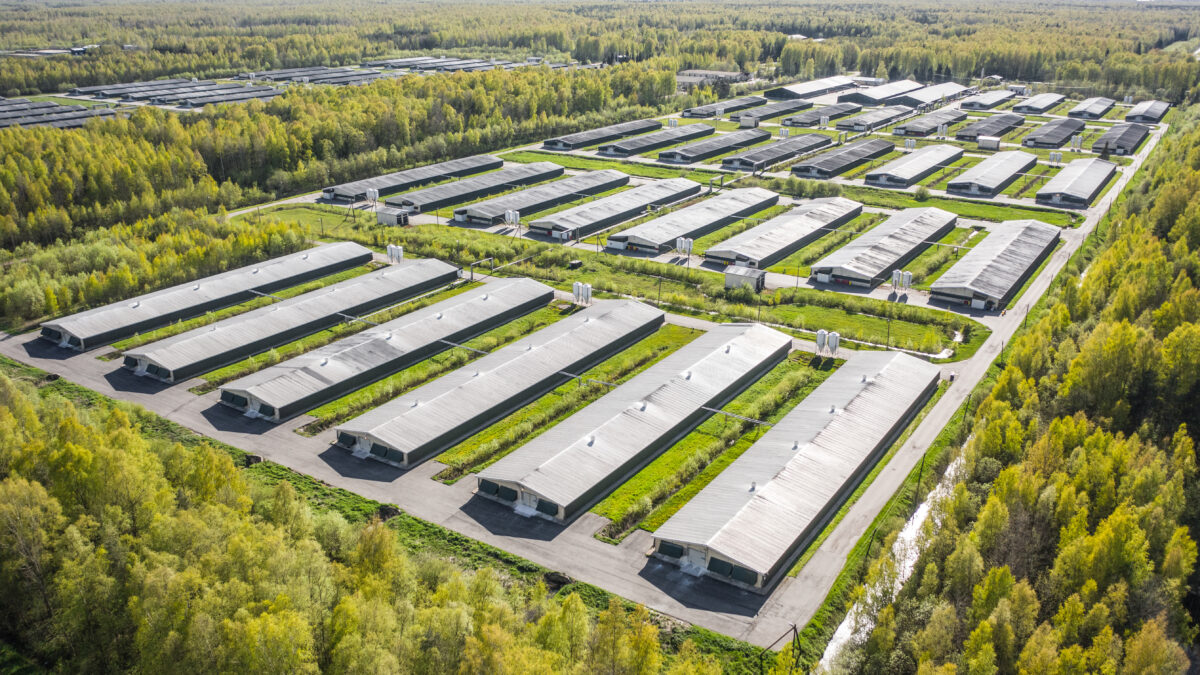
Lobbying from major meat and dairy companies has repeatedly undercut legislative conversations around the sector’s negative impact and continued subsidization. More than 300 industrial agriculture lobbyists attended 2025’s COP30 climate talks in November, and a document that leaked last year indicated that the meat industry may have been behind the backlash directed at 2019’s EAT-Lancet Report.
In 2024, a study found that 82 percent of the EU’s agricultural subsidies support animal foods, making high-impact diets “artificially cheap” and thereby perpetuating an ongoing, unsustainable cycle of production and consumption.
“The shameful use of EU funds to promote meat and dairy to EU citizens – which is directly contrary to EU health and climate goals – should end immediately,” said Bowman.
Read more: Meat-Heavy US Nutrition Guidelines Will Require Millions Of Acres Of New Farmland