Community
 Print


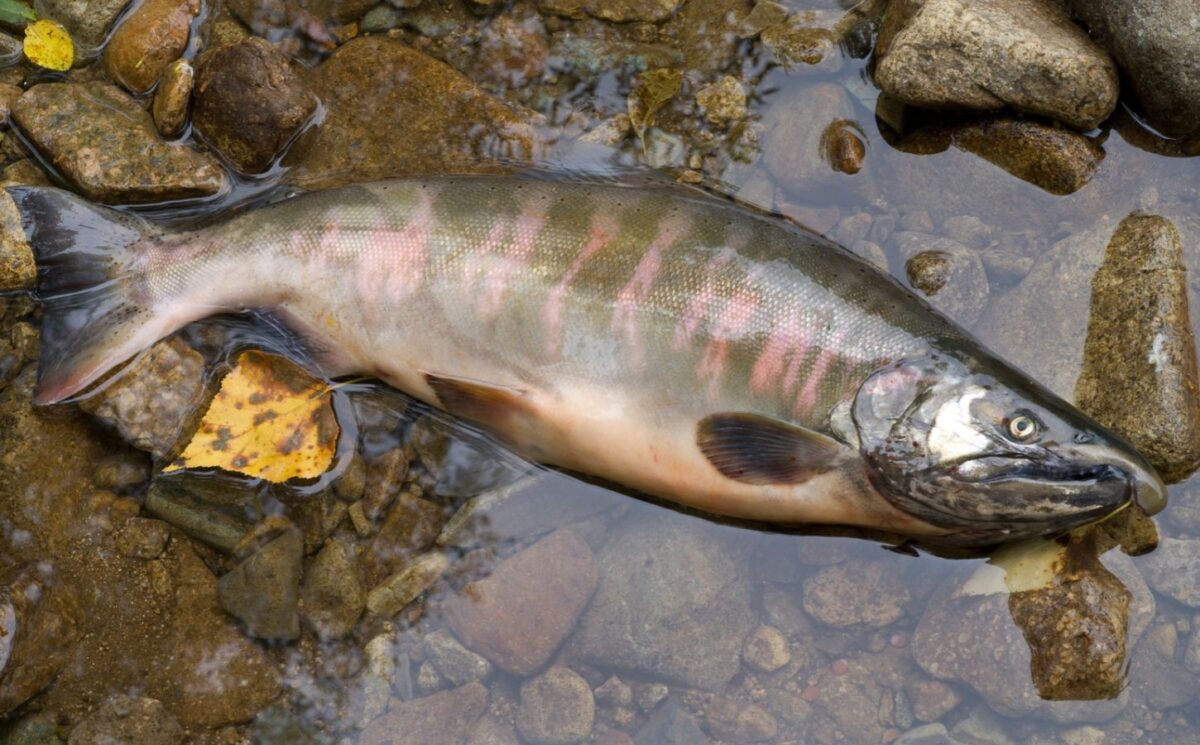
The UK’s Soil Association has said that it will no longer certify Scottish salmon as organic due to persistent welfare failings.
After a two-year review of the salmon farming sector, the charity found that environmental and welfare outcomes were not meeting its “high bar.”
Read more: What Is The ‘Hidden Truth’ About UK Salmon Farming?
The Soil Association is the largest organic certification body in the UK. Last year, the charity warned that it would withdraw its certification if the salmon farming industry did not make “meaningful progress.” Helen Browning, chief executive of the Soil Association, said that there had been “negligible” progress in the aquaculture sector when it comes to caring for salmon, despite more than 20 years’ work in the area.
She said, “While our standards ensure lower stocking rates and prohibit the most damaging chemical treatments, the evidence suggests that welfare and environmental outcomes are not sufficient for us to continue.”
As reported by the Independent, a spokesperson for the industry body Salmon Scotland said, “We have been assured by the UK Government that our farms will continue to be assessed against organic standards with no loss of certification. Consumers can therefore continue to buy Scottish organic salmon with confidence.”
In February, Animal Equality discovered that Scottish salmon farms recorded 35 million unexpected fish deaths over three years. During this time, farms received just two unannounced inspections, demonstrating “embarrassingly poor” oversight.
Read more: COP31 Expected To Serve Mostly Plant-Based Meals And Have A Plant-Based Café
‘We only get what the lice don’t eat’
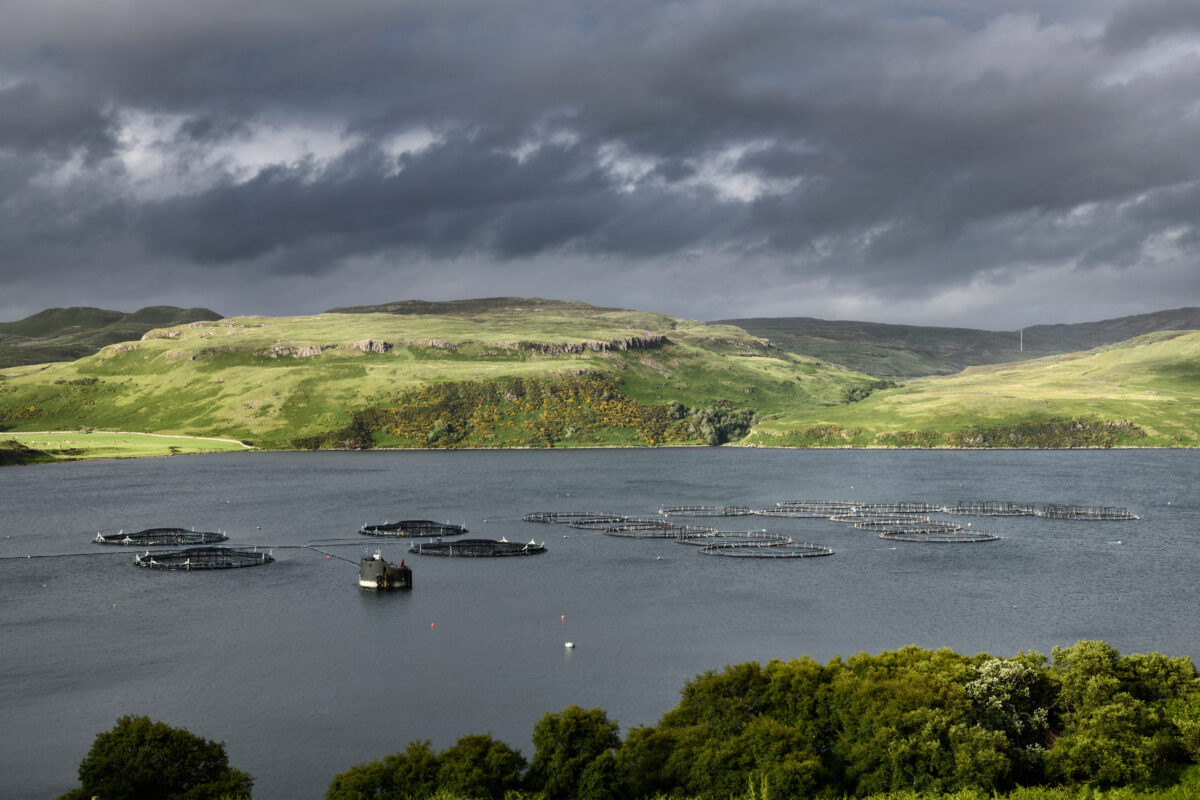
In October, animal advocacy organization Project Slingshot released a documentary titled Gaslit: The Hidden Truth About Salmon Farming in the UK.
The film features comments from Chris Packham, Animal Equality’s Abigail Penny, journalist and author George Monbiot, and industry experts, and summarizes the many environmental, ethical, and health issues inherent to salmon farming.
These include: the prevalence of diseases and parasites; the use of toxic chemicals such as formaldehyde; and the use of astaxanthin to dye salmon pink.
Project Slingshot said, “Don’t buy it. We only get what the lice don’t eat. Scottish salmon are crammed into cages, eaten alive by sea lice and drenched in toxic chemicals. Even the pink comes off a colour chart.”
PBN runs a sponsored content model. To explore how you can get featured, please email [email protected] or visit everkinddigital.com