Community
 Print
Print



Rural farmers in Brazil could double their income by taking up “plant-based agroforestry,” according to a new report presented at COP30 by ProVeg.
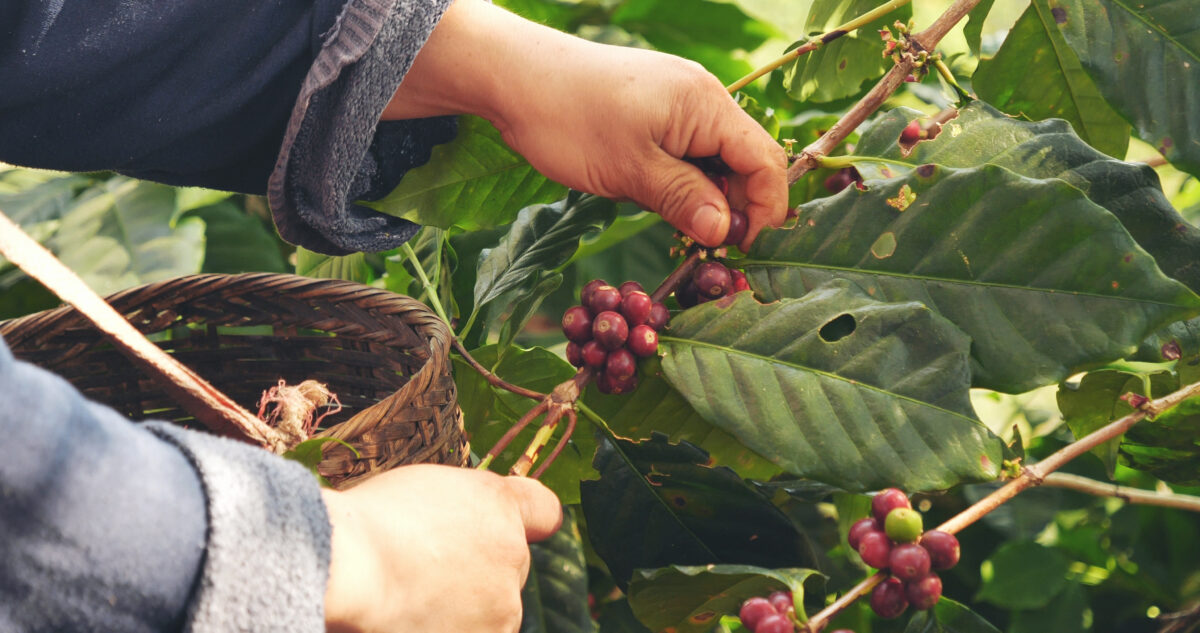
Agroforestry involves growing trees alongside agricultural and horticultural crops, which can enhance ecosystem health and, in turn, increase food production.
Read more: Investigation Finds Over 300 Industrial Agriculture Lobbyists Participated In COP30 Climate Talks
The report is titled “Increasing Income, Respecting the Planet, Nourishing People.” ProVeg Brazil coordinated it, and Brazil’s Agroecology Cooperative Organization (OCA) conducted it. The report was published in Brazilian Portuguese and lays out a sustainable development route for farmers that would also cut national emissions.
In certain cases, ProVeg Brazil found that pivoting away from livestock farming could lead to an income increase of up to 1,525 percent, particularly in biodiverse countries with high incomes and ready access to “specialized markets.”
“Brazil doesn’t need to choose between a strong economy and climate protection,” said Aline Baroni, the executive director of ProVeg Brazil. “Our findings show that plant-based agroforestry systems are key to a more resilient and equitable food production matrix, capable of generating more value on the same land area currently used for livestock farming, as well as regenerating degraded areas.”
Plant-based agroforestry has the potential to be more efficient, profitable, and sustainable than any of the livestock farming types analyzed for the report, across all Brazilian biomes. Furthermore, by supporting family farming, a switch to agroforestry would increase employment and the diversification of income generation.
“This solution involves encouraging family farming, agroecology, and prioritizing the production and consumption of plant-based foods,” added Baroni.
COP30 falls short of ‘what animals, people, and planet need to survive’
ProVeg’s plant-based agroforestry roadmap comes shortly after a report from Compassion in World Farming found that animal agriculture is the world’s biggest cause of food waste. Agriculture is responsible for a third of all anthropocentric greenhouse gas (GHG) emissions, while animal farming is responsible for almost 60 percent of food-related emissions and is the leading cause of climate change.
A joint investigation conducted by DeSmog and the Guardian found that more than 300 industrial agriculture lobbyists attended this year’s UN climate talks, COP30.
In a statement sent to Plant Based News (PBN), Kelly Dent, World Animal Protection’s director of external engagement, said that the talks had fallen short of “what animals, people, and planet need to thrive,” and failed to acknowledge that “agriculture is the major driver of deforestation, and that cutting down our forests is supercharging emissions.”
Read more: Vegan Chef Prepares ‘Special Dinner’ For Leonardo DiCaprio’s Re:wild And Prince William’s Earthshot