Community
 Print
Print



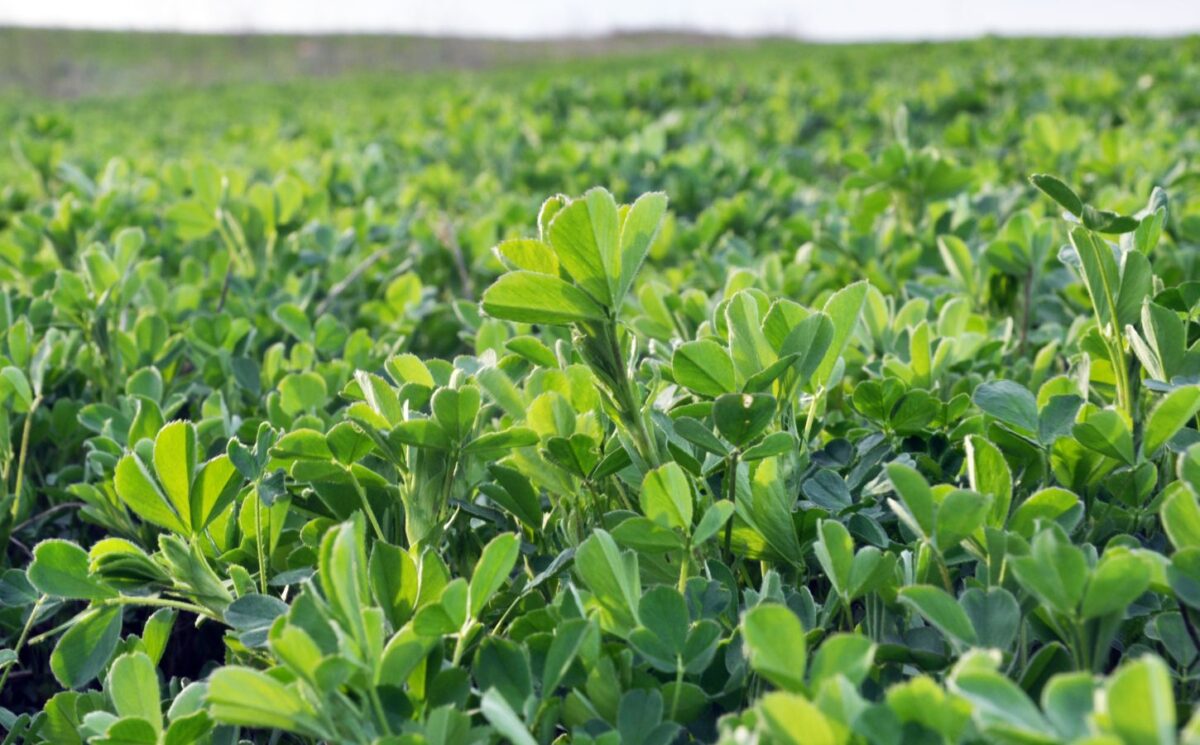
A study has found that integrated biorefineries producing plant-based protein and sugars from leafy biomass such as red clover and alfalfa could meet global protein requirements in less than two years, if deployed promptly in response to a food crisis.
The peer-reviewed research was published in Sustainable Production and Consumption earlier this month, and was funded by the Alliance to Feed the Earth in Disasters (ALLFED), a nonprofit dedicated to “resilient food solutions.”
Read more: The ‘Chickenification’ Of Fish: Is Aquaculture The Next Poultry Farming?
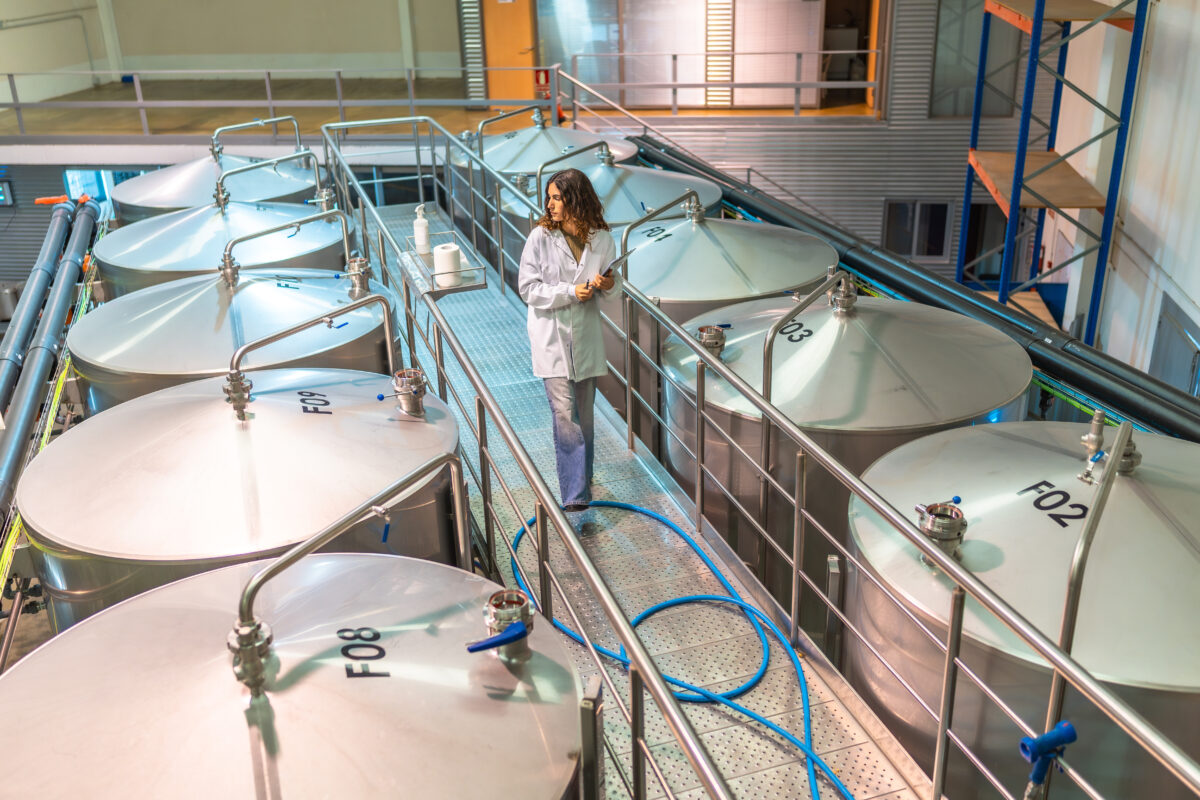
Using crop modeling, the study’s authors showed the “remarkable” global production potential of integrated biorefineries that harvest leaf protein concentrate (LPC), lignocellulosic sugar, and/or single-cell protein (SCP) from leafy biomass.
By pressing alfalfa and other plants, biorefineries would be able to extract a juice, and then turn that juice into LPC and its byproduct, SCP. During a food crisis, the authors estimated that it would cost from USD $1 to $2 per day to meet humanity’s caloric needs. Global alfalfa production would need to increase by 1,100 percent to do so.
“The world’s grasslands have a potential for food production that is much more massive than society currently exploits,” the study’s authors wrote. “Various constraints (steep/rocky/shallow soils, bad climate) complicate using them for growing crops that people can eat directly, so they are often used for grazing cattle or growing forages to feed cattle.
“However, we could grow much more food if we used these forage plants for food directly. Humans cannot digest these plants as ruminants do, but we can make food from them using industrial leaf protein extraction and biorefinery processes.”
Read more: Animal Agriculture Is Responsible For The UK’s 40C Heatwave
‘Feed everyone, no matter what’
The new study’s authors noted that global demand for protein is increasing due to population growth and evolving diets. They highlighted increasing climate variability, the likely inevitable next pandemic, natural disasters, and the growing threat of nuclear war as potential causes of food system collapse in the coming years.
ALLFED has also funded research into “non-agricultural food production,” such as precision fermentation, biosynthesis, and nonbiological synthesis, including the production of food compounds from CO2. In 2024, the nonprofit funded a study on seaweed as a resilient food solution in “abrupt sunlight reduction scenarios” such as a nuclear war or a major volcanic eruption. “Our work examines resilient food solutions that could ‘feed everyone, no matter what,’” ALLFED says.
PBN runs a sponsored content model. To explore how you can get featured, please email [email protected] or visit everkinddigital.com