Community
 Print


From plant-based burgers to your morning coffee sweetener, what you eat can definitely affect your gut. But certain foods actually contribute to chronic inflammation. Which ones deserve your attention, and which viral food warnings can you safely ignore?
In a video titled A Gut Doctor’s 5 Foods That Drive Chronic Inflammation, gastroenterologist Dr. Will Bulsiewicz, known as The Gut Health MD, examines the science behind five dietary culprits. His list includes processed meats, seed oils, added sugar, alcohol, and ultra-processed foods. However, his message comes with an important caveat: “One food by itself doesn’t cause disease.”
Read more: 7 Plant-Based Foods That Fight Inflammation and Boost Energy
Chronic low-grade inflammation differs from the temporary inflammation that helps an injured body recover. It can persist for years and is associated with conditions including heart disease and type 2 diabetes. Bulsiewicz emphasizes evidence over food fear, explaining: “The biggest gains in fighting chronic inflammation aren’t from what you remove. They’re from what you add.”
1. Processed meats
Bacon sandwiches and deli slices might be convenient, but Bulsiewicz says the evidence gives processed meat particular cause for concern. He discusses a 2022 UK Biobank study involving more than 400,000 people, which examined meat consumption and inflammatory markers.
According to his account, every 50 grams of processed meat consumed was associated with a 38 percent higher C-reactive protein level. Unprocessed red meat and poultry showed smaller associations of 14 and 13 percent, respectively. These findings indicate associations, rather than proving that meat consumption directly caused the changes.
The concerns extend beyond inflammation. The World Health Organization’s International Agency for Research on Cancer classified processed meat as a Group 1 carcinogen in 2015. This classification reflects strong evidence that processed meat causes colorectal cancer, not that its risk equals smoking.
Bulsiewicz also points to research suggesting processed meat can shift the gut microbiome toward inflammatory bacteria and disrupt the intestinal barrier. His advice is simple: “We really need to try to minimize these processed meats as much as possible.” That includes bacon, sausages, hot dogs, and deli meats.
2. Seed oils
Seed oils have become a favorite villain in online wellness debates. However, Bulsiewicz says the research does not support claims that these oils inherently cause inflammation.
He highlights a systematic review of 15 randomized controlled trials in healthy adults examining linoleic acid, a fatty acid found in many seed oils. The review found “virtually no evidence” that increasing dietary linoleic acid raised inflammatory markers in healthy humans.
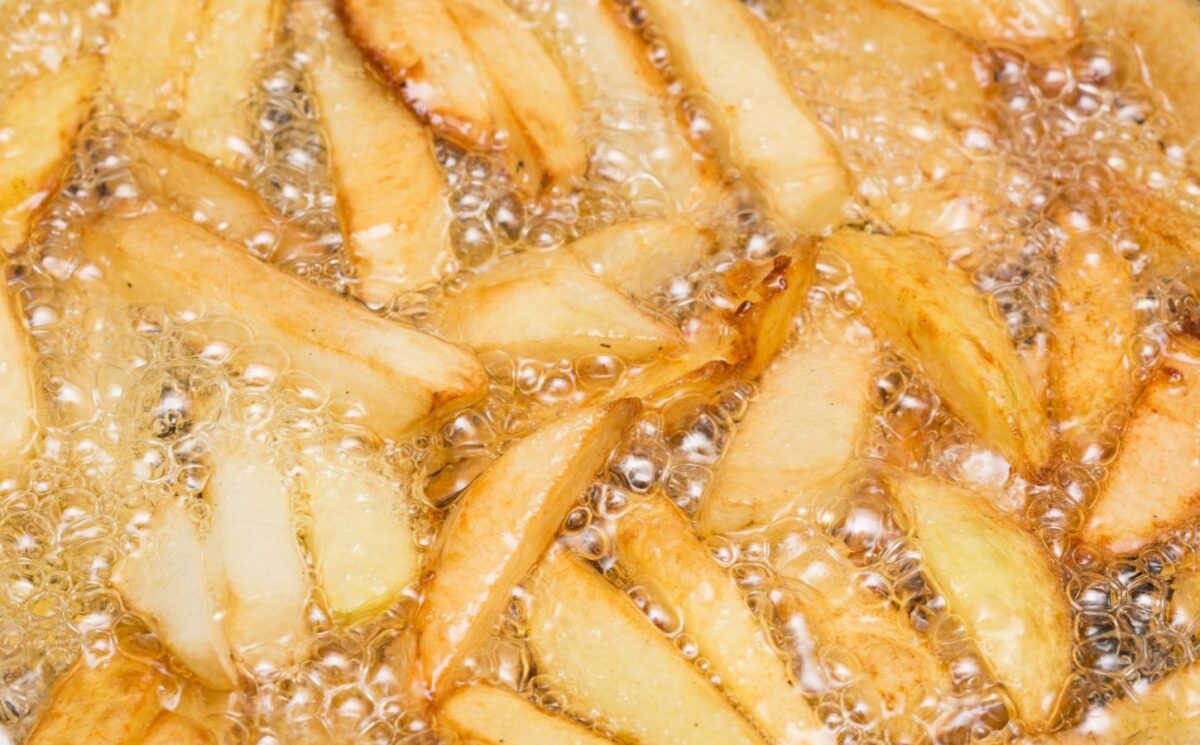
That doesn’t mean every cooking practice is ideal. Repeatedly heating and reusing oil at high temperatures can produce harmful oxidation byproducts. Bulsiewicz stresses that this is not exclusive to seed oils. He also warns against replacing them with butter or beef tallow, which can raise LDL cholesterol.
Instead, he recommends extra-virgin olive oil for its polyphenols and avocado oil for cooking with heat. Most importantly, he encourages people to focus on overall food quality rather than chasing a seed-oil-free diet.
3. Added sugar
Sugar is another ingredient that deserves attention, but context matters. Bulsiewicz discusses a 2023 umbrella review covering 73 meta-analyses, more than 8,600 studies, and 83 health outcomes. Increased sugar intake was associated with 45 different harmful health outcomes.
He explains that excessive added sugar can contribute to insulin resistance, visceral fat accumulation, and inflammatory signaling. It can also affect the gut barrier, potentially increasing intestinal permeability.
However, fruit shouldn’t be lumped together with soda. Whole fruit contains fiber, water, and beneficial plant compounds that influence how the body absorbs its natural sugars. As Bulsiewicz puts it, “The context is extremely important.”
He recommends reducing added sugars rather than eliminating fruit. Swapping a sugar-sweetened drink for a whole-food alternative can be a simple, meaningful starting point.
4. Alcohol
That nightly glass of wine might feel like a Mediterranean ritual, but Bulsiewicz challenges the idea that alcohol itself makes the diet healthy.
He cites a major 2018 analysis of alcohol consumption and health across 195 countries. It concluded that “The level of alcohol consumption that minimizes harm across health outcomes is zero standard drinks per week.”
Alcohol can also increase gut barrier permeability and disrupt the microbiome, according to Bulsiewicz. This may allow bacterial components to cross the intestinal barrier and activate inflammatory pathways. Alcohol is also classified as a Group 1 carcinogen, with consumption linked to several cancers.
The Mediterranean diet’s benefits, he argues, come from its broader dietary pattern, including vegetables, legumes, olive oil, and social eating. His practical advice is clear: “Less is better. Zero is the lowest risk option that exists.” Occasional drinking isn’t the same as guaranteed harm, but alcohol isn’t a health requirement.
5. Ultra-processed foods
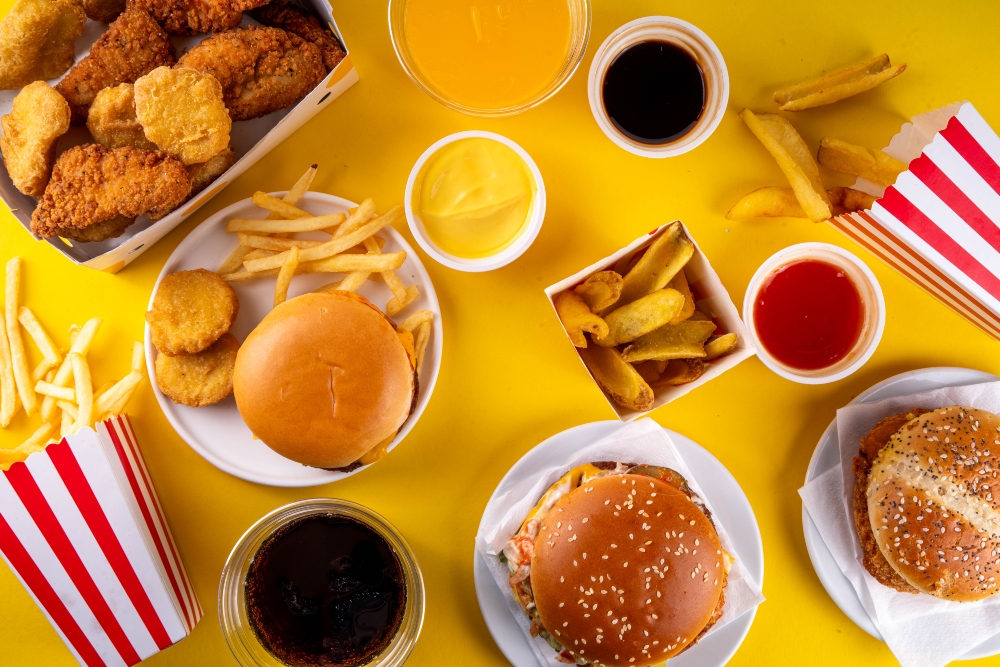
Ultra-processed foods bring several concerns together, making them Bulsiewicz’s biggest target for dietary change. He discusses a 2024 umbrella review in The BMJ that examined 45 meta-analyses covering nearly 10 million people. Thirty-two analyses found significant associations between ultra-processed food consumption and increased health risks.
He also highlights a 2019 randomized trial in which participants ate approximately 500 more calories daily on an ultra-processed diet than on an unprocessed diet. The diets were matched for several nutritional factors, yet participants consumed more food on the ultra-processed option.
Bulsiewicz says these products often contain little fiber, which can leave gut microbes without the fuel they need. Some also contain emulsifiers that researchers are investigating for potential effects on the gut microbiome and intestinal barrier.
His solution isn’t perfection or banning every packaged product. Instead, he favors an 80/20 approach, prioritizing recognizable ingredients and home-cooked meals most of the time.
Read more: 8 Daily Habits To Reduce Inflammation, According To A Gut Doctor
What to eat instead to help fight inflammation
Understanding which foods are linked to chronic inflammation and how they may affect your health is only half the story. Bulsiewicz’s message isn’t about building a forbidden-food list or fearing every indulgence. It’s about recognizing dietary patterns that may contribute to chronic inflammation while making room for sustainable changes.
For plant-based eaters, his closing advice offers a useful starting point: “Fiber, polyphenols, plant diversity, fermented foods, healthy fats.” These are the foods and nutrients he identifies as the backbone of an anti-inflammatory diet.
Rather than focusing only on what to cut, try adding more beans, whole grains, vegetables, fruit, nuts, and seeds to everyday meals. As Bulsiewicz emphasizes, “The pattern is what really matters.”
PBN runs a sponsored content model. To explore how you can get featured, please email [email protected] or visit everkinddigital.com.