Community
 Print
Print




When people think about inflammation, they often focus on what foods to avoid. But according to gastroenterologist and author Dr. Will Bulsiewicz, some of the most effective ways to support long-term health have little to do with restriction. In a recent YouTube video, Bulsiewicz shares the daily habits to reduce inflammation that shape his routine from morning to night. While food plays an important role, he also highlights simple practices like morning sunlight, movement, walking after meals, and maintaining a consistent bedtime. Together, these habits create what he describes as an anti-inflammatory pattern rather than a short-term diet.
Bulsiewicz, known to many as The Gut Health MD, is a board-certified gastroenterologist and the bestselling author of books including Fiber Fueled and Plant-Powered Plus. Throughout his work, he focuses on the connection between gut health, the microbiome, and chronic disease prevention. In this video, he walks viewers through a typical day and explains the eight daily habits to reduce inflammation that he follows consistently. His approach does not involve cleanses, detoxes, supplements, or strict food rules. Instead, it centers on fiber, polyphenols, healthy fats, fermented foods, and a handful of lifestyle practices that help the body and microbiome work in sync.
Read more: 5 Ways To Protect Your Gut From Chronic Stress
1. Start the day with water
Find more plant-forward tips to support your gut health and fight inflammation on Bulsiewicz’s YouTube channel and website.
The first thing Bulsiewicz reaches for each morning is a large glass of water.
He explains that after a full night without drinking and several trips to the bathroom, hydration is what the body needs most. Rather than immediately turning to coffee, he prioritizes replenishing fluids first.
For Bulsiewicz, this simple step helps prepare the body for the day ahead before introducing food or caffeine.
2. Get morning sunlight
The second habit has nothing to do with food.
After drinking water, Bulsiewicz steps outside to get natural light exposure, even if only for a few minutes. He says sunlight acts as a signal that tells the body the day has begun.
“Light is the switch,” Bulsiewicz explains.
He notes that the body’s circadian rhythm functions as a 24-hour clock that influences the immune system and inflammation levels throughout the day. Morning sunlight helps synchronize that clock, allowing the body’s cells and gut microbes to operate on the same schedule.
Whether it is a walk through the yard or sitting on the porch, he says the goal is simply to let natural light reach the face early in the morning.
3. Move before checking your phone
Another non-food habit follows immediately after sunlight. Bulsiewicz likes to take a walk with his wife and children, often wearing a weighted ruck vest. However, he stresses that the specific activity is less important than simply moving.
Stretching, squats, jumping jacks, or any light movement can work. The goal is to raise the heart rate slightly, get the lungs working, and help the body fully wake up.
Importantly, he avoids diving into emails, social media, or work before completing this routine. Instead, he prioritizes water, light, and movement.
4. Build breakfast around fiber and polyphenols
Breakfast is where Bulsiewicz begins incorporating what he calls his four “workhorses”: fiber, polyphenols, healthy fats, and fermented foods. His go-to meal is overnight oats made with organic rolled oats, ground chia seeds, and homemade soy milk, topped with berries and walnuts.
Each ingredient serves a specific purpose. The oats provide beta-glucan, a soluble fiber that feeds beneficial gut microbes. These microbes produce short-chain fatty acids, compounds linked to reduced inflammation in the colon.
Ground chia seeds contribute additional fiber and omega-3 fats. Bulsiewicz prefers grinding them because whole chia seeds often pass through the digestive system largely intact.
Soy milk provides protein, calcium, and isoflavones from soybeans. He recommends choosing varieties made with only soybeans and water whenever possible.
The berries deliver polyphenols, plant compounds associated with health benefits. “The deeper the pigment, the more the polyphenols,” Bulsiewicz says.
Walnuts add healthy fats and omega-3s. He points to research showing that people who ate walnuts daily experienced significant reductions in inflammatory markers.
The meal also helps him work toward his goal of consuming around 30 grams of fiber per day. According to Bulsiewicz, research shows that people eating roughly 30 grams daily have about half the likelihood of elevated C-reactive protein levels, a common marker of inflammation.
5. Walk after every meal
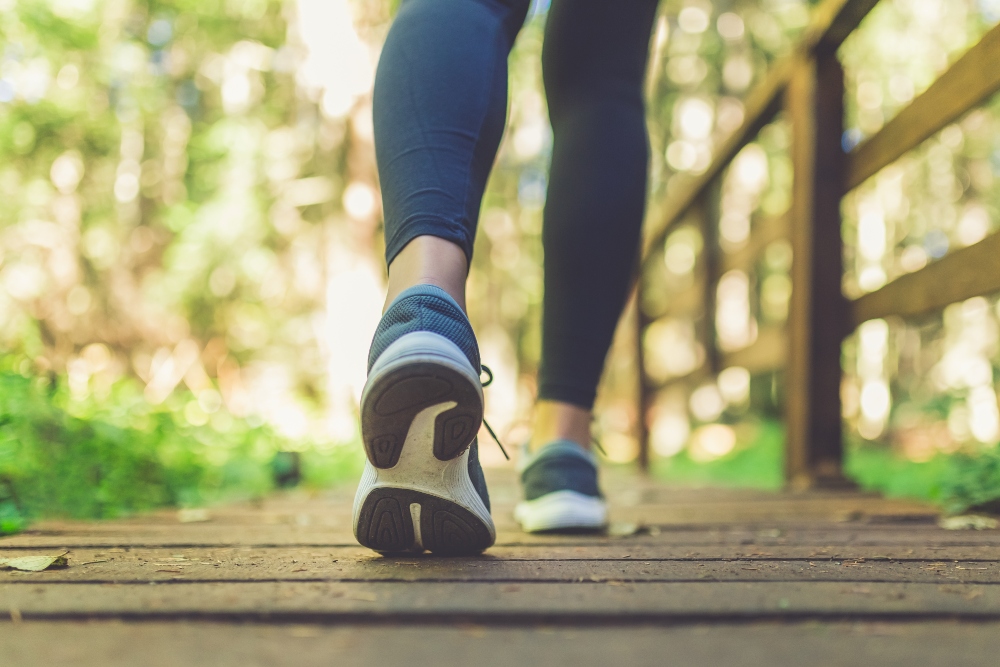
One of Bulsiewicz’s favorite anti-inflammatory habits comes after eating rather than during meals. He describes post-meal walks as one of the most underrated health tools available.
Research, including a meta-analysis he references, shows that light walking after meals can lower blood glucose and insulin levels compared with remaining seated.
Bulsiewicz says even 10 minutes can make a difference. Why does this matter for inflammation? He explains that blood sugar spikes can increase oxidative stress and disrupt the gut barrier, both of which contribute to chronic low-grade inflammation.
A short walk helps reduce those effects while supporting digestion and reducing bloating.
6. Prioritize beans, whole grains, and variety at lunch
Lunch often consists of leftovers such as chili, soup, or stew. The key ingredients remain consistent: beans and whole grains. Bulsiewicz and his family cook large batches of beans weekly and keep grains like farro, quinoa, or brown rice ready to use throughout the week.
One surprising benefit of leftovers, he says, is that some foods become even better for gut health after cooling. Legumes and whole grains develop resistant starch when refrigerated. Resistant starch feeds different microbes than regular fiber and promotes the production of beneficial short-chain fatty acids.
“I want to give a quick shout out to legumes because I feel like they are the most underrated food in the American diet,” Bulsiewicz says.
He notes that legumes are inexpensive, shelf-stable, and rich in fiber. A single cup can provide around 12 grams.
To increase plant diversity, he pairs meals with simple salads made from whatever vegetables, nuts, and seeds are available. Extra virgin olive oil is a regular addition because of its polyphenol content.
This emphasis on variety is central to his philosophy. He references findings from the American Gut Project, which showed that people consuming 30 or more different plant foods per week tended to have the healthiest gut microbiomes.
7. Include matcha, fruit, and fermented foods
During the afternoon, Bulsiewicz keeps things simple. A cup of matcha is one of his favorite choices because it is rich in polyphenols. “I would actually argue that matcha is a microbiome drink,” he says. If he wants a snack, he typically reaches for fruit such as apples or oranges.
By dinner, fermented foods become a priority. His typical burrito bowl contains farro, black beans, fresh salsa, avocado, pumpkin seeds, and a variety of vegetables. Alongside it, he often serves kimchi.
Fermented foods provide beneficial microbes, but Bulsiewicz notes that they should be eaten cold whenever possible because heat destroys live cultures. For him, fermented foods represent the fourth major component of his anti-inflammatory eating pattern.
8. Finish eating early and keep a consistent bedtime
The final habit again moves away from food and toward daily rhythm. Bulsiewicz tries to finish dinner by 7 p.m. and avoids eating afterward. “The gut does most of its repair work overnight,” he explains.
He says the microbiome shifts, the gut lining regenerates, and important repair processes take place while the body sleeps. Finishing meals earlier gives the digestive system more time to transition into recovery mode.
As bedtime approaches, he dims lights and limits screen exposure. He has noticed that late-night laptop work negatively affects his sleep quality. Just as importantly, he aims to go to bed at roughly the same time every night.
“Consistency is actually incredibly powerful when you want an anti-inflammatory life,” Bulsiewicz says. He believes the body’s cells and microbes respond best when they can rely on a predictable daily rhythm.
Read more: Eating 30 Plants Per Week Could Transform Your Gut Health
A pattern, not a prescription
The thread connecting all of Bulsiewicz’s daily habits to reduce inflammation is consistency.
Rather than focusing on restrictive diets or expensive supplements, he builds his day around fiber-rich plant foods, fermented foods, movement, sunlight, hydration, and sleep. Some of the habits directly nourish the gut microbiome, while others support the body’s circadian rhythm and recovery processes.
As Bulsiewicz emphasizes throughout the video, the goal is not perfection. It is creating a pattern where healthy choices happen naturally and repeatedly, day after day.
Please note: PBN runs a sponsored content model. To explore how you can get featured, please email [email protected] or visit everkinddigital.com.