Community
 Print
Print




If you’ve ever wondered whether when you eat your food matters just as much as what you eat, a recent study on meal and snack timing is raising some genuinely unexpected questions. According to a breakdown from Plant Based Science London, shifting your fruit and vegetable consumption to different times of day could influence long-term health outcomes in ways most people don’t consider.
Plant Based Science London, a platform focused on breaking down complex nutrition research into clear, accessible videos, explores a large-scale study examining how meal timing affects the risk of death from major diseases. The findings, presented in a recent video, don’t suggest strict rules, but they do offer a fascinating look at how our bodies respond differently to foods across the day.
Read more: This Everyday Plant Food May Do More For Your Health Than You Think
What the study looked at
The research analyzed data from more than 21,000 participants in the US National Health and Nutrition Examination Survey between 2003 and 2014. It grouped eating patterns by both food type and timing. This included fruit-based, vegetable-based, and Western-style meals across breakfast, lunch, and dinner, as well as snack patterns.
Researchers then linked these patterns to outcomes like cardiovascular disease, cancer, and overall mortality. As the video explains, “The research examined the impact of dietary pattern and timing of consumption on risk of death from all causes, cardiovascular disease, and cancer.”
The broader idea builds on existing evidence that aligning food intake with circadian rhythms, eating more earlier in the day and less at night, supports better health.
The unexpected finding about vegetables
One of the most surprising results from this study about meal timing centers on when vegetables are eaten.
Vegetables consumed at dinner were strongly associated with better health outcomes. The pattern was linked to a 31 percent lower risk of all-cause mortality, a 23 percent lower risk of cardiovascular death, and a 37 percent lower risk of cancer mortality.
But vegetables eaten at lunch did not show the same level of benefit.
As highlighted in the video, “Vegetables at dinner was significantly associated with lower risks of cancer, cardiovascular disease, and all-cause mortalities.” In contrast, lunchtime vegetables didn’t appear to deliver these additional protective effects.
Importantly, this does not mean vegetables are harmful at lunch. It simply suggests they may offer extra benefits when eaten later in the day.
Why dinner might be the best time for vegetables
The explanation may come down to the gut microbiome and circadian biology.
Researchers suggest that fiber-fermenting gut bacteria are more active in the evening. These bacteria break down fiber from vegetables into short-chain fatty acids like butyrate, which are linked to anti-inflammatory and anti-cancer effects.
The video explains that “abundance of bacteria that use dietary fiber from vegetables to generate short-chain fatty acids is frequently highest at night.”
If the microbiome is more active later in the day, it could mean your body extracts more benefit from vegetables eaten at dinner compared to earlier meals.
Fruit works differently across the day
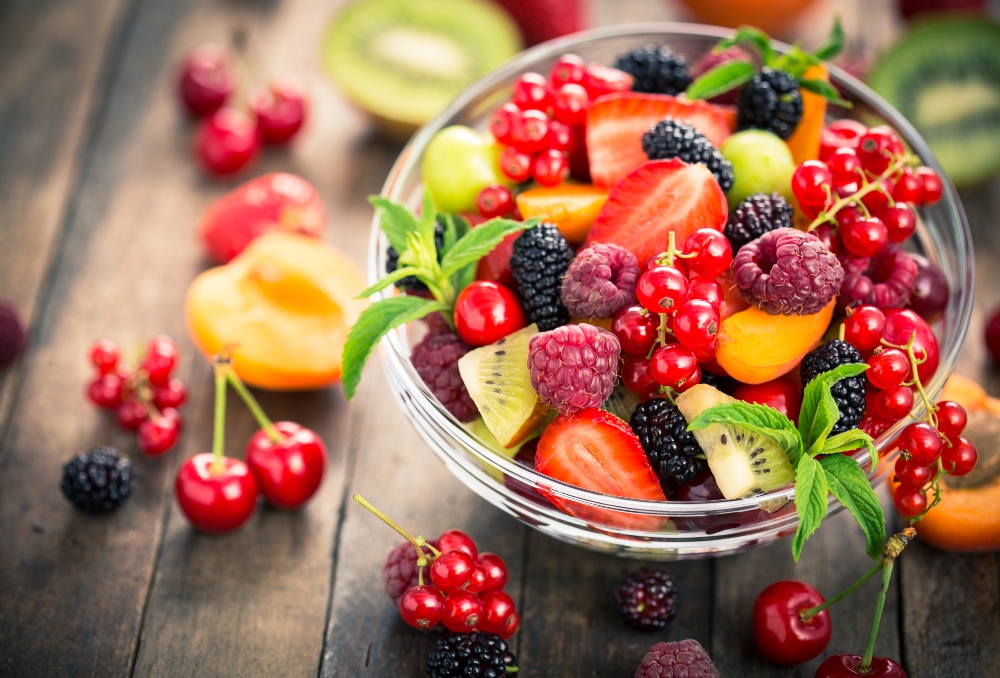
Fruit showed a different pattern in the study.
Eating fruit at lunch, or as a morning snack, was associated with reduced risk of disease and mortality. However, fruit eaten at dinner didn’t stand out in the same way.
One likely reason is how the body handles glucose. As the day goes on, glucose tolerance naturally declines, meaning the body becomes less efficient at processing sugars.
As the video explains, “natural sugars and fruits are better metabolized earlier in the day.” This helps explain why fruit appears to be more beneficial when eaten earlier. Earlier in the day, the body is better equipped to manage blood sugar.
What about snacks and other foods?
The study also looked at snack timing.
Fruit as a snack after breakfast was linked to better outcomes. Meanwhile, starchy snacks, particularly those based on white potatoes, were associated with increased risks. Evening dairy snacks were associated with reduced mortality. This is possibly because they contain sleep-related compounds like tryptophan, an amino acid linked to better sleep quality. However, the presenter points out that dairy might seem beneficial because many typical after-dinner snacks are less healthy.
As she explains, “when comparing dairy consumption in the evening to a typical American after-dinner snack of ice cream, chips, or cookies, dairy will always appear better.”
For plant-based eaters, foods like pumpkin seeds, tofu, and nuts provide tryptophan without relying on dairy.
Important context and limitations
While the findings are compelling, they come with important caveats.
This was an observational study based on self-reported dietary data, meaning it can only show associations, not direct cause and effect. As the video emphasizes, “correlation does not mean causation.”
It’s also crucial to remember that vegetables and fruits remain beneficial at any time of day. Nutrients like polyphenols, carotenoids, flavonoids, and sulfur compounds still provide health benefits regardless of timing.
The takeaway from this meal timing study isn’t to avoid vegetables at lunch or fruit at dinner. Instead, it suggests that small shifts in timing may help maximize the benefits you already get from a healthy diet.
A simple way to apply this
Taken together, the findings point toward a practical rhythm. Eating fruit earlier in the day, when glucose control is stronger, may help the body process natural sugars more efficiently. In contrast, having vegetables in the evening could allow gut bacteria to extract more beneficial compounds. This is thanks to increased nighttime activity in the microbiome.
At the same time, keeping snacks lighter and less starchy throughout the day may further support better overall outcomes. It’s a subtle shift rather than a strict rule, but it offers a new perspective on how timing could play a role in getting the most out of plant-based foods.
You can view the video here. For more plant-based health and nutrition content check out Plant Based Science London’s YouTube channel.
Read more: The Hidden Dangers Of Not Eating Enough Fruit In A Polluted World