Community
 Print
Print



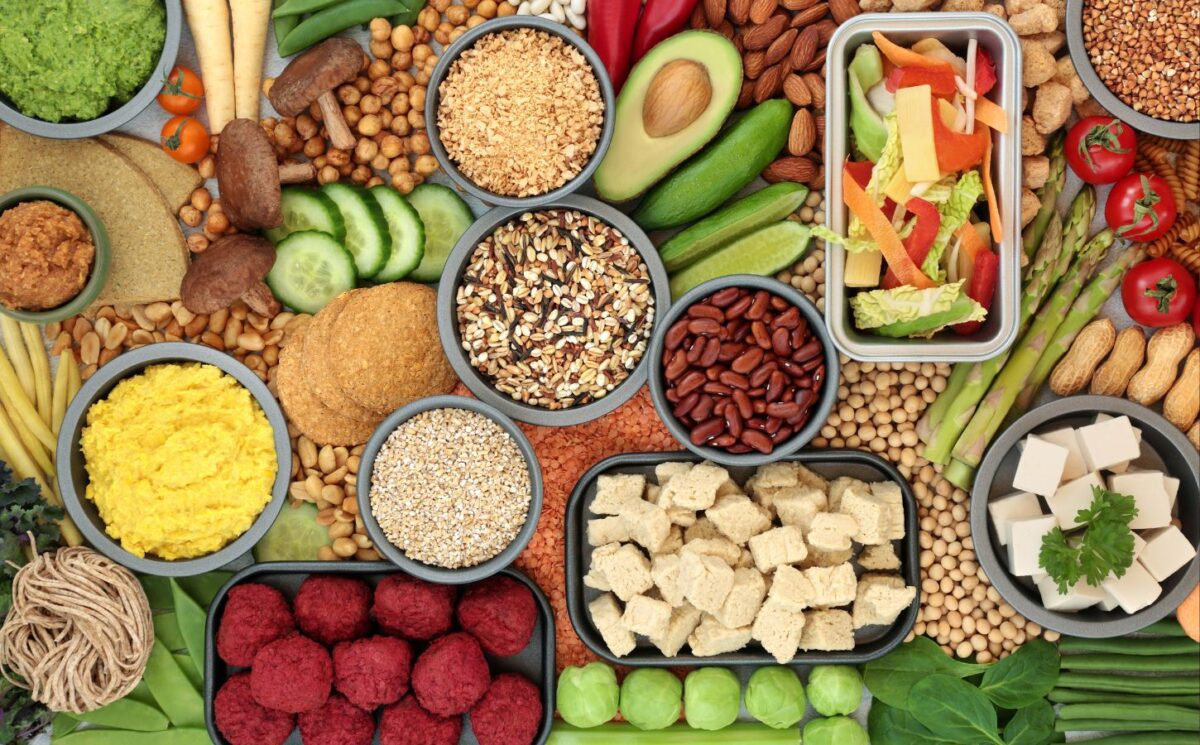
Clear, glowing skin is often marketed as something you can buy in a bottle. But according to physicians and nutrition researchers, what’s on your plate may matter just as much as what’s in your skincare routine. Interest is growing in trying a plant-based diet for skin health, as research increasingly links nutrition to cellular aging, inflammation, and collagen breakdown.
The Physicians Committee for Responsible Medicine (PCRM), known for its YouTube channel, recently shared a video explaining how plant foods may slow visible aging and support long-term skin health. In the video, Dr Roxie Becker walks through the science behind these effects, from telomeres to antioxidants.
Read more: Coffee Linked To Possible Anti-Aging Effects, Study Finds
Dr Becker is affiliated with the Physicians Committee, an organization that focuses on preventive medicine and nutrition research. Her work often centers on how diet influences chronic disease, aging, and skin health. In the video, Becker focuses on how everyday dietary choices can influence the biological processes behind wrinkles, elasticity, and skin repair.
As she explains early on, “A plant-based diet isn’t just good for your heart health and your metabolic health. It may actually slow down your skin’s biological clock, too.”
Telomeres, skin cells, and aging at the cellular level
To understand how diet affects the skin, Becker begins at the microscopic level.
“Let’s start by zooming in on our cells. At the ends of your chromosomes are these protective caps called telomeres. And you can think of them like the plastic tips on the ends of shoelaces.”
These caps, known scientifically as telomeres, shorten every time a cell divides. Becker explains, “Every time your cells multiply, those telomeres shorten. And when they get too short, our cells age and stop working properly. And these include our skin cells.”
She then points to research led by Dr Dean Ornish, which found that participants following a low-fat, whole-food plant-based diet experienced measurable changes at the cellular level. Becker notes that the study showed “a significant increase in an enzyme called telomerase,” referring to telomerase, which helps maintain telomere length.
“This enzyme is important because it’s vital for maintaining these telomeres and preventing them from shortening. This means that over time, cells and skin stay youthful for longer.”
In other words, a plant-based diet may work not only at the surface level but deep within the biology of skin cells.
Oxidative stress, collagen, and the protective role of plant foods
Becker identifies oxidative stress as one of the major drivers of skin aging.
“Free radicals are these highly reactive molecules that damage structures in our bodies,” she explains, adding that sunlight, pollution, smoking, stress, and unhealthy foods all contribute to this process.
“When this happens, we call it oxidative stress. And this leads to a breakdown of our collagen.”
Collagen gives skin its firmness and structure. As it breaks down, wrinkles and sagging become more visible.
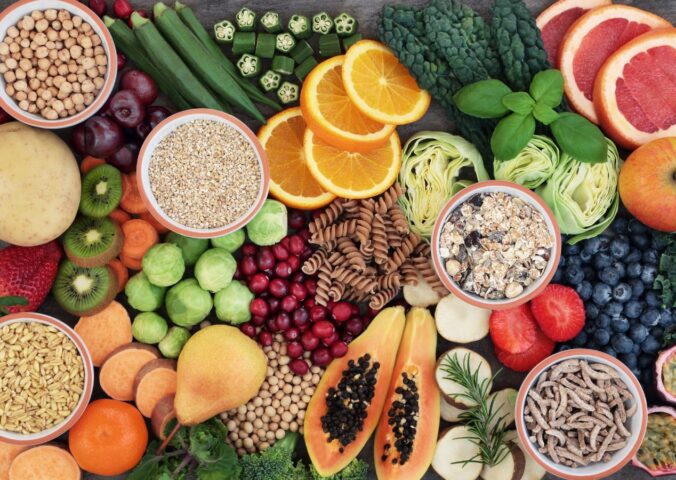
Plant foods, Becker says, provide a powerful defense. “Brightly colored fruits and vegetables are packed with antioxidants, which neutralize those free radicals before they can wreak havoc in our skin.”
She highlights several examples, including anthocyanins found in berries, carotenoids in carrots and orange sweet potatoes, and polyphenols in green tea.
Carotenoids, in particular, offer unique benefits. Becker explains that these compounds accumulate in the skin and act as a form of internal protection. People who consume more carotenoids often show “a natural healthy glow as well, and they experience less sun damage.”
Inflammation and ‘inflammaging’
Another key factor in skin aging is chronic inflammation.
Becker explains that diets high in processed meats, fried foods, sugary drinks, and ultra-processed products contribute to “chronic low-grade inflammation in the skin, which leads to something we call inflammaging.”
This inflammation damages both collagen and elastin, the fibers responsible for elasticity and resilience.
Plant foods have the opposite effect. “Leafy greens, nuts, seeds, and legumes calm that internal fire, helping our skin to stay firm and maintain its youthful structure.”
This anti-inflammatory effect is one of the main reasons researchers increasingly recommend a plant-based diet for skin health as part of preventive medicine.
Key nutrients that support skin structure and hydration
Becker also highlights several nutrients that play specific roles in skin health.
Omega-3 fatty acids from flaxseeds, chia seeds, and hemp seeds help maintain the skin’s lipid barrier. She explains that these fats help “keep moisture in and irritants out and prevent dryness and premature fine lines.”
Vitamin C is equally important. “Not only is it an important antioxidant, but it’s also essential for collagen production,” Becker says, pointing to citrus fruits, bell peppers, and broccoli as rich sources.
Taken together, she summarizes the overall effect of a whole-food plant-based pattern:
“So, when you eat a diet rich in whole plant foods, you’re defending your skin on multiple levels. You’re protecting your telomeres, reducing oxidative stress and inflammation, boosting collagen, shielding against sun damage, and keeping your skin hydrated and glowing.”
The connection to acne and long-term skin clarity
Skin health isn’t only about aging. Diet also plays a role in acne and other inflammatory skin conditions.
Books like The Clear Skin Diet by social media influencers Nina and Randa Nelson explore how plant-based eating patterns may help reduce breakouts by lowering inflammation, stabilizing blood sugar, and reducing exposure to dairy and high-glycemic foods often linked to acne.
While results vary from person to person, growing evidence suggests that the same mechanisms Becker describes, reduced oxidative stress, improved cellular repair, and lower inflammation, may also help the skin heal and maintain clarity over time.
For many people, the takeaway is simple: skincare routines can help, but what you eat every day may be one of the most powerful tools for maintaining healthy skin from the inside out.
For more plant-based health videos, visit the PCRM YouTube channel.
Read more: Do Vegan Collagen Products Work? What You Need To Know