Community
 Print


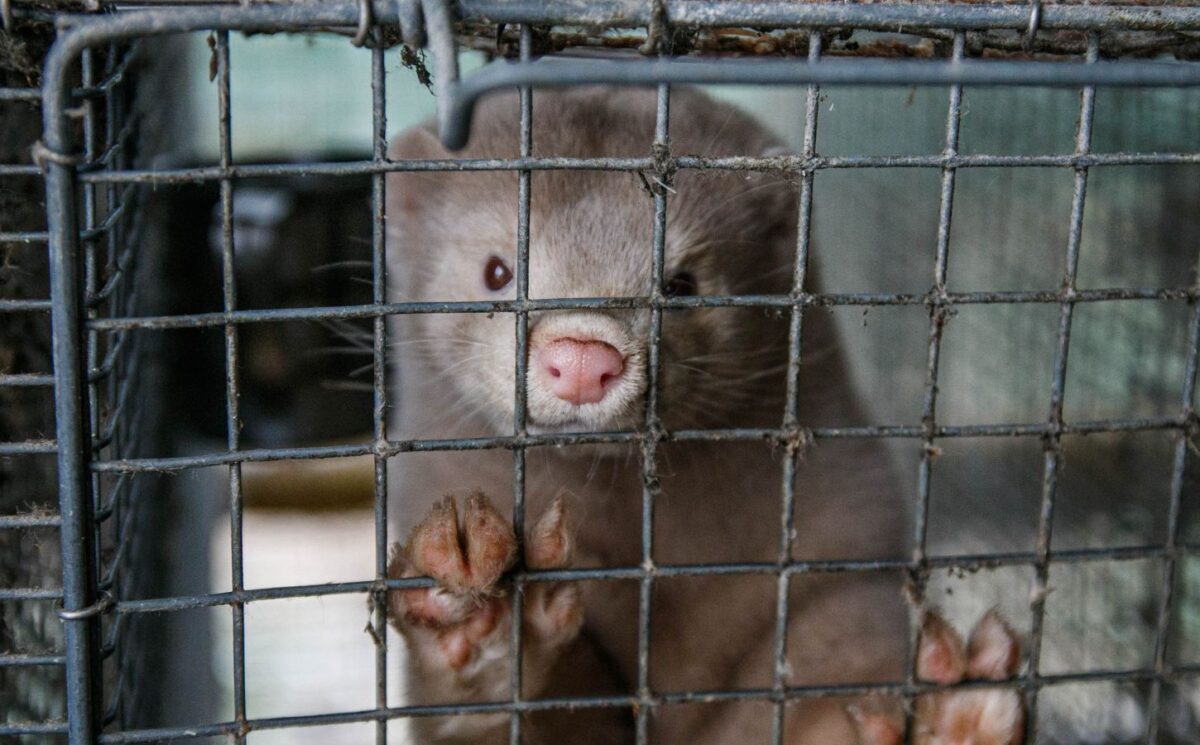
Denmark is expected to join the EU’s ban on mink farming.
After initially opposing the ban, the Danish government has chosen not to seek an exemption and will have to close its seven remaining mink farms by August, 2029.
Read more: Over 90% Of Britain’s Abattoirs Have Disappeared Since The 70s – Here’s Why That’s Bad For Animals
Campaign groups such as Eurogroup for Animals welcomed the news, and as reported by the BBC, Danish Nature Minister Christian Rabjerg Madsen said that the government had chosen animal welfare in its decision to adhere to the ban.
He added, “A business should not continue just because it has existed for a long time. It should also make sense for society, for the economy, and for the animals.”
Britta Riis, the director of Dyrenes Beskyttelse (Danish Society of Animal Protection), said, “Mink farming is one of the most animal-hating productions we know of. It is an outdated industry that is based on cramming the animals together in small wire cages in long rows, where they spend their entire lives.
“This could not be further from their natural needs. Therefore, it is a great relief that mink farming is now being banned.”
COVID-19 and culling 17 million mink
Denmark was previously the largest producer of mink skins in the world.
By intensively farming mink in cramped, dirty conditions, the industry poses a significant risk of spreading zoonotic diseases, causing future pandemics, and harming public health. In 2020, Danish mink farms halted production and culled 17 million animals in an attempt to contain a mutated strain of the COVID-19 virus.
The industry was re-legalized in 2023, but in 2025, the EU first introduced its Europe-wide ban. There are currently around 15,000 mink left in Denmark.
Read more: UK Government Announces Planned End Of CO2 Stunning For Pigs
‘We may get unlucky’
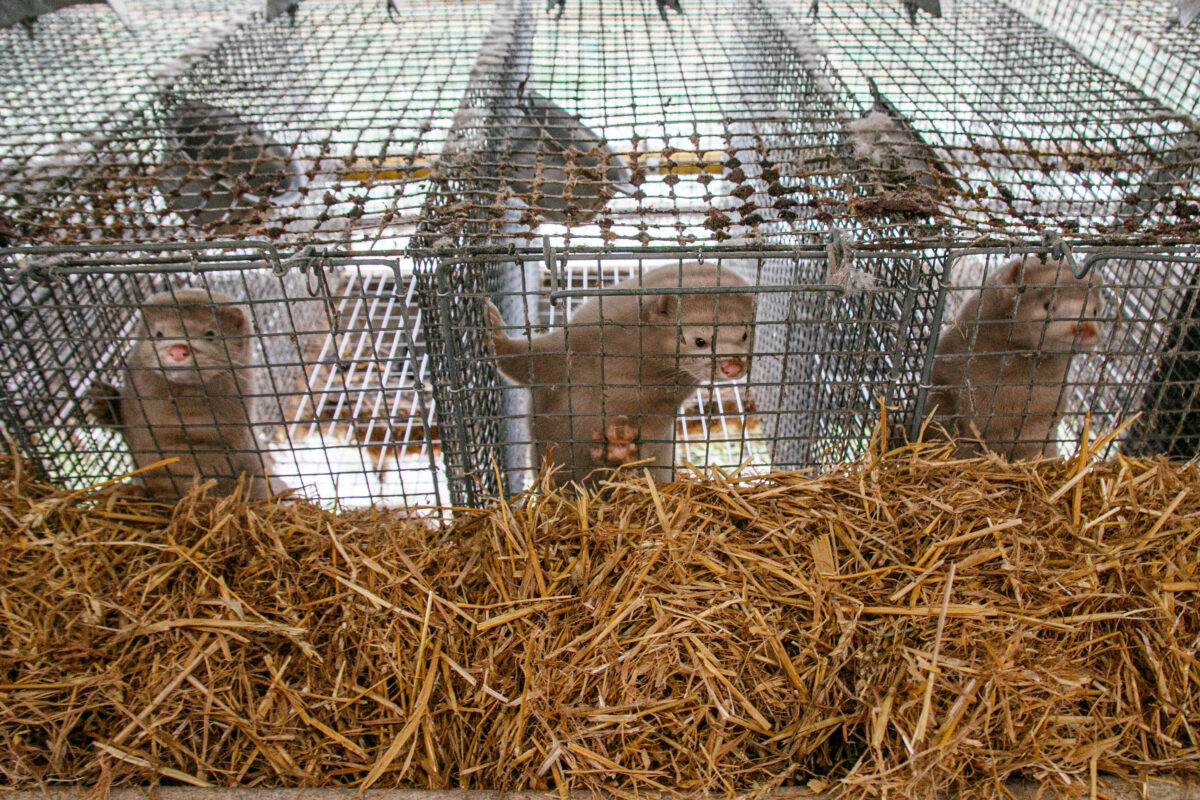
A recent report by investigative journalists at ProPublica found that an H5N1 bird flu outbreak has been “raging uncontrolled” on a Utah mink farm for two months, but that state officials are prioritizing the needs of the fur industry. Despite CDC guidance, officials have also declined to monitor or test workers, even those with symptoms.
Speaking to ProPublica, Meghan Davis, an epidemiologist at Johns Hopkins University, said, “We might get lucky, and a response that is not robust may not have dire consequences,” and added, “But we may get unlucky.”
Mink farms aren’t the only US factory farms experiencing bird flu outbreaks.
Over 2.6 million birds on poultry farms have been infected in the past month alone, and on November 2, a Washington resident died after being infected with H5N1.
Last year, US Health Secretary RFK Jr suggested simply letting bird flu outbreaks “run through the flock,” and falsely claimed that H5N1 doesn’t harm wild birds.
PBN runs a sponsored content model. To explore how you can get featured, please email [email protected] or visit everkinddigital.com