Community
 Print
Print




A new study has found that Switzerland’s meat and dairy intake is up to 850 percent higher than recommended by the EAT-Lancet Planetary Health Diet.
The study also found that many Swiss people significantly “underconsume” key plant-based foods, such as legumes, with those surveyed reaching just four percent of the recommended daily amount.
Read more: You Can Turn Lentils Into Fake Meat With This Simple Method
BMC Global and Public Health published “Assessing alignment of Swiss diets with the EAT-Lancet Planetary Health Diet recommendations” in August. The study’s authors analysed data from the Swiss 2014–2015 national nutrition survey, menuCH, related to 2057 adults aged 16 to 75. They then compared this to the Planetary Health Diet.
The highest level of overconsumption was meat (all kinds apart from poultry), and the study reported that, on average, people consumed 850 percent of the recommended daily amount. People also overconsumed dairy foods by 363 percent.
Legumes and unsaturated oils were the least consumed recommended foods, and people ate just four percent and 39 percent, respectively, of the recommended daily amount. Those surveyed adhered closest to the Planetary Health Diet in their consumption of grains (96 percent) and fish and seafood (103 percent). Overall, the study found that women adhered more closely to the plant-rich diet than men.
The study’s authors concluded, “Swiss dietary intakes exceeded [Planetary Health Diet] recommendations, particularly for meat and dairy foods, while legumes remain underconsumed. A shift towards more plant-based foods could improve alignment with health and environmental sustainability goals.”
The authors noted that the menuCH survey predates the significant growth in plant-based diets over the last decade, particularly amongst young people, so may not be representative of Swiss lifestyles in 2026.
Read more: EU Court Finds Switzerland Violated Vegan Prisoners’ ‘Freedom Of Conscience’
The benefits of increasing legume consumption
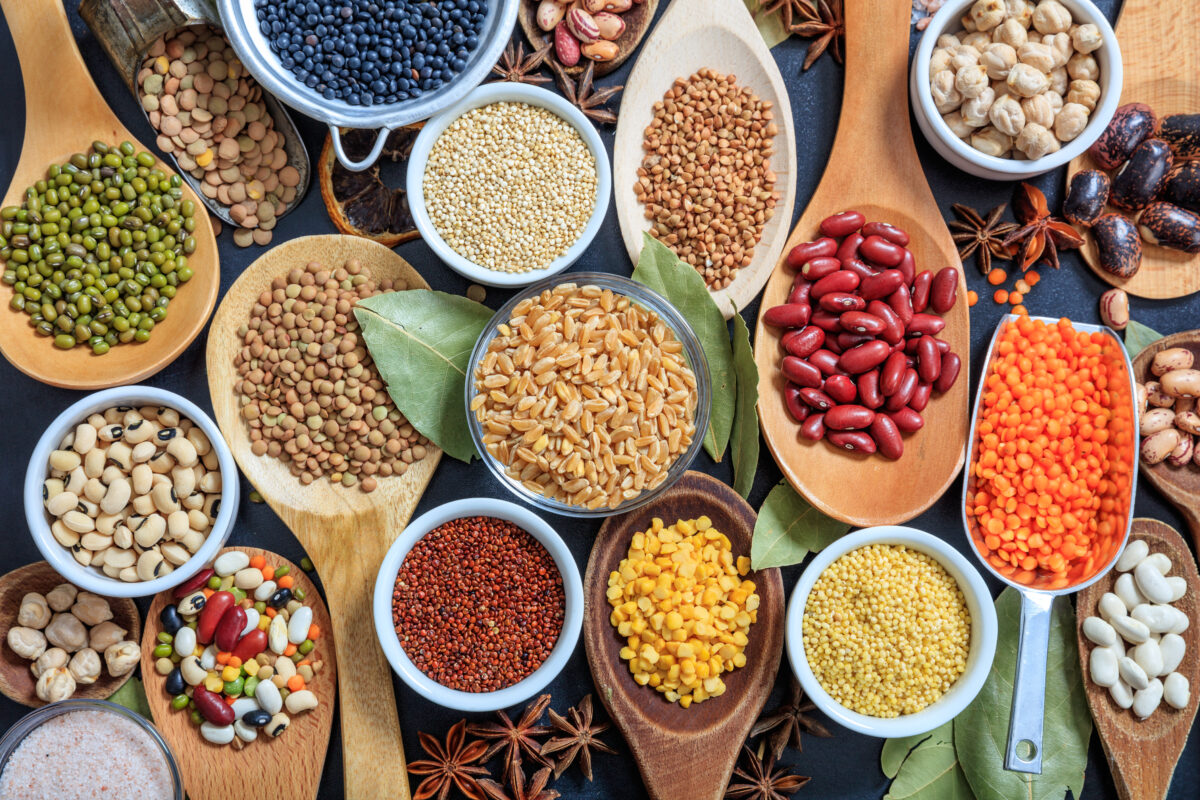
In May, a study found that there is a “probable causal relationship” between legume intake and a reduced risk of developing hypertension, or high blood pressure.
Also in May, a report found that doubling European fava bean consumption by 2040 could help to save around €42 million per year in healthcare costs, and reduce both pesticide use and CO2 emissions. Increasing legume production and consumption represents a simple but effective intervention in the intersecting environmental and health “crises” facing humanity, and could help support farmers and growers.
Last year, Switzerland rolled out new legislation that requires all foods produced by animals and involves “painful procedures” to clearly declare this information on the label. The new legislation has been active since July 1, 2025, but includes a two-year transitional period. It includes everyday products such as meat, eggs, and milk.
PBN runs a sponsored content model. To explore how you can get featured, please email [email protected] or visit everkinddigital.com