Community
 Print
Print




Nostalgia is still a “major barrier” to dietary change, including the widespread adoption of plant-based diets, according to new research.
The findings showed that many people’s lingering attachment to foods made with animal products often stems from links between certain flavors, aromas, and culinary traditions and their culture and experiences, rather than with meat itself.
Read more: Supermodel Christie Brinkley Says She Follows A Vegan ‘Organic Garden Rainbow Diet’
Psychology of Human-Animal Intergroup Relations (PHAIR) published “Looking Back and Feeding Forward: An Analysis of Food Nostalgia on Meat Eaters’ Attitudes Toward Transitioning to a Vegan Lifestyle” in July. The team behind the study carried out “semi-structured” interviews with 24 meat-eaters about their food-related attitudes and memories. This data was then processed using something called reflexive thematic analysis, which the researchers extrapolated into themes.
The researchers found that people’s emotional connections to food memories and culturally significant gatherings can be a barrier to change. However, after a thought exercise, most participants were able to view dietary changes positively.
‘Dietary change is not just a practical or nutritional issue’
The researchers noted that participants’ nostalgic attachments were “more about shared social experiences than specific foods,” and that understanding and catering to this nostalgia for significant foods could aid public health and vegan advocacy.
Aga Kosla of the University of Stirling’s Faculty of Natural Sciences led the research. She said, “Our research shows that dietary change is not just a practical or nutritional issue. Food is tied to identity, belonging, and family life, so vegan advocacy, activism, and public health messaging needs to engage with those emotional and cultural attachments.”
Kosla added, “This study highlights that resistance to plant-based diets is not simply about taste or convenience, but about maintaining continuity with the past and preserving meaningful traditions. Interestingly, participants often realised that it was the shared experience, not the specific ingredient, that mattered most.”
Read more: Global Uptake Of Plant-Rich Diets Could Help Reduce Emissions By 76%
Reducing social barriers with nostalgic or culturally significant vegan dishes
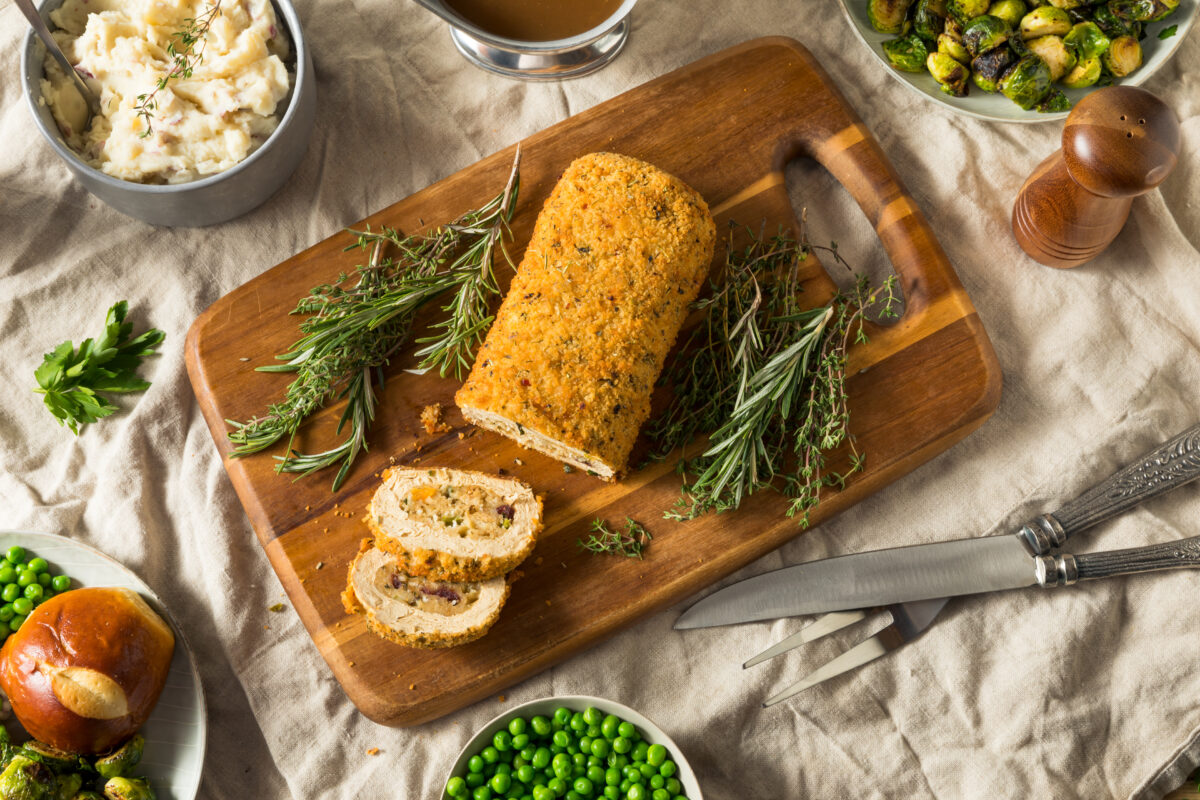
In the study, the researchers wrote that recreating nostalgic dishes with vegan ingredients has the potential to facilitate further uptake of plant-based diets by creating novel but “equally meaningful” memories while preserving cultural traditions.
The team’s findings also showed that while changing dietary requirements appeared to be more difficult in family settings, friends were seen as more accommodating.
Dr Carol Jasper, a psychologist, committed vegan, and the primary supervisor for the Kosla’s research, said, “Recreating nostalgic or culturally significant dishes using vegan ingredients can make dietary change feel more accessible. This could also help reduce the social barriers people face, particularly in family settings.”
Jasper added, “Like culinary traditions from the past, the food of the future, crafted without the inclusion of meat and other animal-derived ingredients, may also evoke a sense of nostalgia and encourage the creation of new customs that can resonate with and enrich future generations.”
PBN runs a sponsored content model. To explore how you can get featured, please email [email protected] or visit everkinddigital.com