Community
 Print
Print



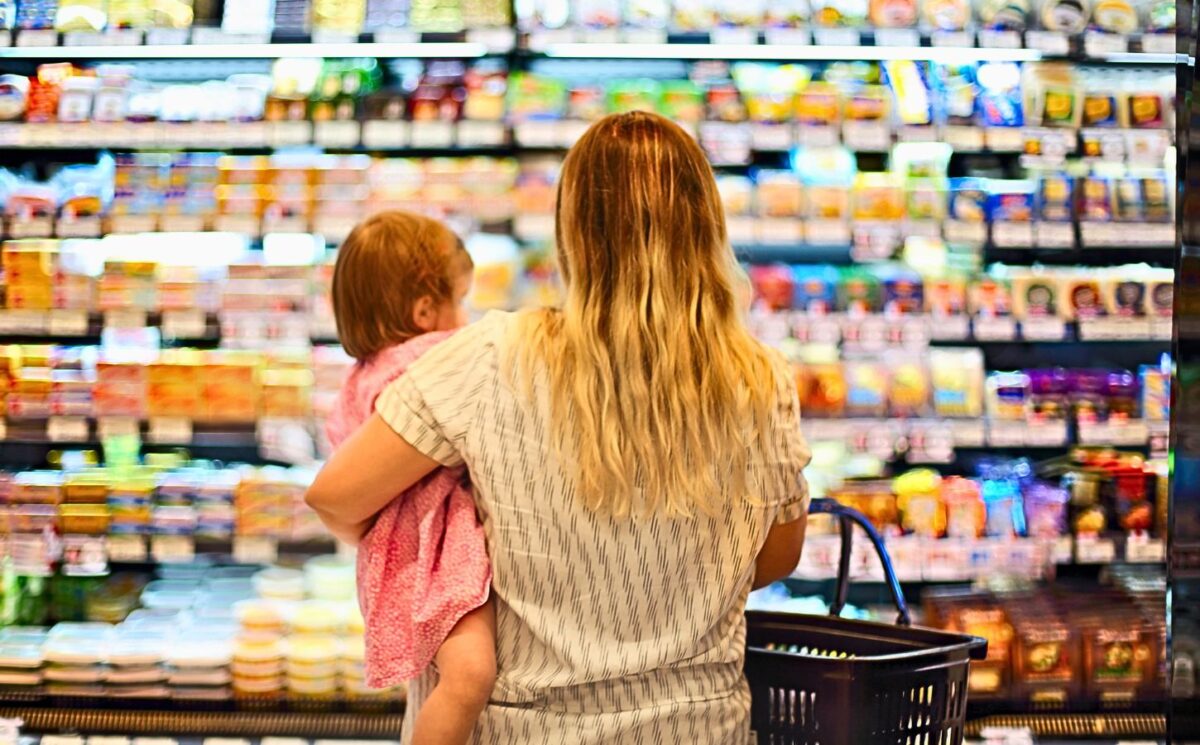
Over 80 percent of food for toddlers and young children sold at US grocery stores is ultra-processed, according to a new audit.
The audit also found that 49 percent of products failed to meet one of the World Health Organization’s (WHO) nutritional standards for infants and kids.
Read more: Kids Everywhere Need To Eat More Plant-Based Foods, Finds Study
Erin A Hudson, a Science Policy fellow and PhD candidate at the University of Texas in Austin, presented the findings of the audit at NUTRITION 2026, the annual meeting of the American Society for Nutrition (ASN), in July.
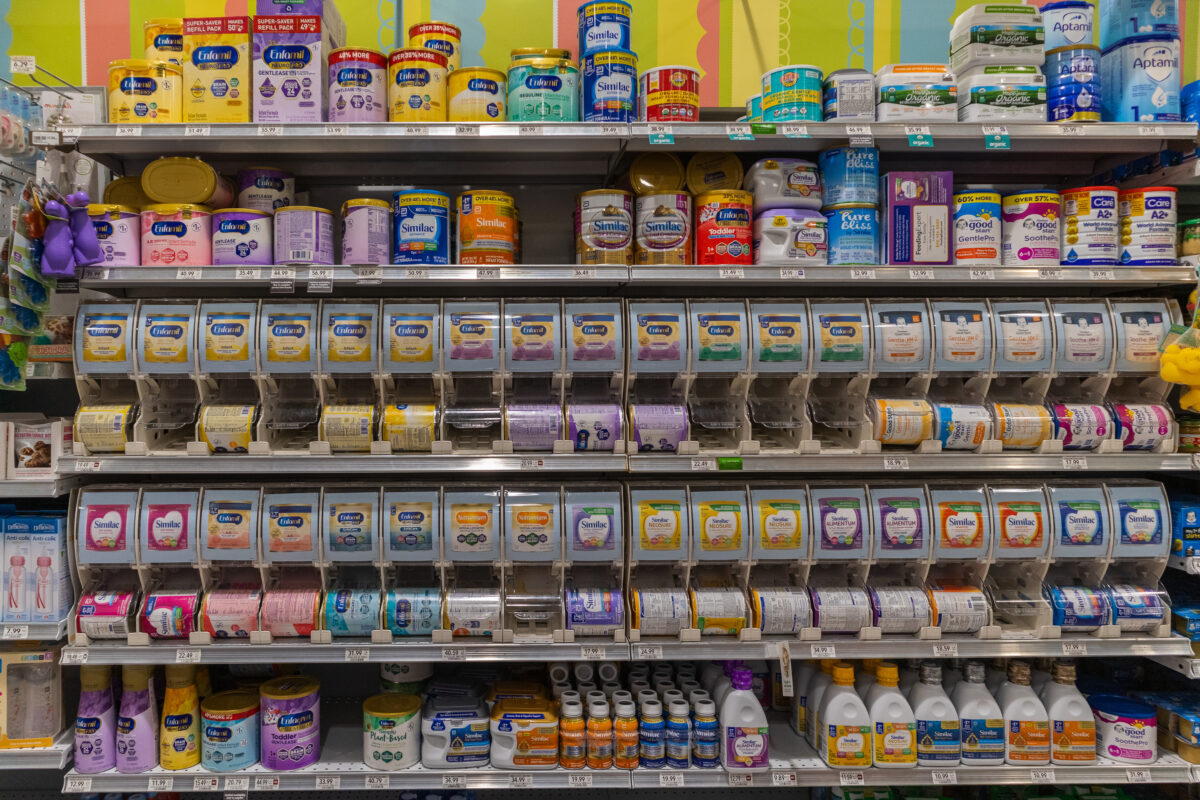
Hudson and a team of researchers carried out the audit by photographing the baby and toddler aisles in 21 grocery stores in Austin. They then analyzed the nutritional content of products labeled as suitable for children aged six to 36 months, excluding infant formulas, purees, and other common first foods for babies.
Out of 2,783 products, the researchers classified 81 percent as ultra-processed foods (UPFs). Twenty percent exceeded the WHO’s recommended sodium content, 17 percent contained too much sugar, 11 percent contained too much fat, and 12 percent failed to meet the recommendations for energy density. These products included turkey sticks, peanut and cheese puffs, oat bars, and fruit pouches.
‘Kids can eat whatever healthy foods and snacks the family is eating’
Optimal nutrition in the first few years of a child’s life is vital. According to the WHO, providing a nutritious diet “lowers morbidity and mortality, reduces the risk of chronic disease, and fosters better development overall.”
Marissa Burgermaster, assistant professor of nutritional sciences at the University of Texas and the study’s senior author, told CNN, “Parents don’t have to be on the baby and toddler aisle at the store once their kid is able to chew. Kids can eat whatever healthy foods and snacks the family is eating – just chop or mash it up.
“Industry has marketed these toddler foods to make parents believe these foods were created for the health of toddlers, and it’s just not true.”
Read more: Mikhaila Peterson Says The First Thing She Fed Her Baby Was Meat
UPFs, health risks, and the need for ‘important nuance’
Consumers are increasingly concerned about UPFs, and a growing body of evidence links the consumption of processed foods with an elevated risk of common non-communicable diseases (NCDs) like diabetes and heart disease.
In the US, RFK Jr’s recent Make Hospital Food Healthy Again Pledge has challenged hospitals to “put nutrition at the center of care” by cutting back on ultra-processed foods and serving “minimally processed” options instead. However, definitions of UPFs are still based primarily on the NOVA system, which refers to the extent to which a food has been processed rather than its actual nutritional value.
Last year, a study found that even ultra-processed plant-based foods may be better for heart health than unprocessed meat and dairy. Also last year, a guide to processed foods by the Good Food Institute (GFI) and the Physicians Association for Nutrition (PAN International) “important nuance” to distinguish between healthy and less healthy UPFs to provide clarity and avoid further consumer confusion.
“The conversation around ultra-processed foods has become increasingly polarized,” said Dr Roberta Alessandrini, director of PAN International’s Dietary Guidelines Initiative and co-author of the guide, at the time. “But not all UPFs are created equal.”
PBN runs a sponsored content model. To explore how you can get featured, please email [email protected] or visit everkinddigital.com