Community
 Print
Print



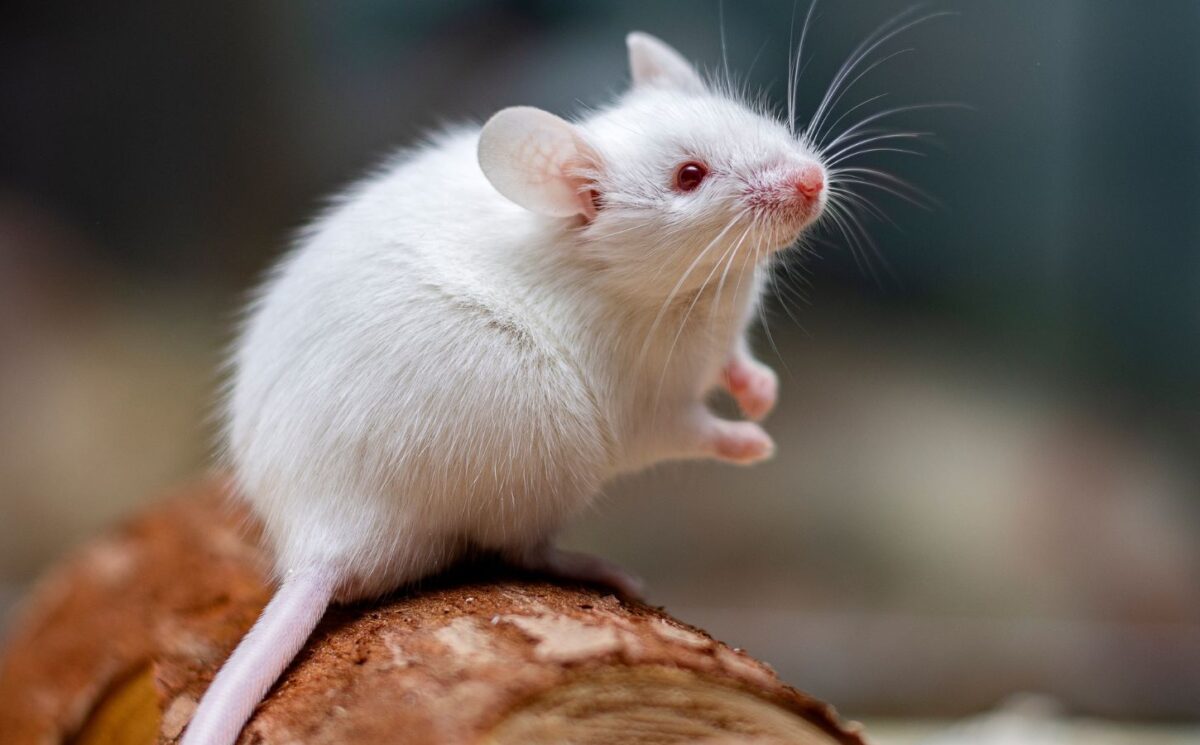
A research scientist has created an AI-powered “virtual mouse” to replace traditional animal testing in the emerging field of nanomedicine.
Using the virtual mouse in the development of nanomedicine is faster, more affordable, and more ethical than using a living creature.
Read more: The ‘Chickenification’ Of Fish: Is Aquaculture The Next Poultry Farming?
Jimeng Wu, a doctoral student in the Nanomaterials in Health and Technology and Society labs at Empa, Switzerland, developed a virtual mouse that draws on 18 pre-existing studies to model interventions without the need for new animal tests.
“This AI-supported screening tool allows researchers to virtually test which type of nanoparticles are best suited for a specific task before they even manufacture these particles,” Wu said, as reported by News Wise.
Wu’s next steps include feeding the virtual mouse with additional study data and then verifying it to increase the overall quality of its predictions. Her future research will also focus on a “bridge strategy” to apply the models of her mouse to a human model.
Switzerland, the home of Empa (the Swiss Federal Laboratories for Materials Science and Technology), has strict animal welfare legislation that requires researchers to keep animal experiments to the absolute minimum necessary.
Emerging technologies and alternatives, including AI, are increasingly used in research due to their many benefits. Other cruelty-free options include 3D bioprinted tissues, which can be used to create realistic samples, and organ-on-a-chip systems.
Read more: Scientists Just Reduced People’s Biological Age With A Four-Week Diet
Nanotechnology, nanomedicine, and alternatives to animal testing

The field of nanotechnology is focused on designing and using materials at an extremely small scale, the nanoscale, which includes matter from one to 100 nanometres in size. For context, 100 nanometres is approximately 1,000 times thinner than a single human hair, while DNA is just two nanometres wide.
Meanwhile, nanomedicine is the application of nanotechnology in healthcare by using tiny materials or devices to prevent, diagnose, and treat illness.
Nanomedicine represents a promising avenue of treatment for certain cancers and infectious diseases, though historically, live mice have been essential in modeling how nanomaterials are distributed throughout the body.
Emerging technologies and alternatives to animal testing, including Wu’s virtual mouse, have the potential to streamline and expedite future nanomedicine.
PBN runs a sponsored content model. To explore how you can get featured, please email [email protected] or visit everkinddigital.com