Community
 Print
Print



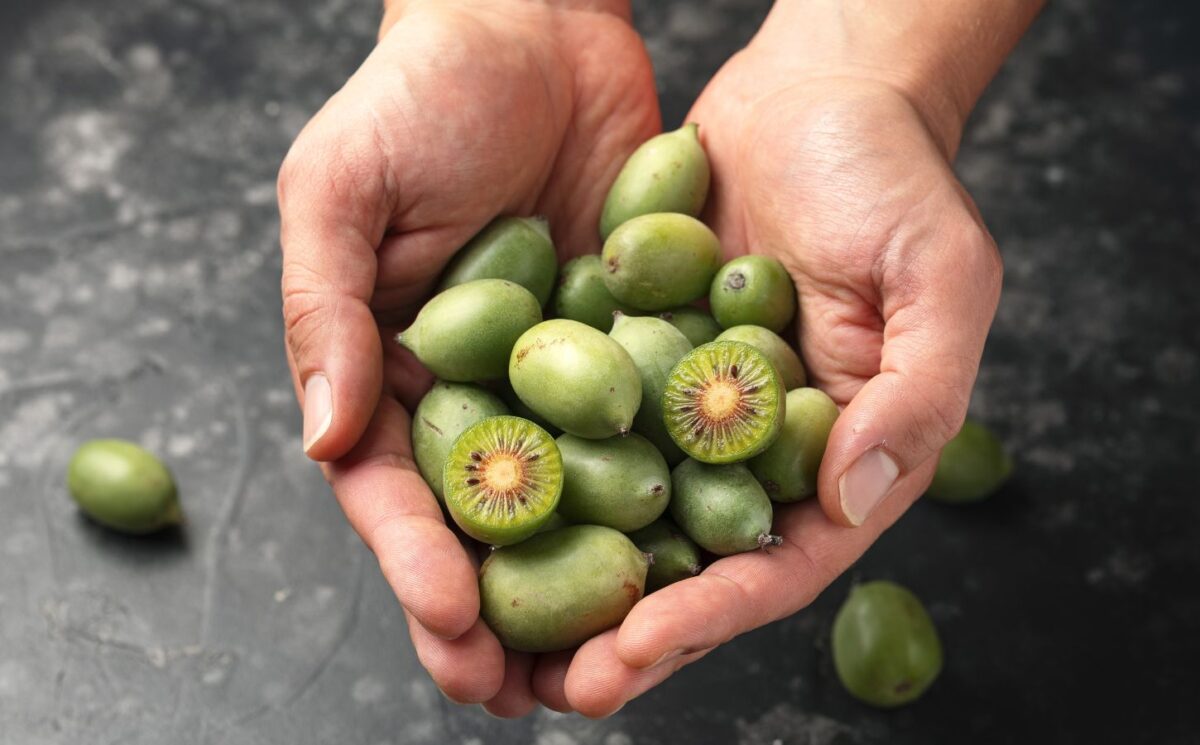
The kiwiberry, a tiny and sweet-tasting fruit, could help to slow or even prevent lung cancer, according to the latest in a series of studies.
A team of researchers has been assessing the chemopreventive effects of kiwiberry juice and the antimutagenic effects of kiwiberry-based tea. They have found that kiwiberries could potentially help prevent cancer and slow tumor growth.
Read more: Vegetarians Have ‘Substantially Lower’ Risk Of Developing 5 Types Of Cancer, Says Study
Sakae Arimoto-Kobayashi, the associate professor of Pharmaceutical Sciences at Okayama University in Japan, has been studying the impact of kiwiberries on cancer with a team of researchers for several years and across multiple studies.
Genes and Environment published the team’s study on the antimutagenic effects of kiwiberry-based tea in December last year, and a previous study on the fruit’s “chemopreventive effects and anti-tumorigenic mechanisms” in 2022. (Both studies involved testing on animals. Learn more about animal-free alternatives here.)
As reported by SciTechDaily, Arimoto-Kobayashi’s team found that juice from kiwiberries reduced lung tumor formation in mice exposed to NNK, a tobacco-specific carcinogen, and lowered the number of lung tumor nodules. The antioxidant isoquercetin (isoQ) also showed distinctive protective effects, and in cell experiments, the juice suppressed AKT enzymes, reducing cancer growth.
Arimoto-Kobayashi and his researchers also found that kiwiberry juice reduced the DNA-damaging effects of NNK and MNNG, which are mutation-causing chemicals.
They found that kiwiberry tea showed antimutagenic activity against mutagens like aflatoxin B1, benzo(a)pyrene, MeIQx, Trp-P-2, and PhIP, but less effective than juice. The tea also significantly reduced the presence of abnormal glands in the colon known as ACF, which are some of the earliest warning signs of colorectal tumors.
Read more: Nitrite-Cured Bacon Sales Plummet By £18.7 Million Due To Cancer Fears
Kiwiberries and gut health
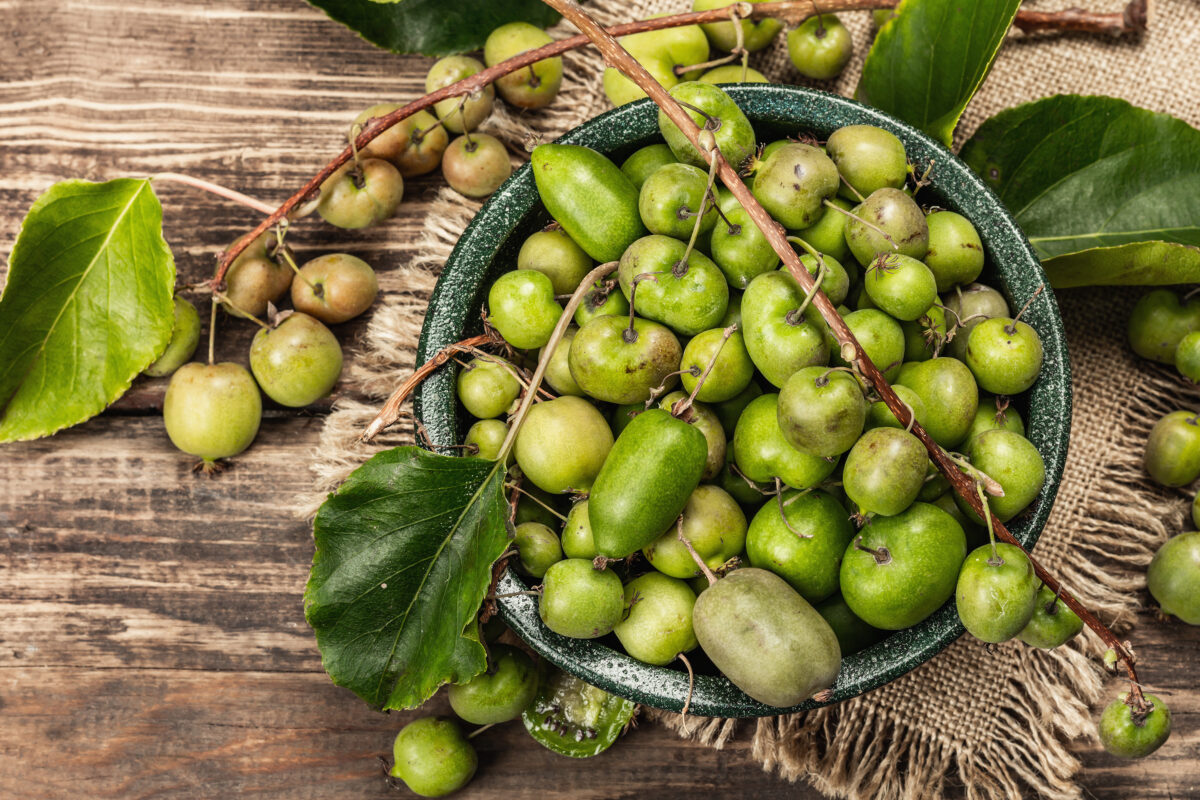
Kiwiberries (Actinidia arguta, or “hardy kiwi”) are a perennial fruit native to the Russian Far East, Northern China, Korea, and Japan. They are small, vine-growing versions of kiwifruits with the same distinctive internal pattern but no fur-like skin.
The berries have a similar taste to full-size kiwifruits, tangy and juicy, but with a slightly sweeter flavor. They can be eaten whole, just like grapes. In Japan, Kiwiberries are commonly known by the name sarunashi, or “monkey pear.”
Kiwiberries are an “excellent source” of vitamin C, vitamin B8 (myo-inositol), lutein, beta-carotene, chlorophylls, enzyme actinidin, antioxidants, and dietary fiber.
An unrelated study, published by the Journal of Future Foods in January, found that kiwiberries are notably antioxidant-rich due to their polysaccharides, and can help promote a healthy gut and relieve constipation.
Please note: PBN runs a sponsored content model. To explore how you can get featured, please email [email protected] or visit everkinddigital.com