Community
 Print
Print



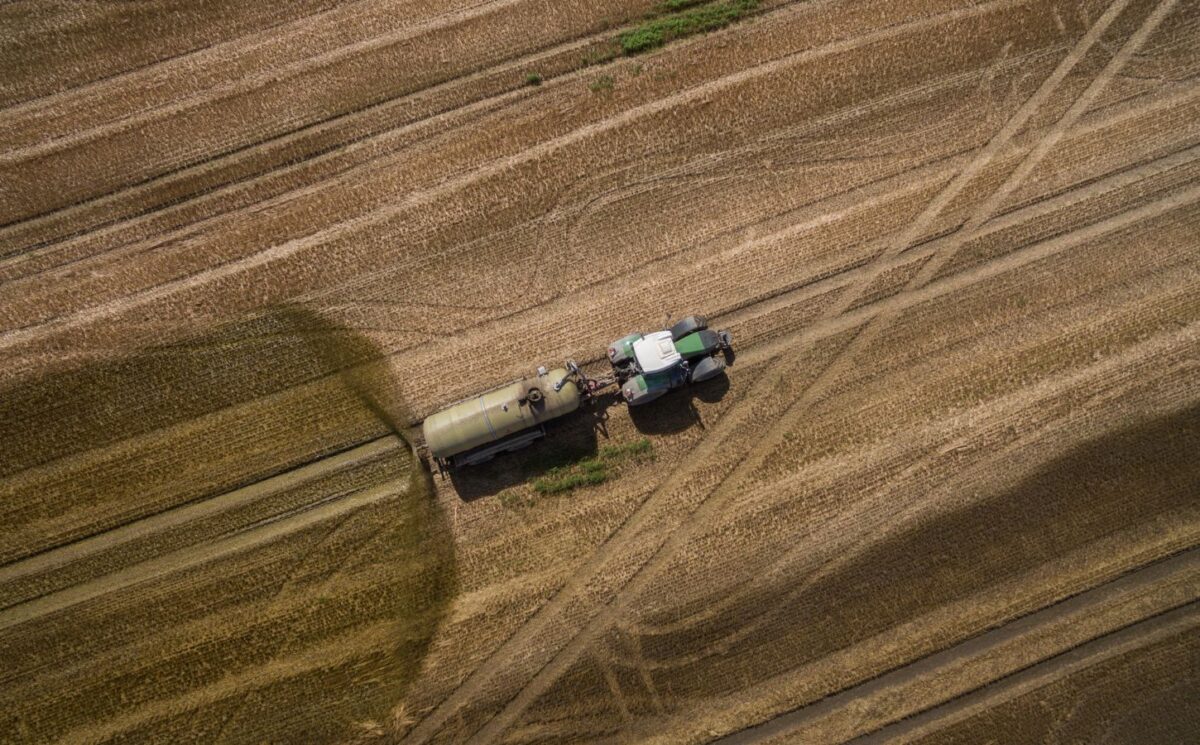
An “Ammonia Map” shows that UK pollution hotspots correlate with factory farms.
Compassion in World Farming (CIWF) and Sustain launched the new interactive Ammonia Map in March. CIWF said that it highlights “the vast amounts of ammonia emissions from intensive chicken and pig farms” that are fueling “a growing crisis.”
Read more: Celebrity-Backed Billboard Campaign Warns London Commuters About Factory Farming
As with CIWF’s Factory Farming Map and Muck Map, the Ammonia Map allows users to find out how much ammonia is actually released in each part of the UK.
Some of the regions with the highest output include North Herefordshire (2992 tonnes per year), Gainsborough (2308 tonnes) and adjoining areas (3,763 tonnes), and Norfolk (more than 11,700 tonnes). All of the locations with the highest ammonia pollution are known for their high volume of industrial chicken and pig farms.
CIWF noted that intensive indoor animal farming systems, such as those favored by factory farms, release the highest levels of ammonia of all. Overall, agriculture was responsible for 89 percent of total ammonia emissions in 2024, primarily from farmed animals, livestock waste, and NH₃-based fertilizer.
‘I see firsthand the toll that air pollution takes on people’s health’
Ammonia is important for plants, animals, and humans. But once released into the air, it becomes a harmful pollutant and respiratory irritant. It often gets blown across the country, acidifying the soil, killing waterways, and starving aquatic life.
Ammonia can react with other pollutants to form PM2.5, which are tiny, dangerous particles small enough to penetrate deeply into the lungs and body. According to CIWF, PM2.5 exposure is “strongly associated” with negative health outcomes such as asthma, cardiac arrhythmias, cardiovascular events, and premature death.
Long-term exposure can cause reduced lung development in children, chronic bronchitis, and lung cancer. Meanwhile, a new Yale study published in Environmental Research just linked factory farm proximity to increased overall cancer risk.
Dr Amir Khan, a GP and CIWF patron, said, “As a GP, I see firsthand the toll that air pollution takes on people’s health – and ammonia from intensive farming is a major, yet often overlooked, part of that problem.”
Read more: ‘Horror Story’ Pig Farm Hogwood Expected To Close This Year
UK government could make building factory farms easier
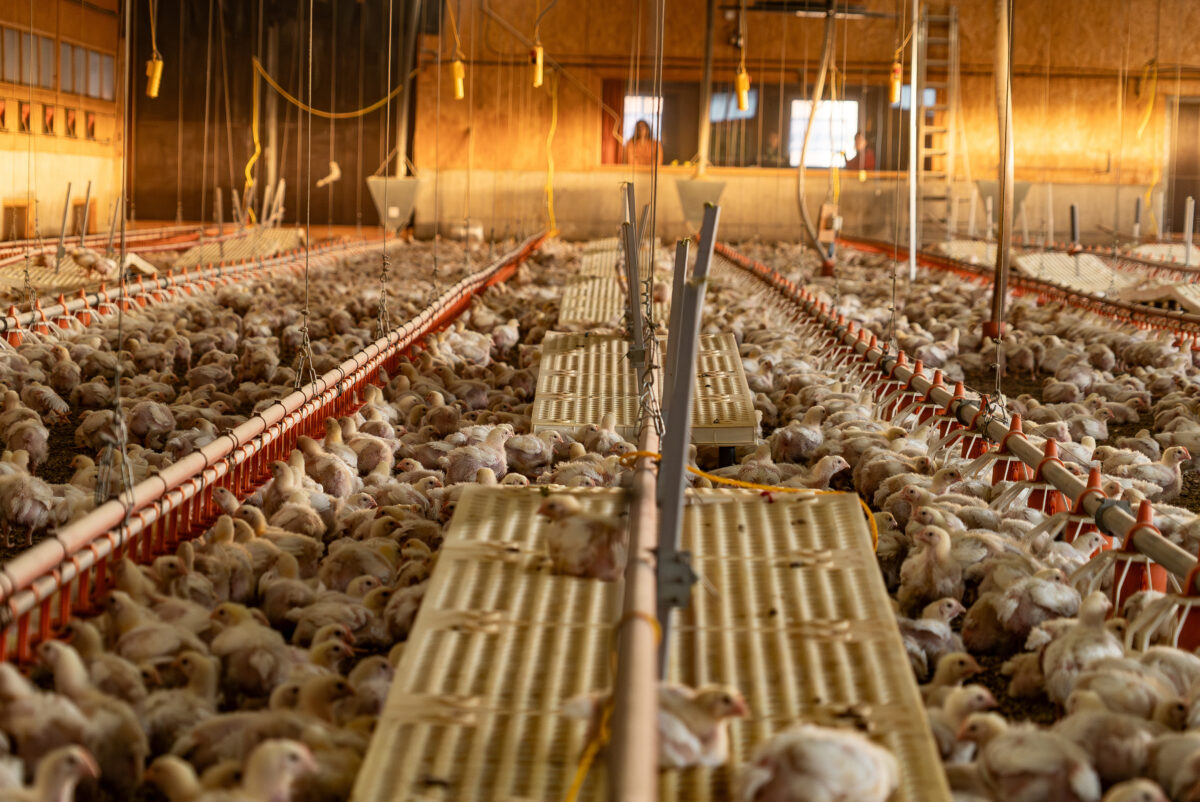
At the start of April, the Guardian reported that ministers were rewriting planning rules to make it easier to build factory farms in the UK, despite myriad concerns.
Documents obtained under the Freedom of Information Act showed that ministers have been discussing proposed changes to the national planning policy framework (NPPF) following at least two years of lobbying by chicken producers.
Potential changes include a higher bar for environmental refusals, making it more difficult for local authorities to adopt tougher rules, and a new emphasis on “better accommodation for livestock.” The industry says that this is necessary due to voluntarily lower stocking density, but critics remain skeptical, particularly in light of an industry-wide step back from high-welfare poultry in favor of “frankenchickens.”
‘The proposal will effectively give a green light to megafarm expansion’
A government spokesperson said, “We reject that our NPPF proposals are linked to lobbying – we have carefully considered how we can support all sectors whilst reflecting wider government priorities such as food security and safeguarding the environment.”
Maya Pardo, the lead campaigner for Communities Against Factory Farming (CAFF), said, “By directing decisionmakers to give ‘substantial weight’ to the economic benefits of livestock intensification, the proposal will effectively give a green light to megafarm expansion, despite well-documented damage to rivers, air quality, and rural communities.”
CAFF is currently fighting a planning application from Holbeach Poultry Ltd to build a megafarm in South Holland, Lincolnshire, one of the worst areas for pollution on CIWF’s Ammonia Map. A new factory farm for 552,120 birds (and an annual output of 3,865,000) would worsen the smells, noise, respiratory issues, and infrastructural damage that local people already experience from poultry farms in the area.
Please note: PBN runs a sponsored content model. To explore how you can get featured, please email [email protected] or visit everkinddigital.com