Community
 Print
Print



If you’ve ever dealt with unpredictable digestion, you’ll know how frustrating it can be to make sense of it all. Now, new research explored by YouTuber Mic the Vegan is putting forward a surprising idea: vitamin B1 and IBS may be more closely linked than previously thought.
Mic the Vegan, known for breaking down complex nutrition science on his channel, dives into a recent genetic study that does something unusual for this field. It suggests a causal link between IBS and thiamine, also known as vitamin B1. Instead of focusing on blood levels, the research points to a deficiency specifically in the gut lining, where it may directly affect how digestion works.
Read more: A Gut Doctor’s Survival Guide To Bloating On A Plant-Based Diet
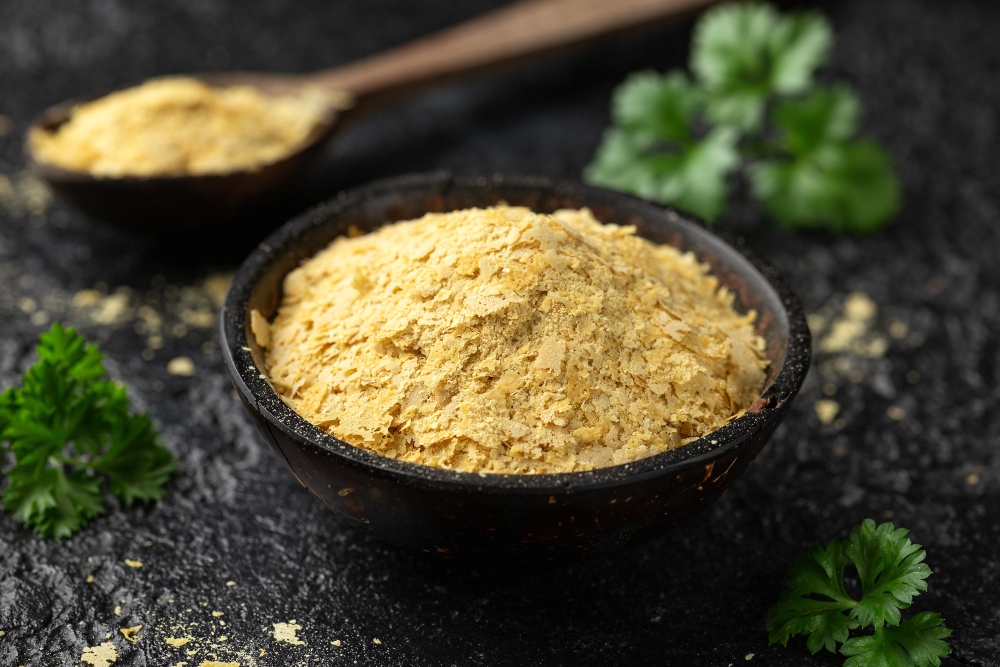
He explains that vitamin B1 is widely available in plant foods, highlighting options like nutritional yeast, tahini, and beans as top sources. “Virtually all of which are actually either plant-based or fungi,” he says, noting how common thiamine-rich foods are in plant-forward diets. While therapeutic doses in studies often involve supplements, he makes clear that everyday foods still contribute meaningfully.
A genetic clue that changes the conversation
The main study that Mic analyzes uses a Mendelian randomization approach, looking at how specific genes influence outcomes. Researchers identified genes involved in thiamine transport and activation, linking them directly to bowel movement patterns.
He highlights the significance of the finding, quoting the paper’s conclusion that it identifies “single variant causal effects” tied to vitamin B1 metabolism. In simple terms, this suggests that for some people, IBS may stem from how their body processes thiamine rather than just external triggers.
The researchers mapped stool frequency against these genes and found a U-shaped pattern, meaning both constipation and diarrhea could be linked to disruptions in thiamine function. This aligns closely with how IBS presents in real life and adds weight to the growing discussion around vitamin B1 and IBS.
Please note: This article is for informational purposes only and is not intended as medical advice. IBS is a complex condition, and you should consult a qualified healthcare professional before making any dietary or supplement changes.
How thiamine affects gut movement
Mic spends much of the video explaining the mechanism behind this connection. At the center of it is the autonomic nervous system, which controls involuntary processes like digestion.
He explains that digestion relies on peristalsis, the wave-like muscle contractions that move food through the gut. These movements depend on signals sent via the vagus nerve using a neurotransmitter called acetylcholine. Thiamine is essential for producing that signal.
“If you have a lack of thiamine you can end up not having enough acetylcholine to trigger those gut movements,” he says.
Without enough of this signal, the gut slows down. This can lead to constipation, which may then “flip-flop to diarrhea and other issues,” a hallmark of IBS. He compares it to running out of mobile data: the system is still there, but the signal can’t get through.
He also points out another layer. Thiamine helps signal the production of stomach acid. Without it, food may not be properly digested, increasing the risk of small intestinal bacterial overgrowth (SIBO), another condition often linked to IBS symptoms like bloating.
Why IBS affects more women
Mic highlights that most IBS cases occur in women and connects this to hormone regulation. Estrogen plays a role in how thiamine is used to produce acetylcholine.
“Estrogen regulates the production of acetylcholine from thiamine,” he explains.
This means hormonal fluctuations throughout the menstrual cycle could affect how much thiamine reaches the gut lining. In theory, this may explain why some people experience worsening digestive symptoms at certain times of the month.
Pain, fatigue, and other symptoms explained
The implications go beyond digestion. Mic describes how low thiamine can shift the body toward producing lactic acid instead of using normal pathways.
This creates a more acidic environment in the gut, which can activate pain receptors. It may help explain why many people experience widespread abdominal discomfort without visible abnormalities on scans.
He also explores findings from related studies. In one pilot study on inflammatory bowel disease, “10 patients out of 12 showed complete regression of fatigue,” after taking high-dose thiamine. A larger follow-up study found that 66 percent of participants saw improvements in fatigue after six months.
Mic also links thiamine to post-viral conditions and POTS (postural orthostatic tachycardia syndrome), which involve dysfunction in the autonomic nervous system. He explains that thiamine helps regulate involuntary processes like circulation as well as digestion, and notes that in one post-COVID study, fatigue scores dropped to zero faster in the thiamine group than in the placebo groups, with improvements also seen in symptoms like hair loss.
Diet, fiber, and the gut microbiome
Mic argues that diet plays a major role in whether the body maintains adequate thiamine levels in the gut.
Fiber is a key factor. It feeds beneficial bacteria like Bifidobacteria and Ruminococcus, which produce thiamine. “Fiber is feeding a lot of these different types of bacteria that produce their own thiamine in your gut,” he says.
On the flip side, high meat intake and low-fiber diets may shift the microbiome toward bacteria that consume or break down thiamine. Some bacteria can even produce enzymes that destroy it.
He also points to research on the EAT-Lancet diet, noting that people with lower adherence had “a 74 percent higher odds of having IBS.” Lower adherence typically means less fiber and more animal products.
Processed foods may also play a role. Sulfites, commonly used as preservatives, can chemically break down thiamine. Certain pesticides and antibiotics may reduce beneficial bacteria that help produce it.
What this means for IBS sufferers
While Mic is careful to say that not all IBS cases will be explained by vitamin deficiencies alone, the growing research into vitamin B1 and IBS opens a new avenue for understanding the condition.
“This is something that’s cheap and easy to try,” he says, referring to thiamine supplementation.
At the same time, he emphasizes a broader approach. Eating fiber-rich, plant-based foods may support both direct intake of thiamine and the gut bacteria that produce it. Avoiding ultra-processed foods and maintaining a healthy microbiome could also help protect thiamine levels where they matter most.
The research is still developing, but the idea that a simple nutrient imbalance in the gut lining could drive such a complex condition is gaining attention. As Mic puts it, “we have very little studies on IBS with actual answers,” making this a promising step forward.
You can find more videos about vegan health, science, and nutrition on Mic the Vegan’s YouTube channel.
Read more: Plant-Rich Diets Boost Gut Health, Study Finds