Community
 Print
Print



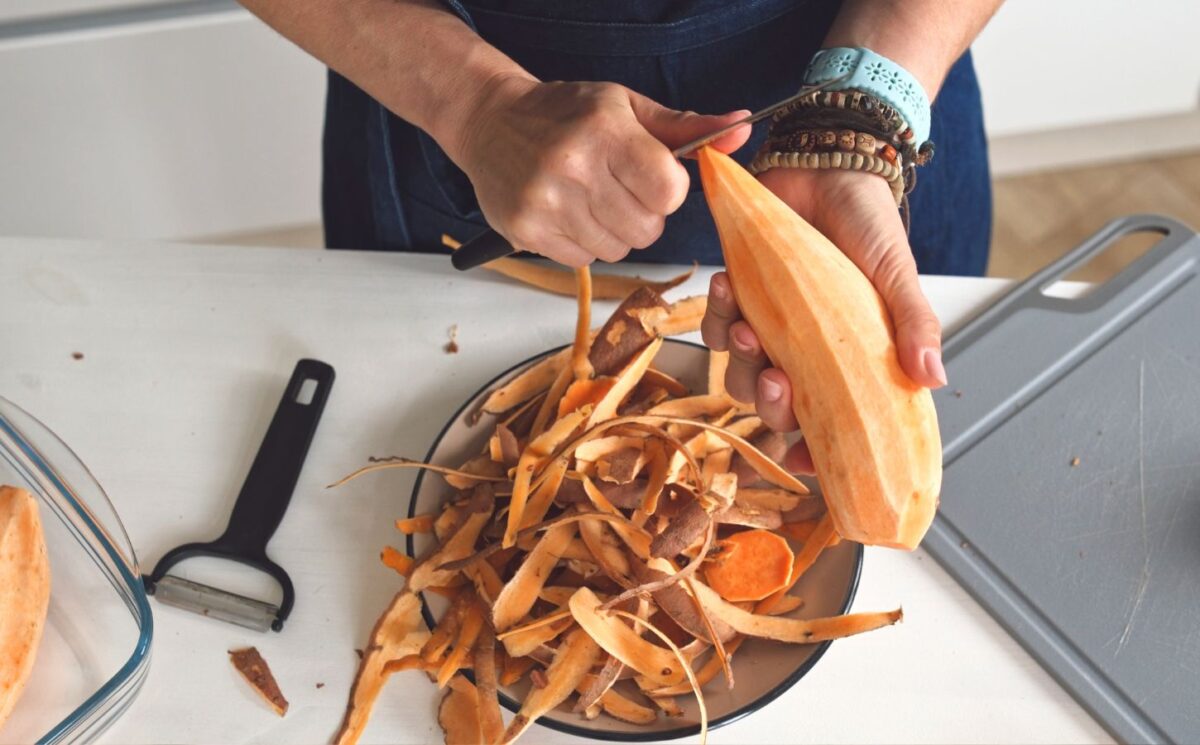
Most people grow up hearing the same advice: don’t peel your fruit and vegetables, because that’s where the nutrients are. It sounds sensible, and in many cases it’s true. But a recent video from Plant Based Science London shows the story is more complicated. Drawing on research and insights from Dr Michael Greger, the clip breaks down which fruits and vegetables to peel and which ones are better left intact, and why pesticide exposure changes the conversation.
Plant Based Science London focuses on compressing nutrition research into short, accessible videos that explain the health benefits of plant-based eating without the noise. In this case, the channel highlights guidance from Dr Michael Greger, the physician and author behind NutritionFacts.org, who is known for translating peer-reviewed research into practical food advice.
Read more: The Hidden Dangers Of Not Eating Enough Fruit In A Polluted World
Why fruit peels are usually worth keeping
Greger’s starting point is the antioxidant content of fruit peels. As the video explains, many fruits concentrate protective compounds in their skins. Apples are a clear example. Research shows the antioxidant activity of apple peel is four to five times higher than that of the flesh beneath it.
He explains the reason in simple terms. Fruit grows above ground and is exposed to oxygen. “The peel of a fruit is protecting it from oxidation because it’s exposed to the air,” he says. When you cut an apple open, and it turns brown, that reaction shows what oxygen does to the flesh. The peel prevents that, so it is packed with antioxidants that slow oxidation.
That is why, when thinking about which fruits and vegetables to peel, Greger says apples should rarely be peeled. Gram for gram, a large share of their phytonutrients sit in the skin.
Why underground veggies are different
The rule changes once you move below ground. Tubers and root vegetables are not exposed to air while growing, so they do not need the same antioxidant protection.
“There’s no oxygen underground,” Greger says, adding that peels on foods like carrots and sweet potatoes “do not have these exaggerated levels of antioxidants compared to the inside.” In fact, he notes he “would not be surprised if it’s disproportionately less.”
That leads to his simple guideline: “We should eat fruit peels, not tuber peels.” In other words, don’t peel foods that grow above ground, but peeling foods that grow underground does not come with the same nutritional downside.
Pesticides complicate the picture
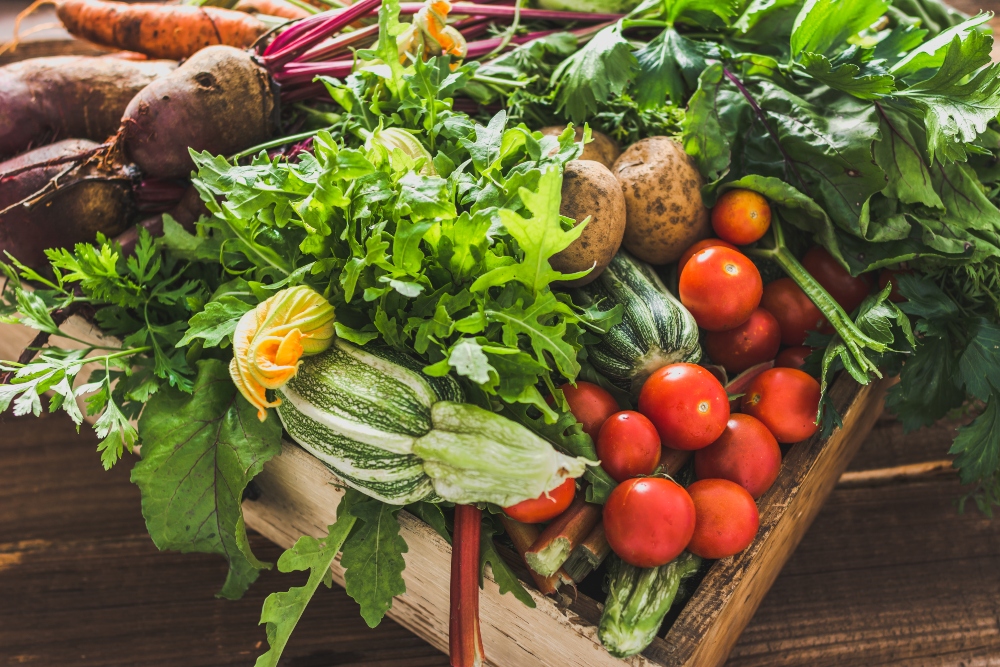
The video also highlights research published in August 2024 that adds another layer to deciding which fruits and vegetables to peel. Scientists found that washing produce does not reliably remove pesticide residues. Using highly sensitive testing methods, they detected chemicals even after washing apples and cucumbers.
The researchers conclude that “the risk of pesticide ingestion from fruits cannot be avoided by simply washing other than peeling,” adding that peeling can “effectively avoid the hazards of pesticides in the fruit’s epidermis and near epidermal pulp.”
Some of the pesticide residues detected have been linked to liver cancer, which is why the video stresses that organic produce is the better option if you can afford it. Organic farming standards significantly reduce pesticide exposure, making it safer to eat fruit peels, where many beneficial compounds are found.
Exceptions worth knowing about
As with most food rules, there are exceptions. Greger points out that eggplant skins are best avoided. Melons are another obvious case. Their rinds are not meant to be eaten, regardless of where they grow.
Still, the broader takeaway remains straightforward. Keep peels on most fruits. Peel most underground vegetables if you prefer. And when possible, choose organic produce to reduce pesticide exposure while getting the nutritional benefits that peels often provide.
Understanding which fruits and vegetables to peel does not require memorizing long lists. As Greger shows, a simple rule based on how plants grow can go a long way.
For more plant-based health and nutrition content, check out Plant Based Science London’s YouTube channel.
Read more: From Side Dish to Superfood: White Potatoes Are Making a Comeback