Community
 Print
Print



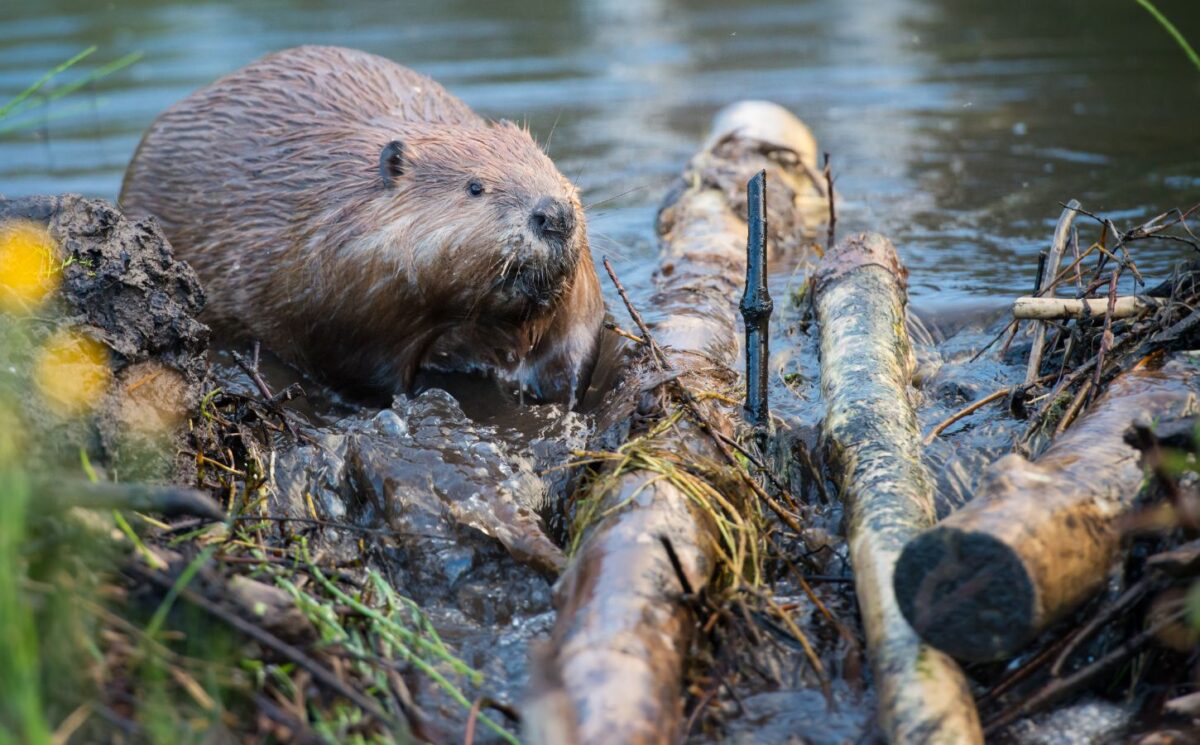
Norfolk has a wild beaver living on its rivers for the first time in more than 500 years.
A wildlife camera spotted the animal moving logs around to build a lodge, which serves as an above-ground burrow. Broken branches, wood chips, and bitten tree stumps were also found nearby, indicating the creature’s movements and range.
Read more: UK Hunts Have Claimed Over £2.4 Million In Taxpayer Money Since Ban
The county of Norfolk is located in the east of England, a part of the UK widely celebrated for its ecologically significant waterways, wetlands, and wildlife habitats.
A wildlife trail camera captured footage of a solitary beaver on the River Wensum at Pensthorpe, a wildlife park near Fakenham, earlier this month.
While there have been multiple beavers released into secure enclosures in the UK, including in Norfolk, this is the first time a free-living beaver has been spotted in the wild. So far, nobody knows where the beaver came from, but their arrival has been celebrated by wildlife enthusiasts nationwide, and particularly those at Pensthorpe.
The discovery is an ‘exciting moment’
“This discovery is an exciting moment for Pensthorpe. The fact that it has chosen our land to establish a territory reflects the ongoing work we have been doing to improve our river and [the] surrounding land for nature,” said Richard Spowage, the Pensthorpe reserve manager.
“Beavers are returning to river systems and wetland landscapes across parts of the UK, and it’s encouraging to see individuals moving through Norfolk too,” he continued. “We’re monitoring the situation carefully, but for now this is fantastic news for nature recovery.”
Beavers are a keystone species, which means that their presence on the land and water benefits the entire ecosystem, including local human residents and farmers. Earlier this year, the UK government made the long-awaited announcement that it would allow beaver releases into the wild in England, following years of wildlife advocacy, debate, and research.
Read more: Proposed Koala National Park In Australia To Be Twice The Size Of UK’s Lake District
Extinction and ‘beaver bombing’
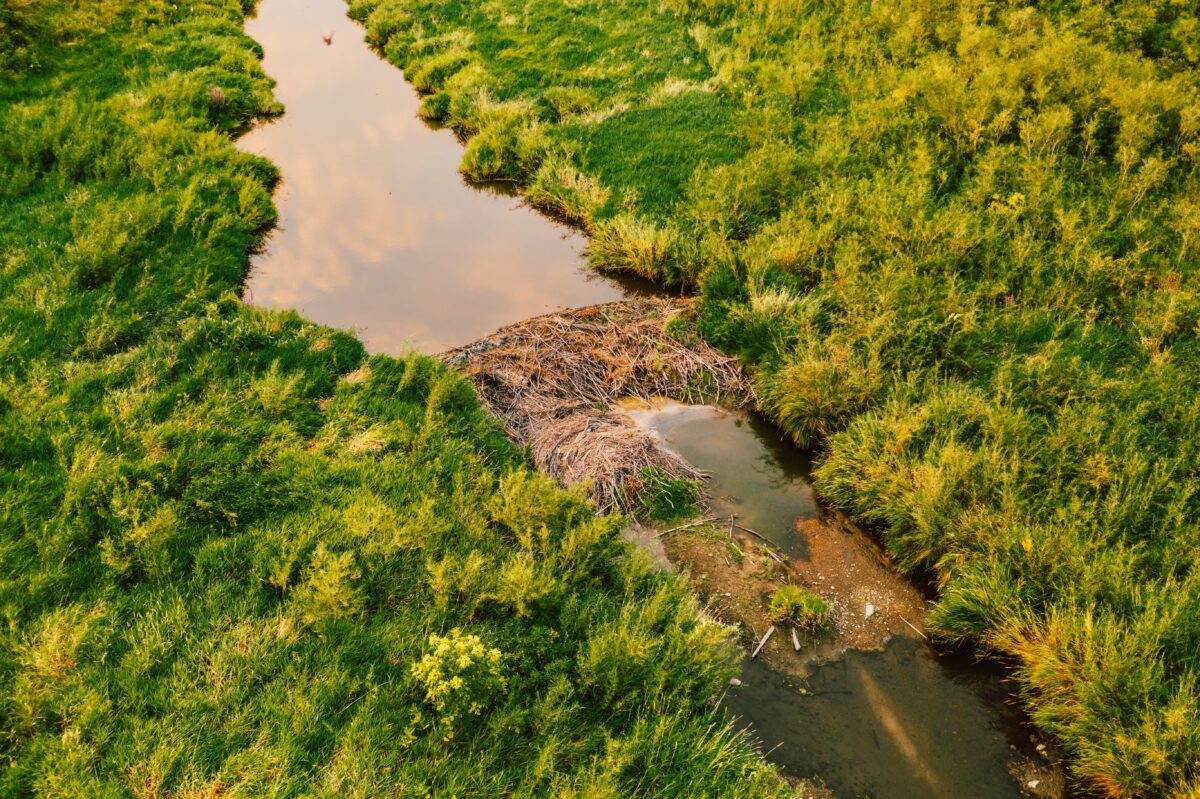
Beavers were hunted to extinction in the early 1500s, but after decades of enclosure releases – and several escapees – there are more than 400 of the large, semi-aquatic, nocturnal rodents living in waterways across eight different areas in the UK.
Another probable factor in Britain’s recovering beaver population is unlicensed rewilding, known as “beaver bombing.” This practice has led to several key beaver populations, including a “thriving” group in the south-west of England.
While the Norfolk beaver could have arrived at Pensthorpe single-handedly, it’s also possible that the animal was originally part of an unsanctioned release.
So far, none of Norfolk’s captive beavers have been reported missing, and Spowage told the Guardian that “It’s unlikely it’s been born wild, or if it was wild, potentially there was some sort of human influence to move it.”
He added, “From our point of view, it’s a wild animal, and it’s got the right to be here.”
Read more: UK Government To Allow Wild Beaver Releases For Nature Recovery