Community
 Print
Print



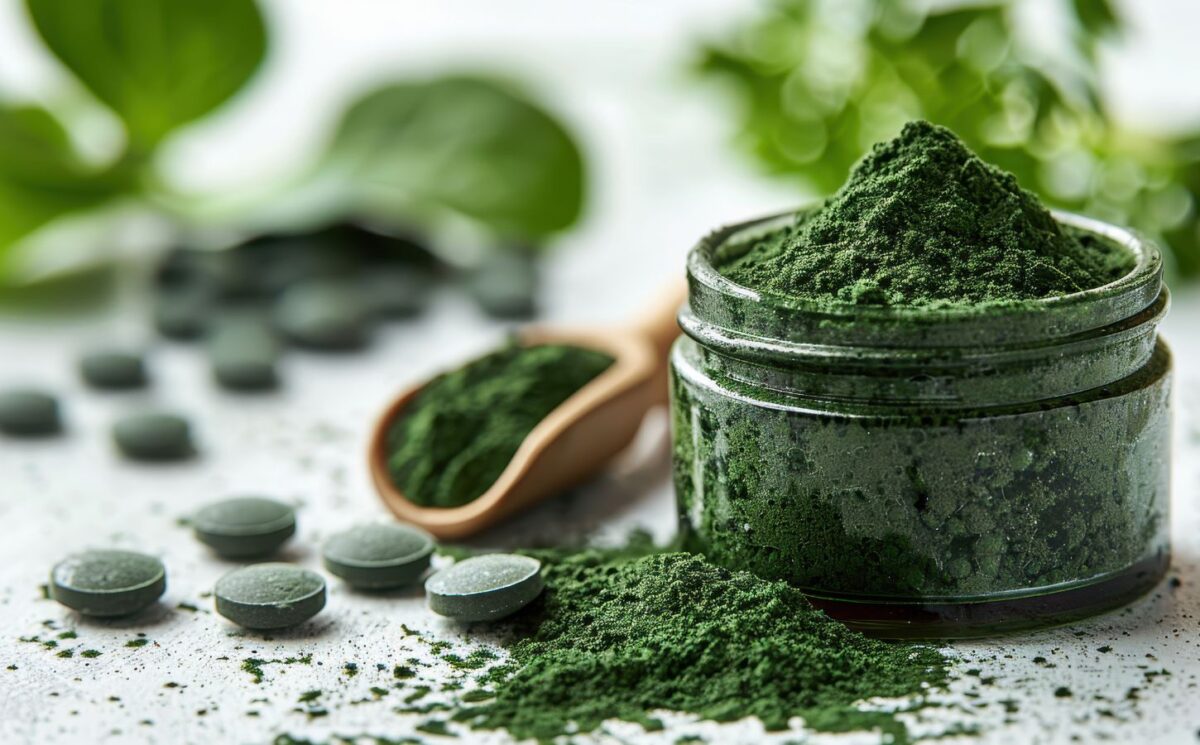
For years, spirulina has been promoted as a nutrient-dense superfood – packed with protein, minerals, and antioxidants. But emerging research raises a serious question: are the very supplements marketed for wellness putting us at risk?
That’s the concern at the center of a recent video from Plant Based Science London, whose mission is to condense plant-based nutrition research into clear, accessible content. In this video, the team revisits research highlighted by Dr. Michael Greger, who warns that spirulina and other blue-green algae may contain harmful toxins. As spirulina dangers continue to spark debate, the video examines what these toxins are, where they come from, and which algae-based products remain safe.
Read more: What Is Spirulina? The Protein-Packed Plant You Should Get To Know
When superfoods come with risks
The video opens with spirulina’s reputation: high in protein, iron, calcium, B vitamins, and antioxidants. But several studies cited in the video show that many blue-green algae species can produce neurotoxins, including one called β-Methylamino-L-alanine (BMAA).
BMAA has been detected in the brains of people with Alzheimer’s and ALS, also known as Lou Gehrig’s disease. According to the video, research shows that BMAA can damage motor nerve cells in the spinal cord. These are the same cells destroyed in ALS. Spirulina samples have also been found to contain hepatotoxins – compounds that can harm the liver.
The central question raised is whether spirulina is inherently toxic or whether it becomes contaminated during harvesting. Because spirulina grows alongside many other algae, it is difficult for producers to guarantee that no toxin-producing species are mixed in.
Some companies now advertise testing and BMAA-free certification, but the video notes that even these assurances may not fully guarantee safety.
Where else these toxins show up: neurotoxins and hepatotoxins explained
The discussion goes deeper into the toxins themselves. BMAA is a neurotoxin created by blue-green algae. Hepatotoxins, meanwhile, can damage liver cells. They are found in various algae species that may contaminate spirulina during processing.
Because these toxins originate within the algae family itself, the contamination risk is built into how spirulina is grown and harvested. This is why the video emphasizes that even high-quality brands cannot completely eliminate the possibility of exposure.
This section also reinforces why spirulina dangers are still a concern in the supplement world. You are not just consuming spirulina – you may be consuming whatever else is growing next to it.
What about algae omega-3 supplements? Dr. Greger responds
Many vegans rely on algae-based DHA supplements. The video acknowledges this concern directly by including a clip from Dr. Greger’s 2017 Q&A, where he addresses whether these omega-3 capsules contain BMAA.
Dr. Greger explains: “Yes, BMAA is made by blue-green algae, so that’s why it would be ideal to stay away from blue-green algae supplements, to stay away from seafood. Stay away from spirulina, which can be contaminated with blue-green algae. But chlorella is ok because it’s a green algae, not a blue-green algae, and the DHA is from golden algae, completely different, and so you don’t have to worry about BMAA.”
This clarification matters: omega-3 supplements come from golden algae. This is an entirely different group from blue-green algae. That means DHA supplements do not pose the same spirulina dangers discussed earlier.
Is chlorella safer?
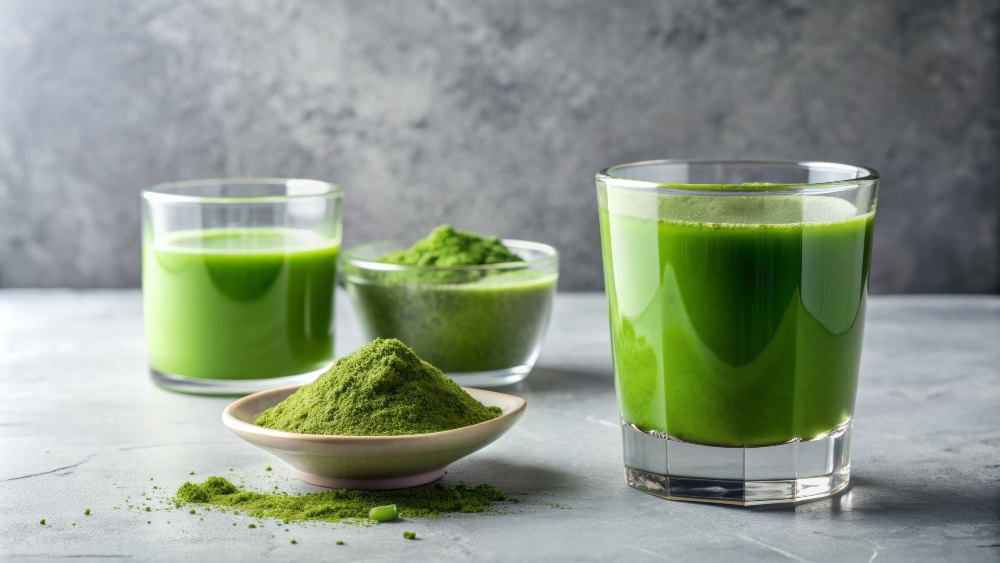
The video ends by distinguishing spirulina from chlorella. Spirulina is a blue-green algae, while chlorella is a green algae. This means it does not produce BMAA and doesn’t face the same contamination risks. This difference is crucial for anyone worried about spirulina dangers.
To set up Dr. Greger’s explanation, the narrator asks: “Are algae omega-3 supplements free from BMAA?” This question highlights a concern many viewers have. If spirulina carries risks, what about other algae-based products?
Dr. Greger then clarifies that algae-derived DHA comes from golden algae, not blue-green algae. This means that chlorella is safe because it belongs to a different algae family.
For those seeking nutrient-dense algae without the contamination concerns, chlorella and algae-DHA supplements remain the safest choices.
For more plant-based health and nutrition content check out Plant Based Science London’s YouTube channel.
Read more: New Cultivated Spirulina Has Comparable B12 To Beef