Community
 Print
Print



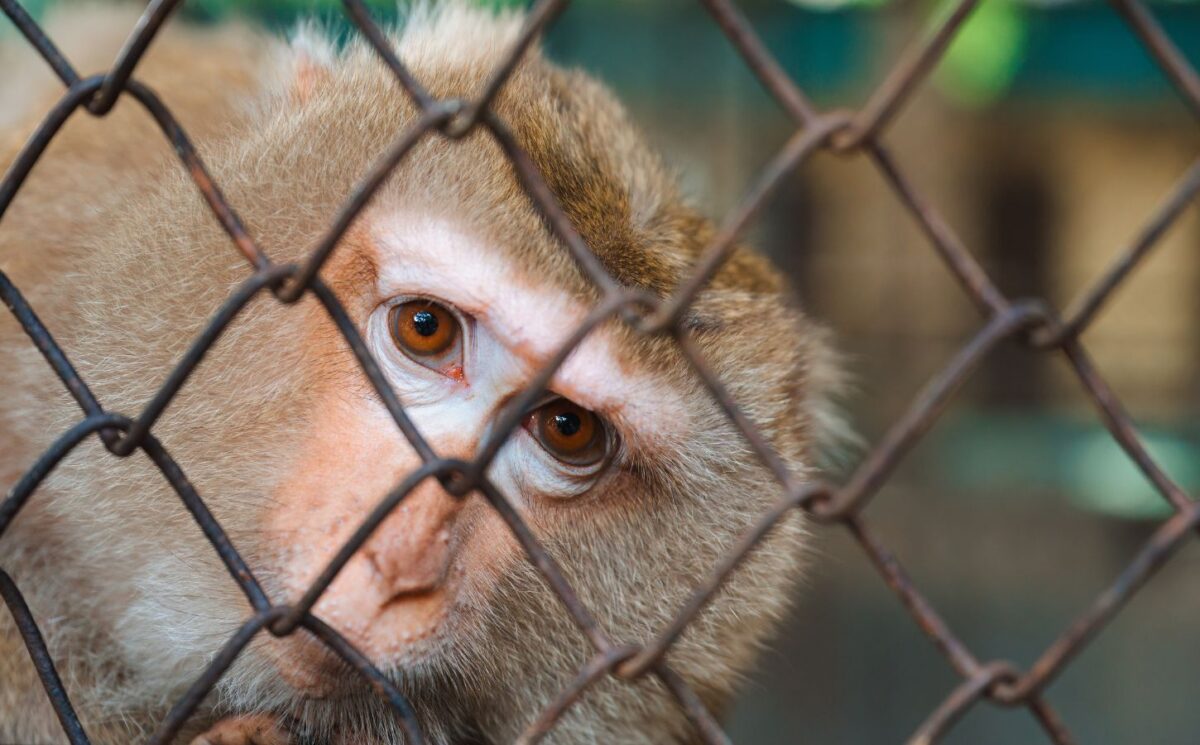
Oregon’s controversial primate research center is preparing to transition away from animal experiments and towards human-based research.
The decision reflects changing attitudes towards animal testing within the scientific community, the federal government, and society at large.
Read more: Adfree Cities Calls For A Ban On Factory Farming Advertisements
At the end of July, the Oregon Health & Sciences University (OHSU) Board of Directors passed a resolution to begin reducing primate breeding and experiments at the OHSU-run Oregon National Primate Research Center (ONPRC) in Beaverton.
The Physicians Committee for Responsible Medicine (PCRM) welcomed the move in a blog post. As noted by PCRM, ONPRC has been linked to multiple animal welfare violations, including the avoidable death of a rhesus macaque earlier this year.
PCRM has led a “sustained campaign” to end primate experimentation at ONPRC, including public education, providing legislative testimony and comments to the OHSU board, legislative testimony, and engagement with federal agencies.
According to PCRM, 25,000 Oregonians have contacted the governor and state lawmakers to urge the facility’s closure. Mikalah Singer, science policy specialist at PCRM, said, “This resolution to transition the center into a leader in nonanimal research is a significant step in the right direction. We urge OHSU to set clear, measurable milestones to completely phase out primate experimentation.”
Read more: This Scientist Just Created A ‘Virtual Mouse’ To Replace Animal Testing
Cruelty-free alternatives to animal testing
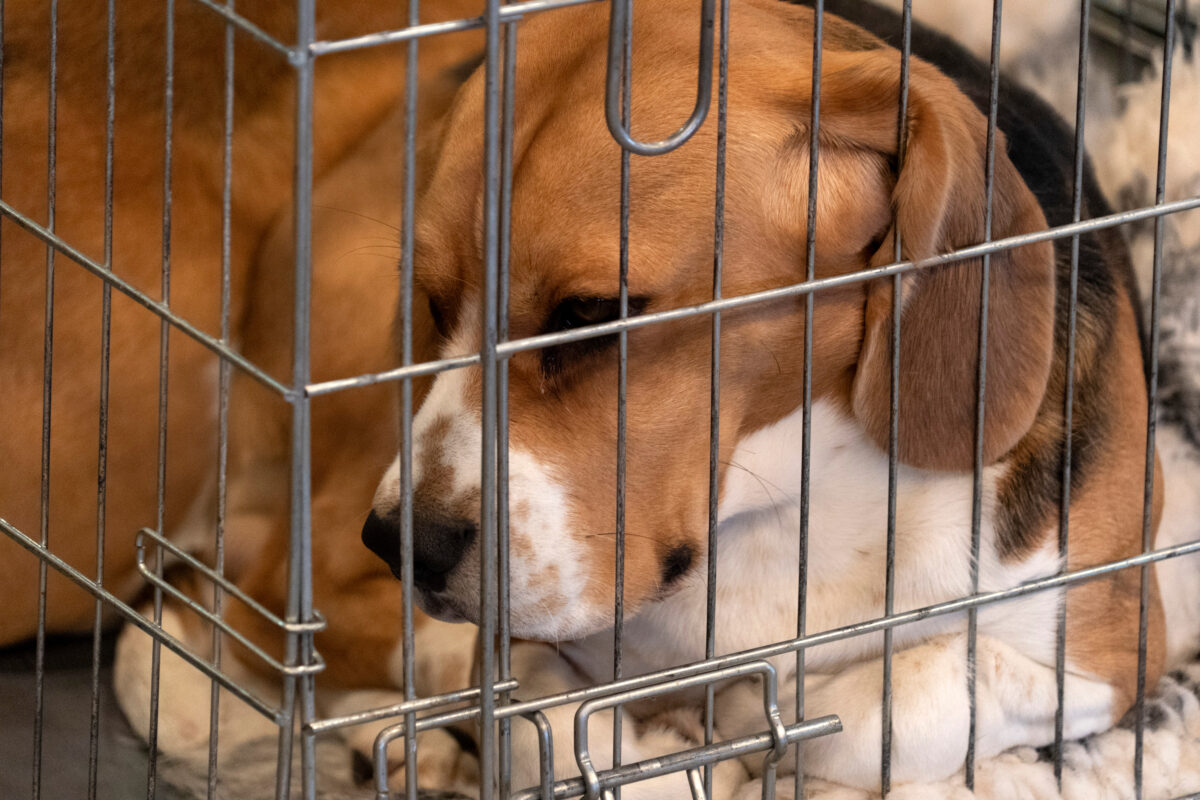
Human-based methods, along with a growing number of viable alternatives to animal testing, are increasingly recognized as more ethical, affordable, effective, and safe.
Federal agencies such as the NIH, Food and Drug Administration, Environmental Protection Agency, and Centers for Disease Control and Prevention have announced plans to swap animal experiments for human clinical trials and animal-free methods.
Earlier this year, a research scientist created an AI-powered “virtual mouse” for use in the emerging field of nanoscience. Other cruelty-free alternatives to animal testing include 3D bioprinted tissues, organ-on-a-chip systems, and advanced computation.
PBN runs a sponsored content model. To explore how you can get featured, please email [email protected] or visit everkinddigital.com