Community
 Print
Print



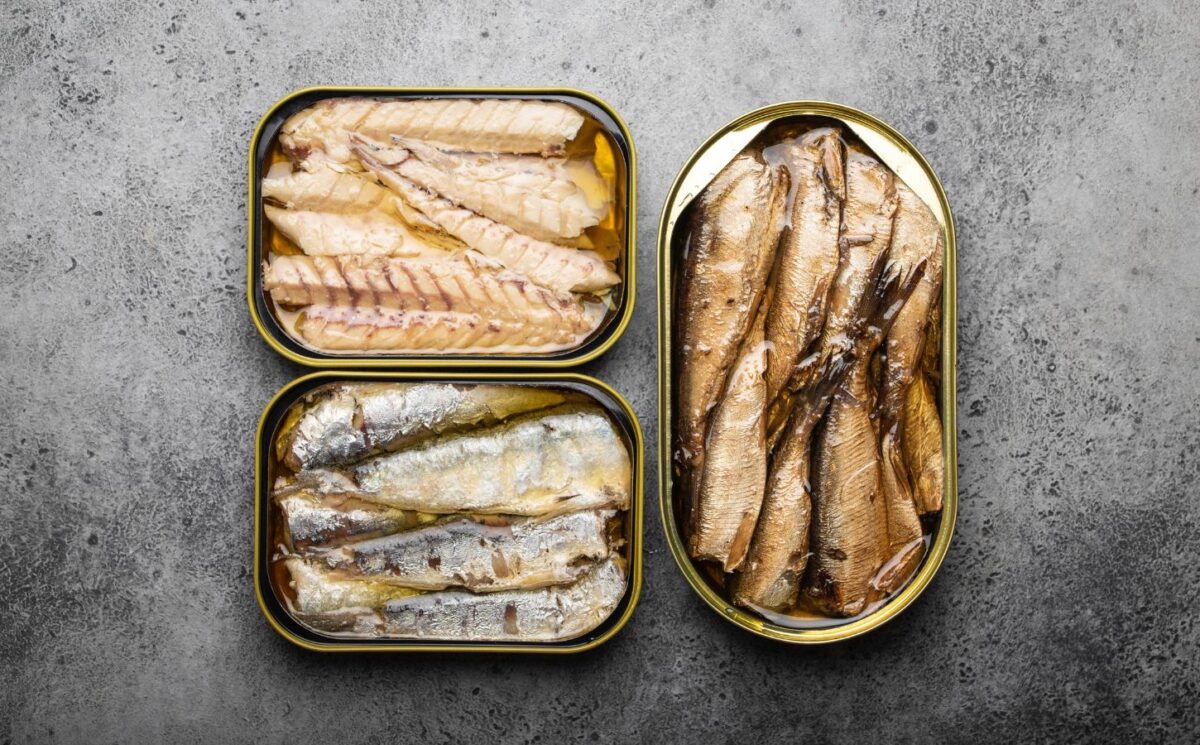
Tinned fish sold in the UK as “mackerel” may not actually contain any true mackerel.
Princes, which supplies many of the UK’s biggest supermarket chains, has substituted true mackerel for Chilean jack mackerel. Lidl and Waitrose are also making the same switch with their respective private label products.
Read more: Bristol City Council Bans High-Carbon Ads, Including Flights And Fast Fashion
Despite its similar-sounding name, Chilean jack mackerel contains about half as much omega-3 and a third as much vitamin B12 as traditional mackerel, per the BBC.
As reported by the Independent, Jack mackerel also has 100 fewer calories per 100g, and some customers have complained about larger bones and a metallic smell.
Sue Davies, head of food policy at Which?, said, “It’s a real concern when manufacturers quietly downgrade everyday staples like these as shoppers can end up paying the same price for a product that delivers significantly less nutritional quality.”
Davies described the move as an example of “skimpflation,” meaning “quietly changing ingredients to cut costs.” However, she also cited the “genuine supply chain pressures and sustainability challenges” that the industry is currently facing.
Mackerel stocks have fallen by 72 percent since 2016. The International Council for the Exploration of the Sea (ICES) has called for a 70 percent cut to the quantity of north-east Atlantic mackerel caught this year to give the species room to recover.
On average, quotas have been set 39 percent higher than optimal since at least 2010. Last year, the Marine Conservation Society said that the Atlantic mackerel population was nearing “breaking point,” and called for people to choose other options.
Read more: Vegan Actor James Cromwell Says ‘Don’t Buy Cage-Free Eggs’
Depleted stocks and bycatch deaths
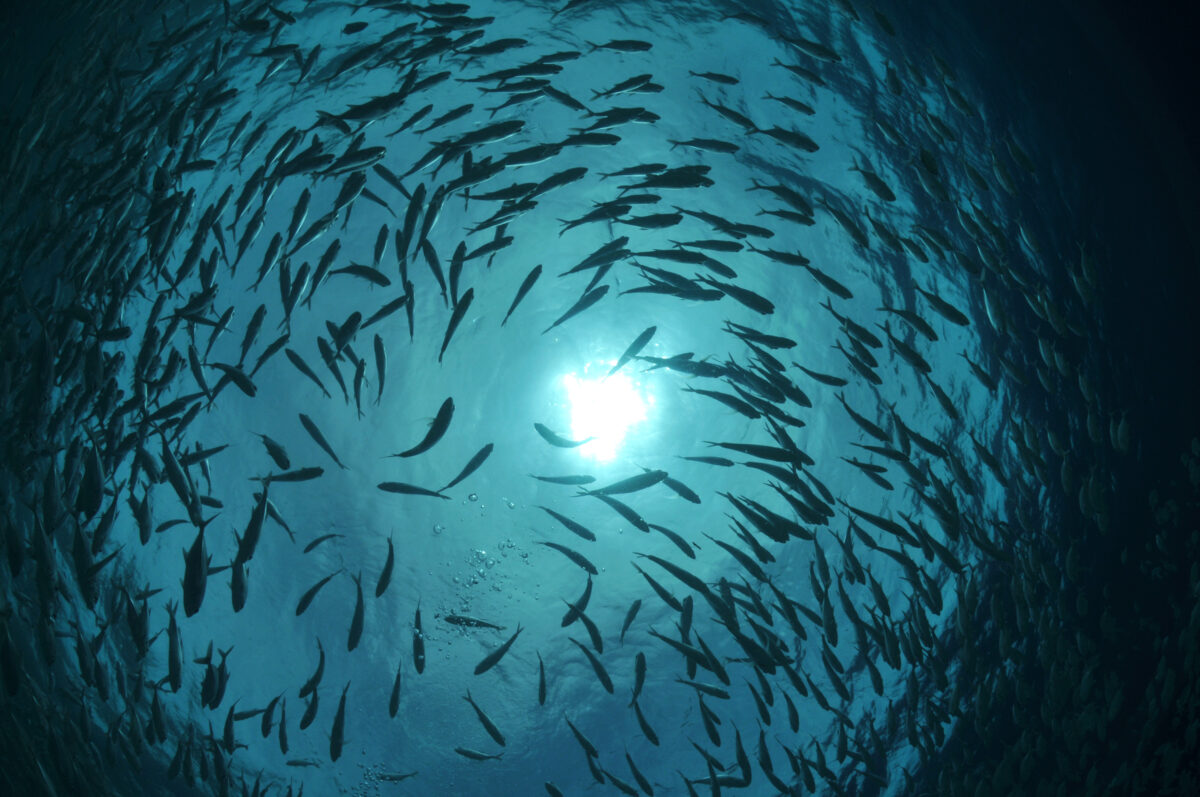
The average person eats almost twice as much fish as they did sixty years ago, and global seafood production has quadrupled. According to The World Bank, almost 90 percent of global marine fish stocks are now either overfished or “fully exploited.”
In addition to the depleted species that people want to catch and eat, there are also countless additional deaths caused by the industry. In the UK alone, known bycatch “victims” – tens of thousands of animals across multiple species, including rare birds, sharks, and endangered humpback whales – are killed each year by accident.
PBN runs a sponsored content model. To explore how you can get featured, please email [email protected] or visit everkinddigital.com