Community
 Print
Print



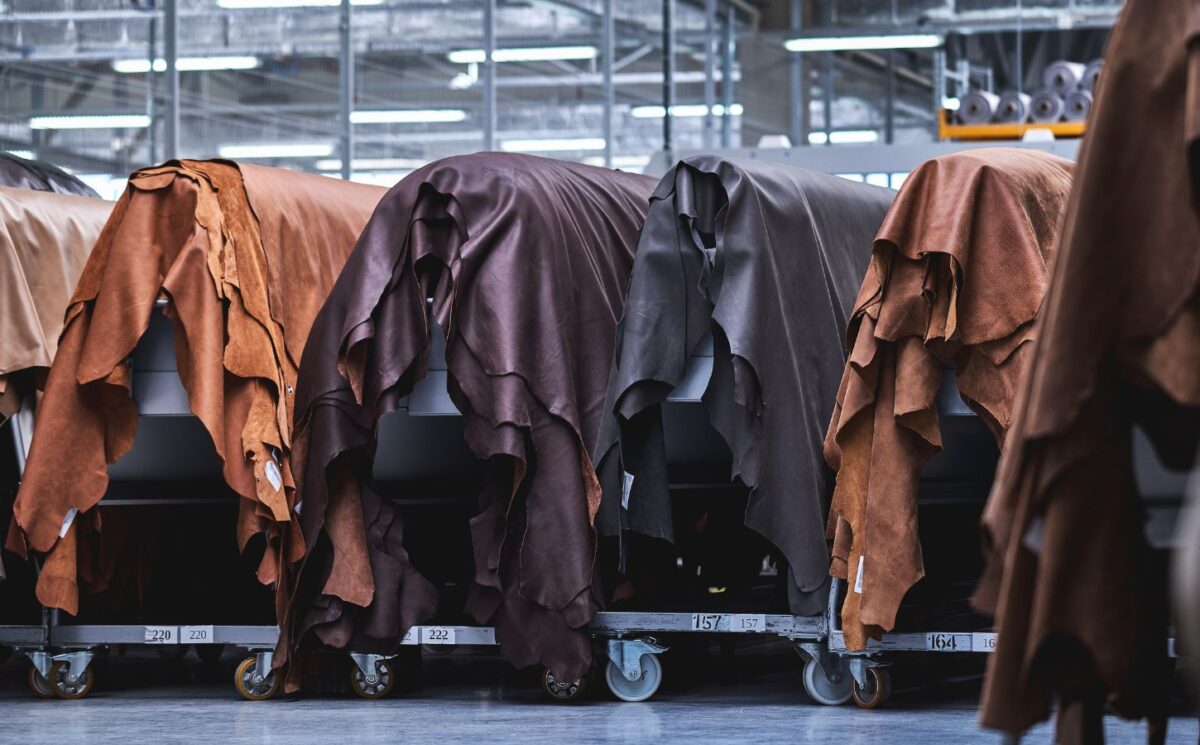
Animal leather produces over 1,100 percent more emissions than vegan leather, including mass-produced polyurethane alternatives, according to a new study.
The findings indicate that animal leather production is far worse for the environment than previously thought, and that hides should not be considered mere byproducts.
Read more: Chilgok County Is Upcycling Melon Waste Into Korea’s First Vegan Leather
ACS Sustainable Chemistry & Engineering published the study at the start of July. It is a meta-analysis that uses data from the UN’s Food and Agriculture Organization (FAO), and is authored by researchers at Cornell University’s Department of Fiber Science and Apparel Design and NYU’s Department of Environmental Studies.
The researchers found that cow leather’s carbon footprint is approximately 70 percent larger than previous estimates indicated, and that it emits more than 12 times as much as vegan leathers. They also found that “leather tanning alone is, on average, more carbon-intensive and waste generating” than synthetic alternatives.
One of the biggest problems with leather is that it is not really a byproduct. The global leather market is huge, and could be worth around USD $405.28 billion by the end of the decade. In the new study, the researchers found that bovine hides make up roughly 8.1 percent of the total value of a cow at the time of slaughter.
As reported by Vox, Mikaila Roncevich, a graduate student at Cornell and the study’s lead author, said, “If [leather’s] footprint is shocking or seems high to people, I think it should be a push to keep reflecting on the impact of raising animals for products.”
Read more: India’s Dairy Industry Built On ‘Reproduction, Extraction, And Disposal,’ Finds Report
Cattle farming and sustainable leather alternatives
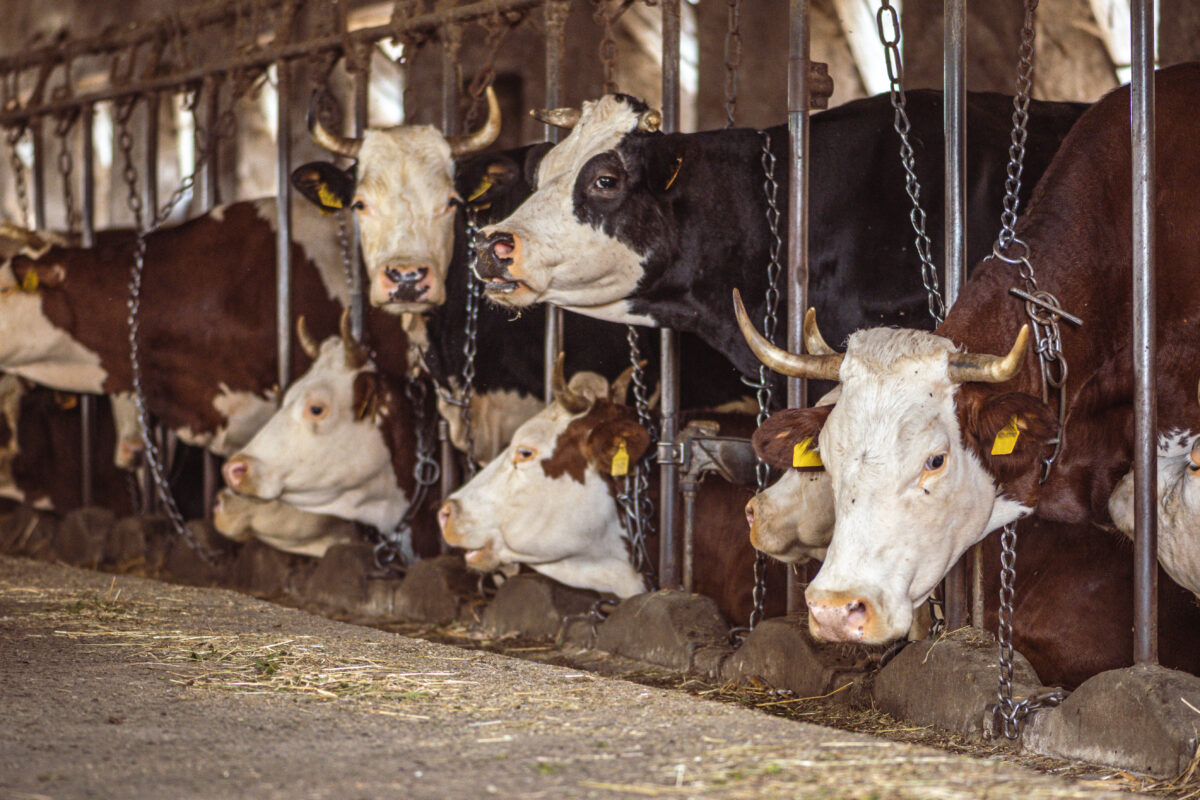
A paper from 2025 argued that animal agriculture, not fossil fuels, is actually the main cause of the climate crisis, and when it comes to animal agriculture, no food production has a higher toll on the planet than farming cows for beef and dairy.
Cattle farming is the number one source of greenhouse gas emissions (GHGs) worldwide, but it also contributes to deforestation, biodiversity loss, pollution, soil degradation, human rights abuses, animal cruelty, and dwindling natural resources.
Simultaneously, a growing number of companies are innovating by making sustainable, plastic-free leather alternatives from natural materials like mycelium and fruit leather. In South Korea, Chilgok County has partnered with vegan fashion brand HLK to turn upcycled melon waste into cruelty-free fashion accessories.
PBN runs a sponsored content model. To explore how you can get featured, please email [email protected] or visit everkinddigital.com