Community
 Print
Print



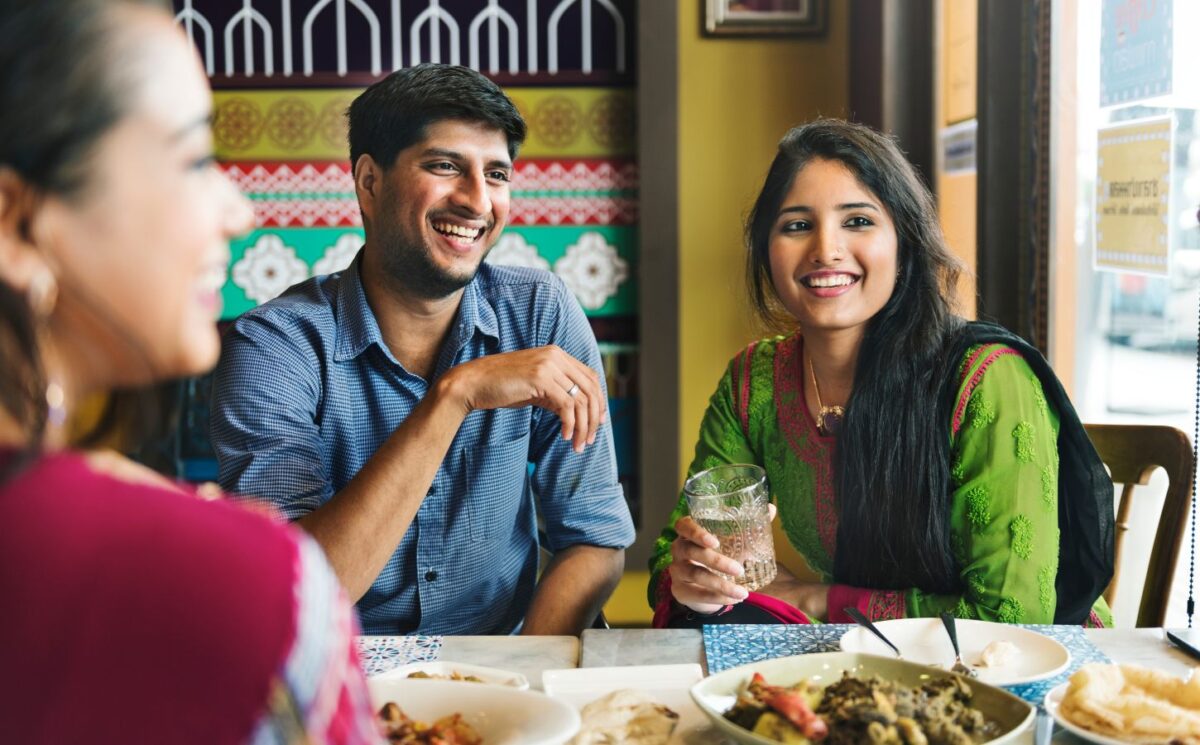
New research has found that nearly 60 percent of young Indians are already “meat-reducers,” while 50 percent of non-reducers are open to the idea of veganism.
The research also found that the main barrier preventing wider uptake of plant-based diets amongst Gen Z Indians is a lack of information. The findings could be used to encourage young people living in India to make plant-based food decisions.
Read more: AI Can Help Create A Better Plant-Based Burger, Finds Study
Faunalytics, a nonprofit research and analysis organization, surveyed 801 Indian adults born between 1997 and 2012 to write the report, “The Multi-Generational Kitchen: How To Market Plant-Based Eating To Indian Gen Z Households.”
According to the survey, 58 percent of Gen Z people who live at home with their parents in India identified as some type of meat-reducer, including vegans, vegetarians, pescetarians, and “reducetarians.”
Only 42 percent of those surveyed self-identified as omnivores, and 50 percent of that group said that they were “likely,” “very likely,” or “extremely likely” to go vegan in the next year. Fifty-two percent believed that their parents were likely to do the same.
Fifty-nine percent of respondents listed a need for more information about plant-based diets as the biggest barrier, while 37 percent worried about their family perceiving a vegan diet as a break from Indian cultural norms for a “Western” lifestyle.
Common barriers and the division of household responsibility
Other common barriers included:
Viewing dairy as a core part of one’s cultural identity (54 percent); needing to go food shopping more often (53 percent); personal health concerns, excluding worries about iron or protein intake (52 percent); and believing that there would not be enough choices available when dining out (52 percent).
Most people said that their mothers were primarily responsible for cooking (57 percent) and meal-planning (39 percent), even when the respondents themselves were responsible for grocery shopping (40 percent).
However, 59 percent said that it was easy to discuss diet with their family, and just 26 percent reported frequent disagreements over food and household matters.
Read more: India’s Dairy Industry Built On ‘Reproduction, Extraction, And Disposal,’ Finds Report
Game-changers: the Gen Z Indians most likely to go vegan
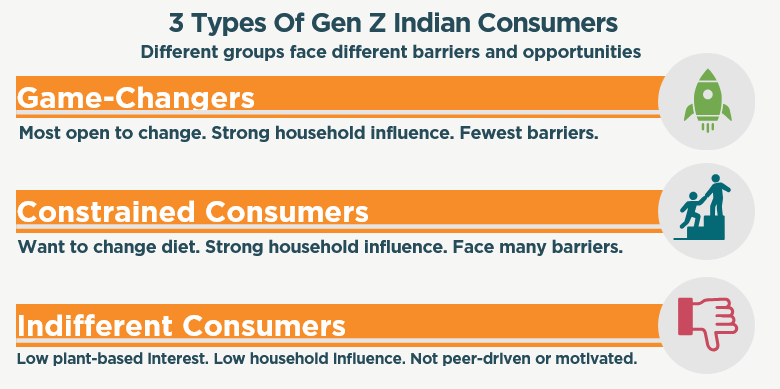
According to Faunalytics, it identified “three distinct groups” within the survey’s respondents, including indifferent consumers, who were those with the least control over household decisions, the least motivation, and who were the least likely to go vegan, constrained consumers, who faced the most barriers to adopting a plant-based diet despite being motivated to do so, and “game-changers,” who were the most likely to go vegan and faced the fewest barriers.
Faunalytics noted that equipping game-changers with practical tools to change their diet could be “especially high-impact given their existing motivation.”
PBN runs a sponsored content model. To explore how you can get featured, please email [email protected] or visit everkinddigital.com